 Flyaford
Flyaford
Flyaford
High-voltage resistance, thermal stability, and mechanical strength engineered for modern power infrastructure.
The global power distribution ecosystem is undergoing a dramatic structural transition. As decarbonization mandates intensify, municipal power grids, commercial energy storage systems (BESS), and electric vehicle (EV) charging networks require insulation components that far exceed traditional porcelain and glass performance profiles. Modern low-to-medium voltage systems demand materials offering uncompromising dielectric strength, superior creepage distance, flame retardancy (UL94-V0 compliance), dynamic mechanical shock resistance, and zero toxicity under thermal stress.
As an industry-leading ODM/OEM enterprise, Zhejiang Flyaford Electron Co., Ltd. stands at the forefront of polymer material synthesis, structural hardware design, and automated precision molding. By replacing heavy, fragile ceramic insulators with advanced bulk molding compounds (BMC), epoxy molding compounds (EMC), and phenolic resin formulations (PF), Flyaford delivers low-to-medium voltage standoff insulators that decrease systemic weight, eliminate moisture absorption risk, and extend operational lifecycle to over 25 years.

Zhejiang Flyaford Electron Co., Ltd. integrates advanced R&D, automated thermosetting molding, and zero-defect quality control.
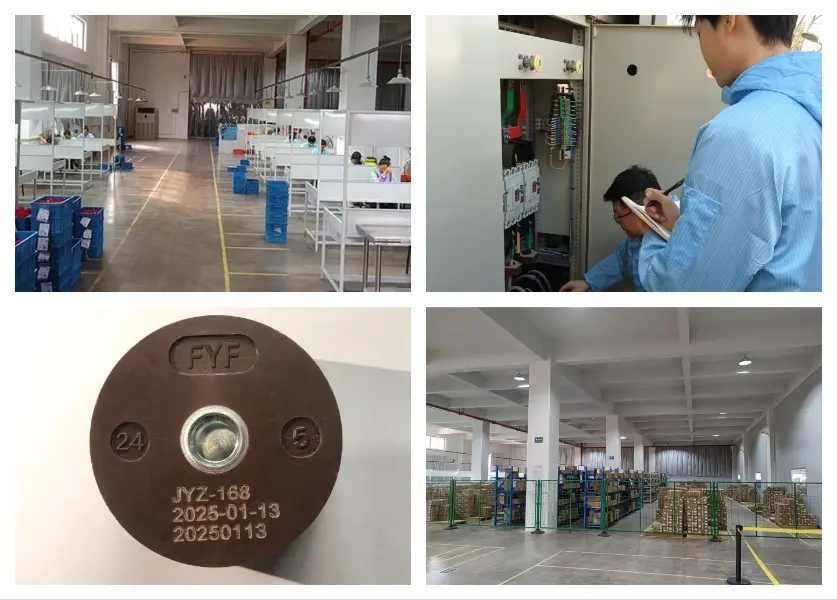
Situated in the Jinyi New District of Jinhua City, Zhejiang Province, Zhejiang Flyaford Electron Co., Ltd. (established in 2007) operates a state-of-the-art 35,000 square meter manufacturing complex. Equipped with over 60 high-precision thermosetting compression molding units and more than 20 advanced analytical testing instruments, our workforce of over 120 skilled personnel ensures rigorous compliance with zero-defect standards, sustaining a field defect rate lower than 100 PPM.
Recognized as a "National High-Tech Enterprise", "Zhejiang Provincial Specialized, Refined, Distinctive, and Innovative SME", and host to the "Jinhua Feifaf High-Performance Insulator Science and Technology R&D Center", Flyaford maintains academic research partnerships with prominent domestic universities, including Tsinghua University—serving as their designated specialized insulator supplier.
An in-depth engineering comparison highlighting why global OEMs are shifting to BMC/EMC standoff insulators for critical busbar supports.
| Performance Metric | Thermosetting Composite (BMC / EMC) | Phenolic Resin (PF Compound) | Legacy Porcelain / Ceramic | Traditional Toughened Glass |
|---|---|---|---|---|
| Dielectric Strength (kV/mm) | 18 - 25 kV/mm | 12 - 16 kV/mm | 10 - 15 kV/mm | 12 - 18 kV/mm |
| Tensile & Flexural Strength | Very High (Reinforced Fiberglass Matrix) | High (Brittle under sudden shock) | Low Flexural / Moderate Tensile | Moderate Flexural / High Tensile |
| Mechanical Impact Resistance | Superior (Non-shattering, high toughness) | Moderate | Extremely Fragile (Cracks easily) | Prone to shatter explosions |
| Flammability & Heat Rating | UL94-V0 Self-Extinguishing | UL94-V0 High Temperature | Non-flammable | Non-flammable |
| Weight & Installation Density | Lightweight (50% lighter than porcelain) | Lightweight | Extremely Heavy | Heavy |
| Dimensional Tolerances | Ultra-Tight (±0.05mm via Precision Molds) | Tight (±0.1mm) | Poor (±1.5mm due to kiln shrinkage) | Moderate (±0.8mm) |
| Threaded Insert Pull-Out Force | High Torsion Brass/Steel Inserts Insert-Molded | Medium Torsion Inserts | Glued/Cemented (Prone to loosening) | Cemented Inserts |
Our low-to-medium voltage polymer standoff insulators are deployed across harsh operational environments worldwide.
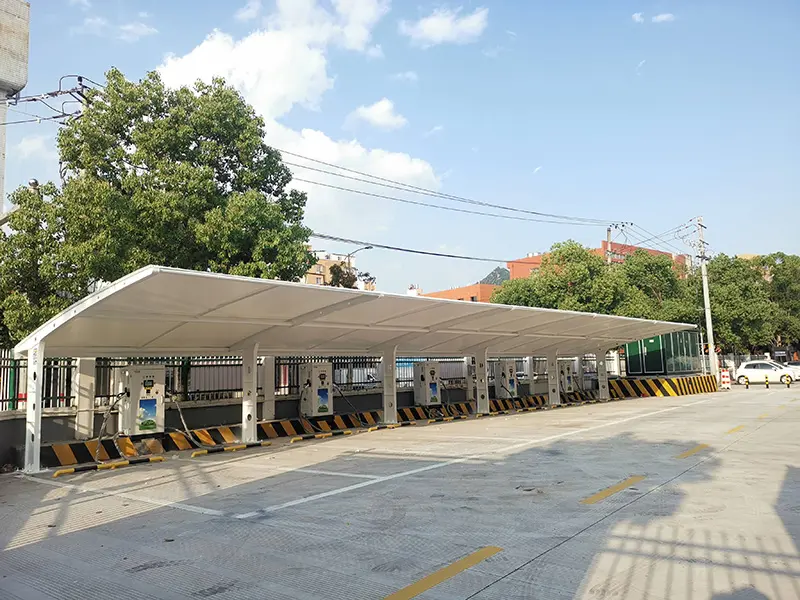
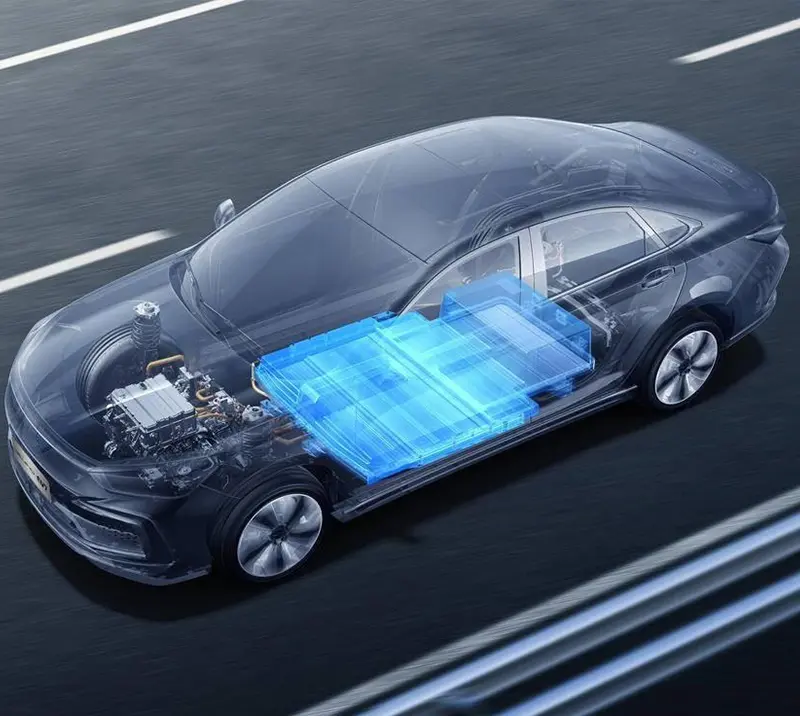
Containerized utility battery storage and EV battery enclosures require compact insulator supports with exceptional anti-tracking properties (CTI ≥ 600V) to protect against short circuits caused by moisture condensation and high current discharge loops.
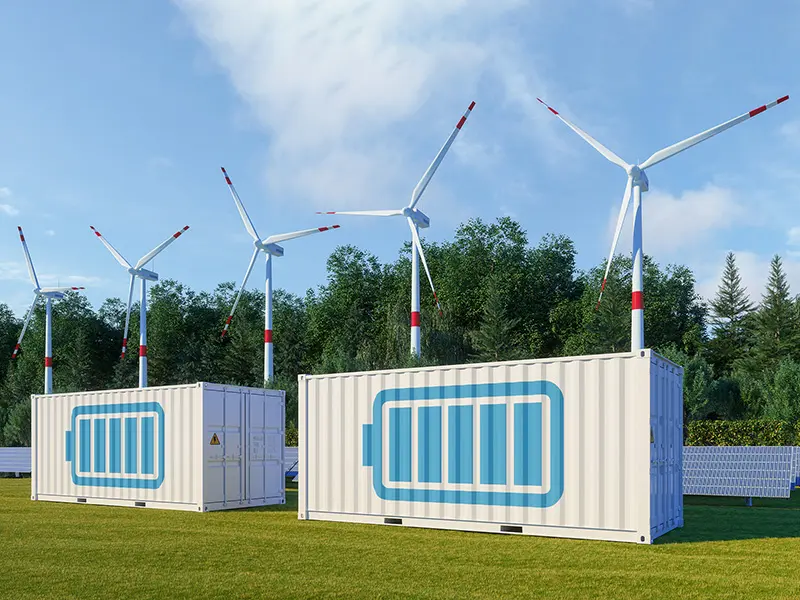
Offshore wind generators and desert solar microgrids demand UV-stabilized, salt-spray-resistant polymer busbar supports that withstand vibration frequencies without mechanical fatigue or structural micro-fracturing.

Engineered for heavy-duty electric commercial vehicles, high-voltage junction boxes, and ultra-fast DC charging piles. Complies with stringent automotive IATF 16949 production standards.
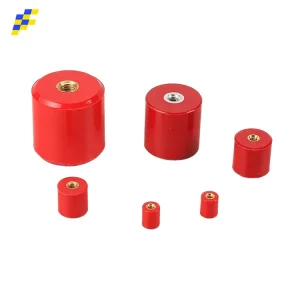
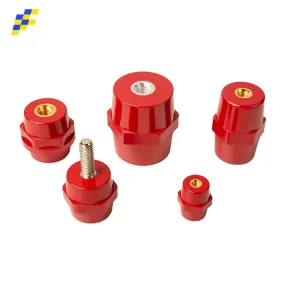
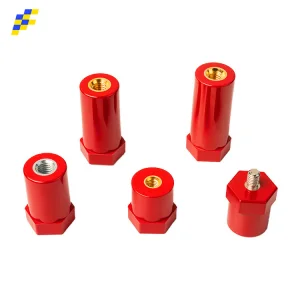
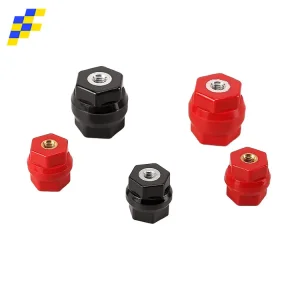
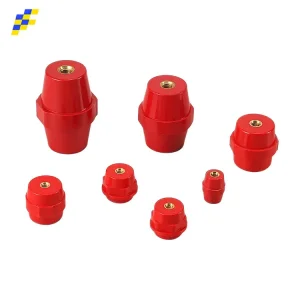
Standardized standoff insulators (D Series, SM Series, MNS Series, SB Series) designed for power distribution switchboards, power factor correction panels, and motor control centers (MCC).

VFD control cabinets require high dielectric breakdown resistance to withstand transient voltage spikes, harmonic distortion, and thermal dissipation generated by high-frequency power electronics.

Compact standoff insulators for high-density power supply units inside outdoor 5G telecom micro-cabinets and industrial robotic power lines, ensuring zero electrical leakage under extreme ambient weather.
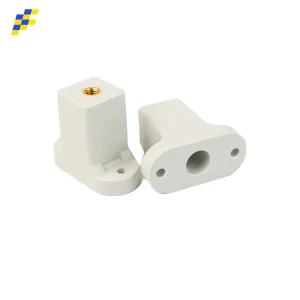
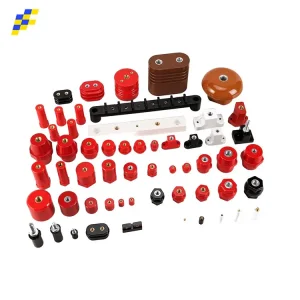
Complete product catalogs covering D-Series, EL-Series, MNS-Series, P-Type, SB-Series, SM-Series, SEP-Series, and T-Series busbar standoff insulators.
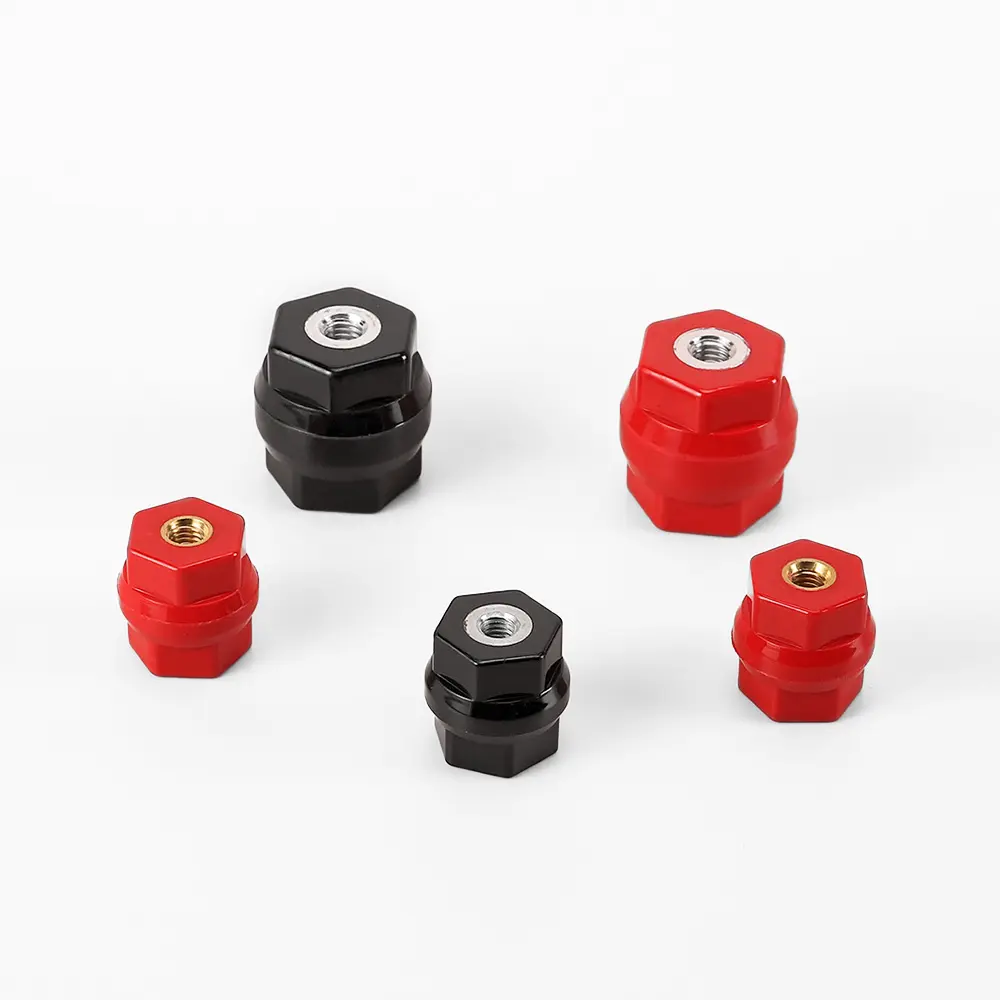
Low/Medium Voltage Busbar Support
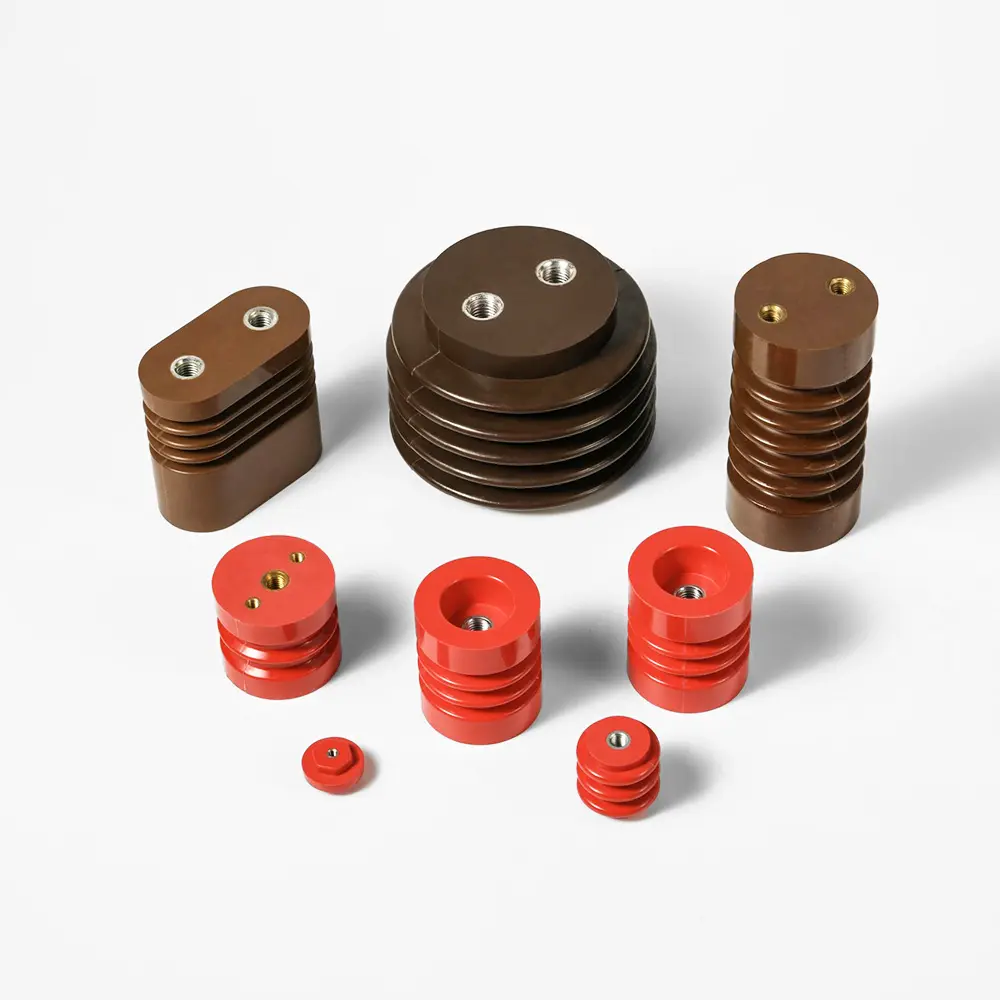
High Dielectric Strength Composite

Modular Switchgear Application
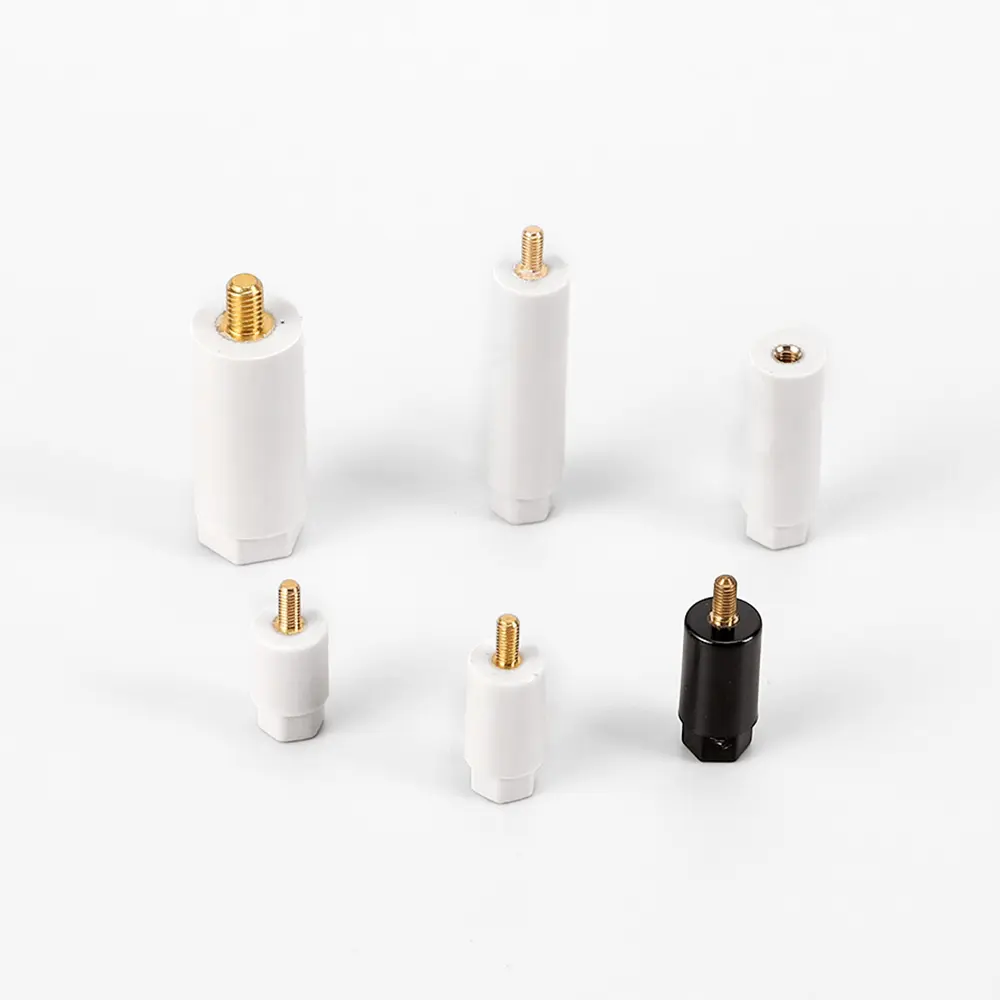
Precision Molded Insert Design
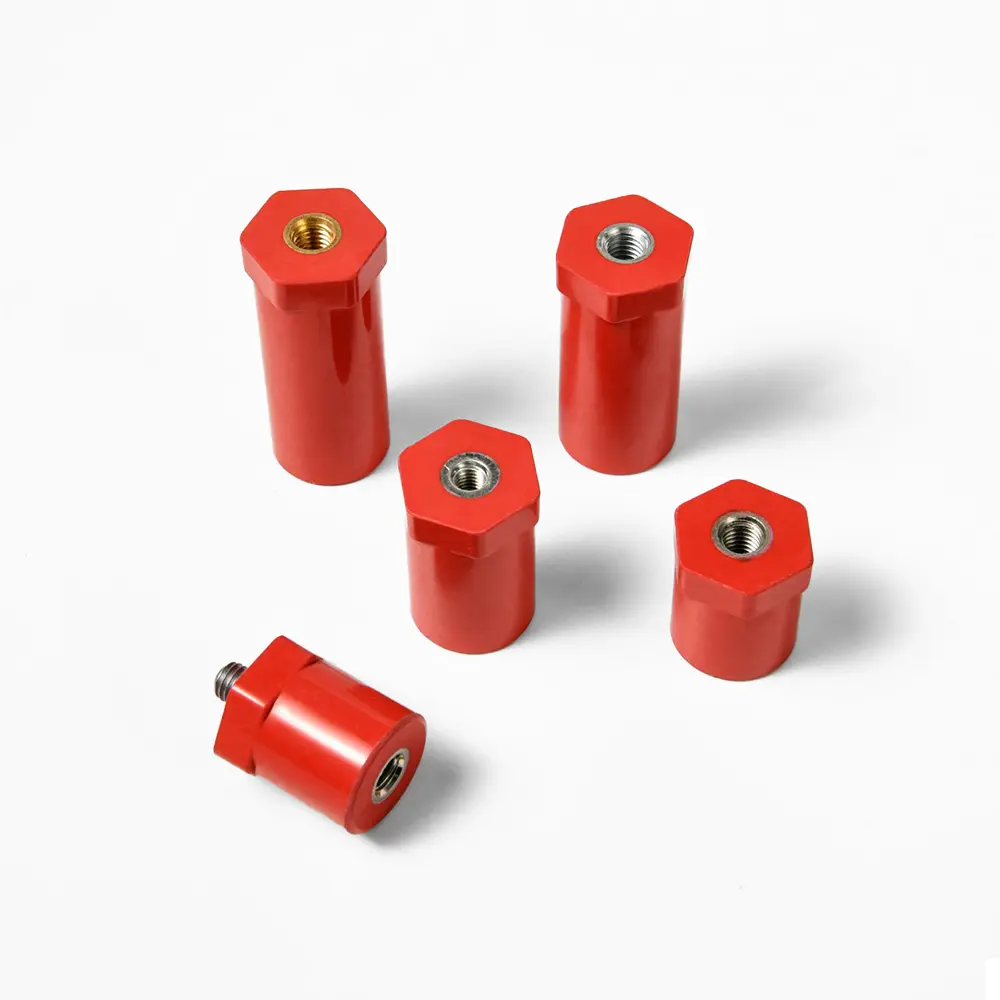
Heavy-Duty Busbar Clamping
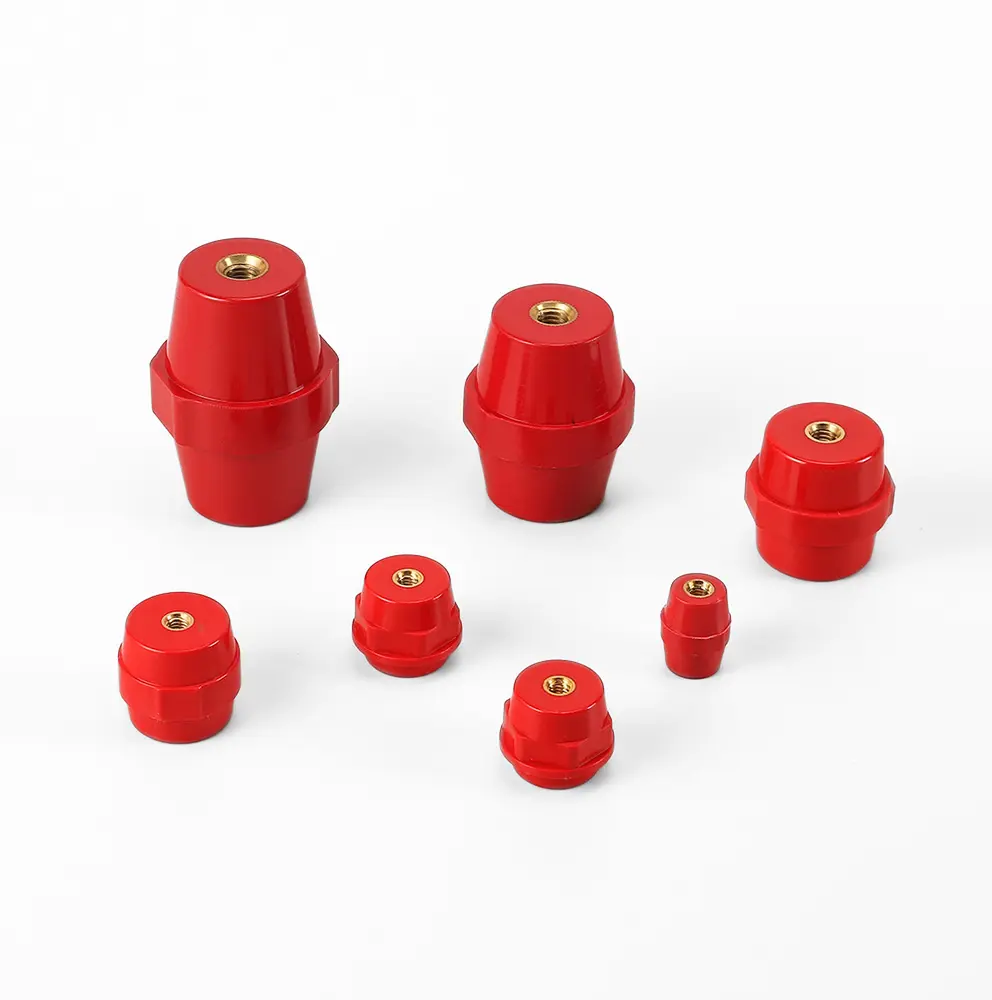
Standard Metric Thread Standoff
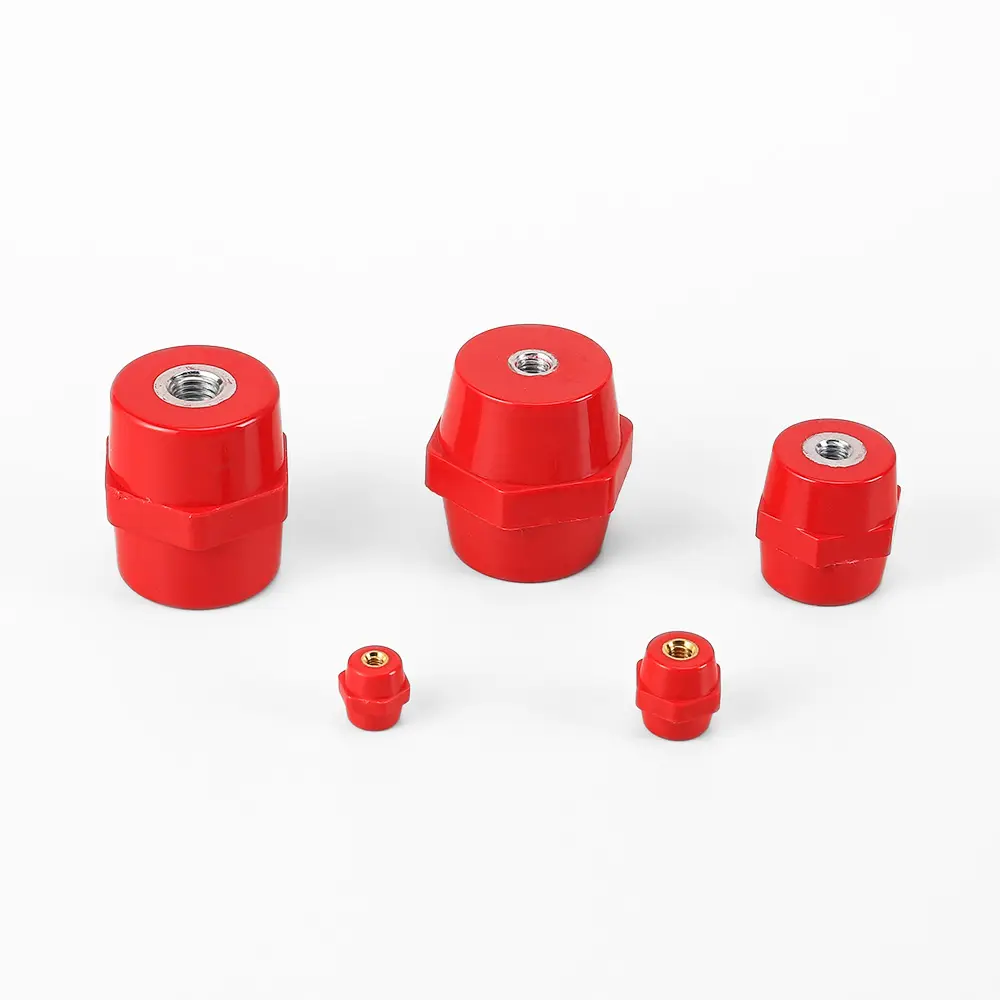
CE Certified Marine & Power Grid

T-Type Standoff for EV & BESS
Every batch undergoes 100% full electrical performance inspection and dynamic mechanical testing prior to global dispatch.
Our manufacturing facilities operate in strict alignment with international quality management benchmarks. We have earned certification for:
Flyaford has invested heavily in creating an advanced testing laboratory to validate raw thermosetting resins, metallic insert cohesion, and final insulator structural integrity:
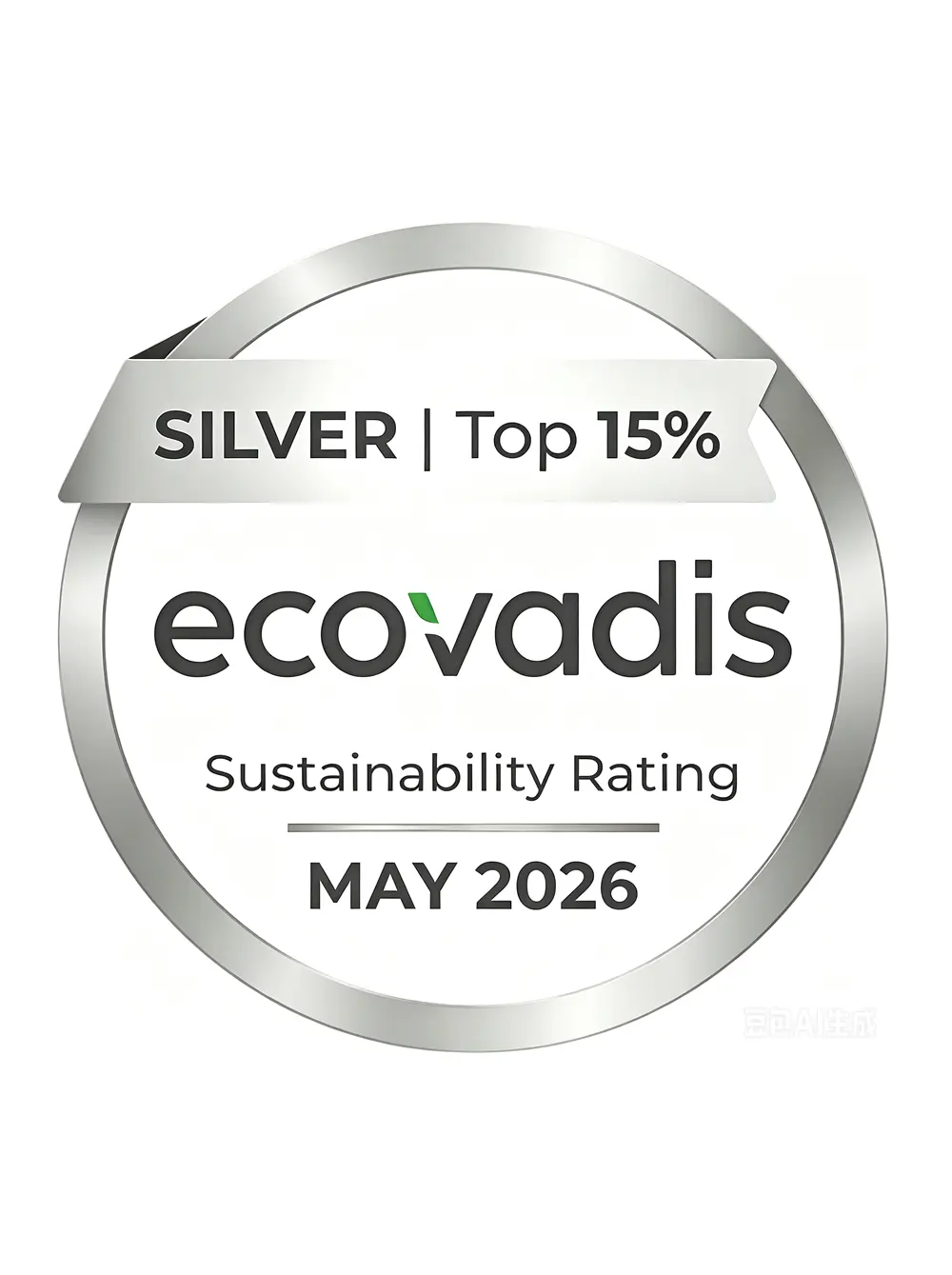
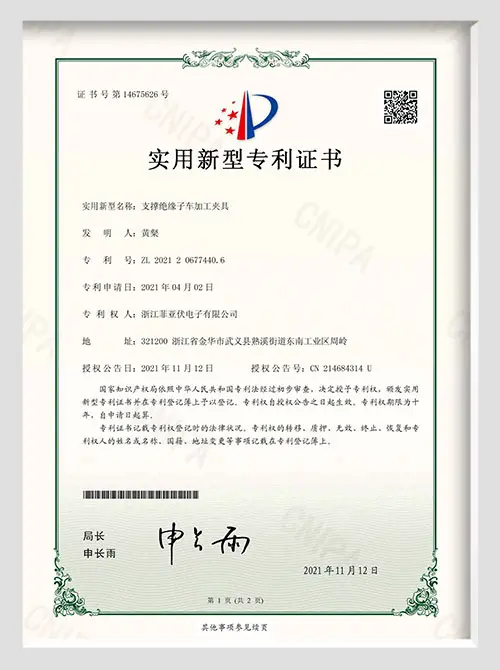

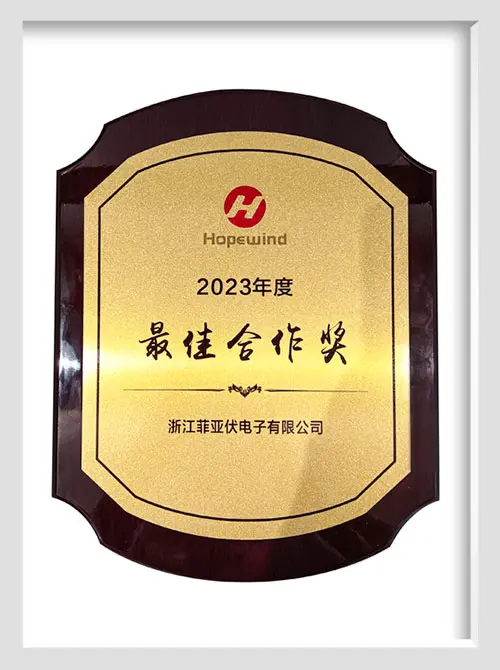
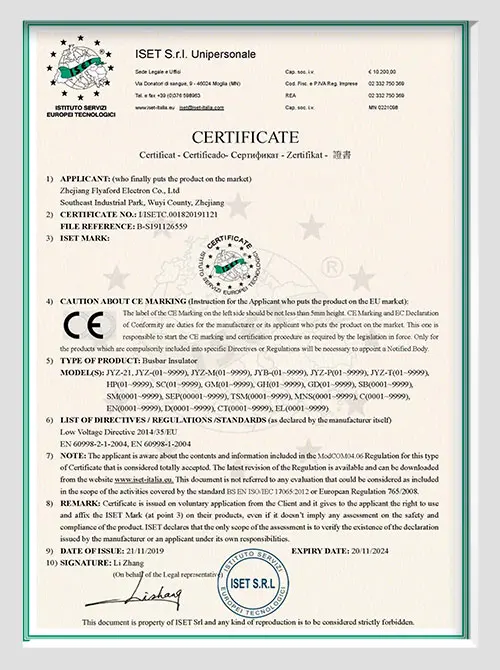
From custom metal insert machining to thermosetting composite formula optimization and automated packaging.
In-house mold design and tooling fabrication ensuring fast prototyping (7-14 days) and high batch repeatability.
Precision CNC machining of brass, steel, and aluminum threaded inserts engineered for extreme anti-torque performance.
Custom compound tailoring based on environmental temperature, dielectric requirement, and flame retardancy demands.
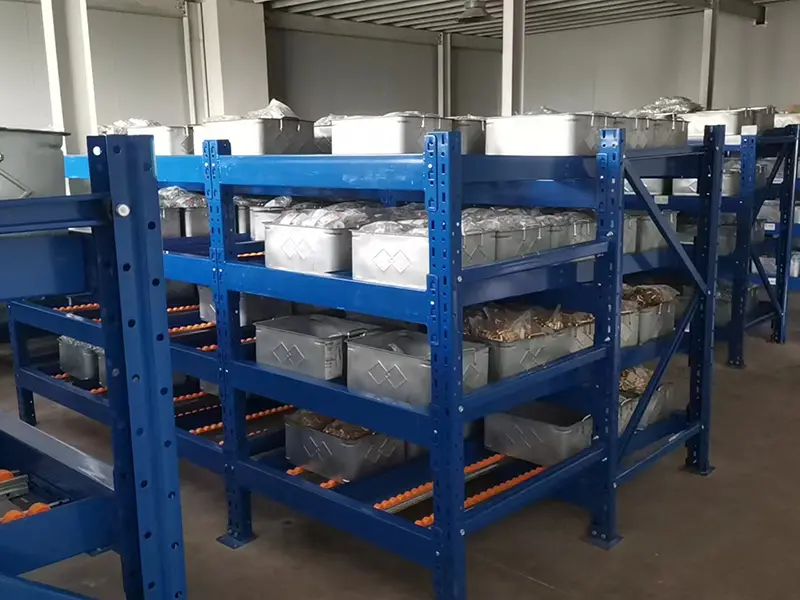
Real-time digital process monitoring, automated temperature control, and full lifecycle batch traceability.


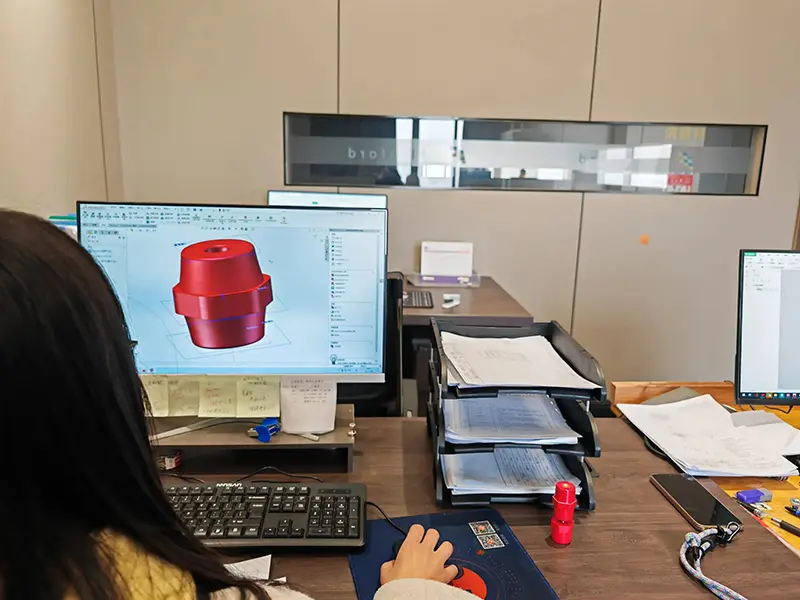
Providing pre-sale consultation, custom engineering drawings, rapid sampling, and 7x24 global after-sales support.
Our senior electrical engineers evaluate client application parameters (creepage distance, cantilever strength, voltage level) to recommend ideal insulator geometries.
Free sample dispatch for electrical, mechanical, and thermal shock testing in client labs, helping expedite design validation and compliance approvals.
Transparent tier-based FOB/CIF pricing with fast production cycles, ensuring on-time delivery for large-scale power infrastructure EPC contracts.
Remote & on-site technical support with 2-hour rapid response times, 7x24 online assistance, and direct replacement guarantees for quality peace of mind.
Collaborating with tier-1 power equipment manufacturers, research institutes, and multinational energy corporations.








Tailored low-to-medium voltage busbar supports, standoff insulators, and specialized OEM assemblies.
Key technological advancements driving the next decade of power grid component manufacturing.
Next-generation thermosetting compounds are integrating bio-derived epoxy resins and recyclable mineral fillers to lower carbon footprints by up to 60%, aligning with stringent EU Green Deal carbon accounting standards.
Integrating smart sensors into compression molds allows real-time monitoring of temperature gradient, pressure distribution, and resin viscosity, eliminating internal void micro-fractures and boosting breakdown voltage stability.
The expansion of high-voltage direct current (HVDC) solar microgrids and EV fast charging hubs requires polymer insulators with Comparative Tracking Index (CTI) ratings exceeding 600V to avoid surface carbonization under continuous DC bias voltage.
Expert insights regarding sustainable polymer insulator specification, selection, and customization.