 Flyaford
Flyaford
Flyaford
Precision-molded thermosetting composite solutions for low to medium-voltage electrical power distribution.
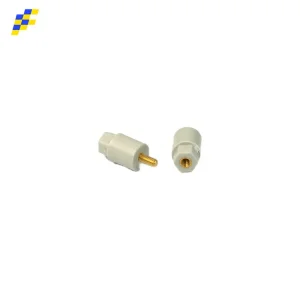
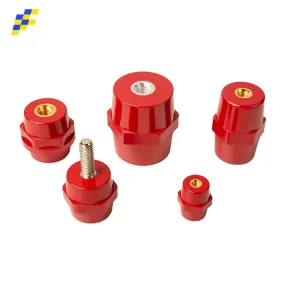
A rigorous examination of electrical dielectric insulation, thermal stability, and mechanical strength in modern energy architectures.
In contemporary power transmission, electric vehicle (EV) battery architectures, hyperscale data centers, and renewable energy storage systems (BESS), the reliability of power distribution hinges upon the structural and dielectric integrity of busbar standoff insulators. As electrical density escalates and system footprint demands shrink, selecting a premier busbar insulating material factory becomes a mission-critical engineering choice for OEMs and global panel builders.
Modern busbar insulation has evolved far beyond basic ceramic or conventional unreinforced plastics. Today's high-voltage and low-to-medium voltage switchgear rely on advanced thermosetting composite formulations. Bulk Molding Compounds (BMC), Dough Molding Compounds (DMC), Epoxy Molding Compounds (EMC), and Phenolic Resins (PF) represent the pinnacle of polymer engineering. These materials deliver exceptional dielectric breakdown strength (>20 kV/mm), elevated Comparative Tracking Index (CTI ≥ 600V), UL 94 V-0 flame retardance, and outstanding torque/shear retention under intense electrodynamic short-circuit stresses.
Thermosetting BMC/EMC formulations deliver superior breakdown voltage performance, preventing micro-arcing and surface creepage across extreme voltage gradients.
Engineered to operate continuously at continuous thermal exposure up to 180°C without plastic deformation, structural creep, or loss of mechanical rigidity.
Zero-halogen flame-retardant matrix designed to immediately self-extinguish within 10 seconds, eliminating toxic gas emissions during thermal runaway events.
Comparative technical analysis of core insulating compounds deployed across industrial busbar standoff applications.
| Material Type | Dielectric Strength (kV/mm) | CTI Index (Rating) | Flexural Strength (MPa) | Thermal Index Class | Key Application Focus |
|---|---|---|---|---|---|
| BMC (Bulk Molding Compound) | 18 – 24 | CTI ≥ 600V (PLC 0) | 140 – 180 | Class F (155°C) | Low-Voltage Switchgear, P/SM/SB Series Standoff Insulators |
| DMC (Dough Molding Compound) | 15 – 20 | CTI ≥ 600V | 120 – 150 | Class B/F (130°C-155°C) | General Industrial Power Distribution & Cable Supports |
| EMC (Epoxy Molding Compound) | 25 – 32 | CTI ≥ 600V | 180 – 240 | Class H (180°C) | High-Density EV Battery Packs, Medium Voltage Vacuum Circuit Breakers |
| PF (Phenolic Resin Matrix) | 12 – 16 | CTI 175V – 400V | 100 – 130 | Class B (130°C) | Cost-sensitive Low-Voltage Barriers, Traditional Control Cabinets |
While traditional ceramic insulators possess excellent heat resistance, their brittle nature leads to catastrophic cracking under mechanical shock or short-circuit electrodynamic forces. Unreinforced thermoplastics (such as standard Nylon or PVC), on the other hand, suffer from thermal softening and high moisture absorption leading to dielectric breakdown. Precision compression-molded unsaturated polyester thermosets (BMC/DMC) embedded with high-density chopped E-glass fibers (15% to 30% fiber ratio) represent the ultimate middle-ground: yielding fracture toughness, zero moisture ingress, dimensional stability under insert torque load, and immunity to electrical tracking.
Inside ZHEJIANG FLYAFORD ELECTRON CO., LTD. — A National High-Tech Enterprise re-engineering global insulator production.
Situated in the Jinyi New District of Jinhua City, Zhejiang Province, ZHEJIANG FLYAFORD ELECTRON CO., LTD. has emerged since its founding in 2007 as a global powerhouse in low-to-medium voltage busbar insulators and custom composite accessories. Recognized as a "National High-Tech Enterprise" and "Zhejiang Provincial Specialized, Refined, Distinctive, and Innovative SME", Flyaford operates a 35,000 square meter intelligent manufacturing facility housing over 60 advanced hydraulic compression molding presses and over 20 state-of-the-art laboratory testing apparatuses.
With an active workforce exceeding 120 skilled engineers and technicians, Flyaford maintains an astonishing output capacity exceeding 200,000 insulator units per day. Digitalization and automated Manufacturing Execution Systems (MES) enable real-time parameter regulation across raw material compounding, hydraulic press temperature control, brass insert automated placement, ultrasonic deflashing, and full-spectrum automated electrical testing. The outcome is an industry-leading product defect rate strictly below 100 PPM.
Tailored busbar insulation systems built for mission-critical clean energy and industrial infrastructure.
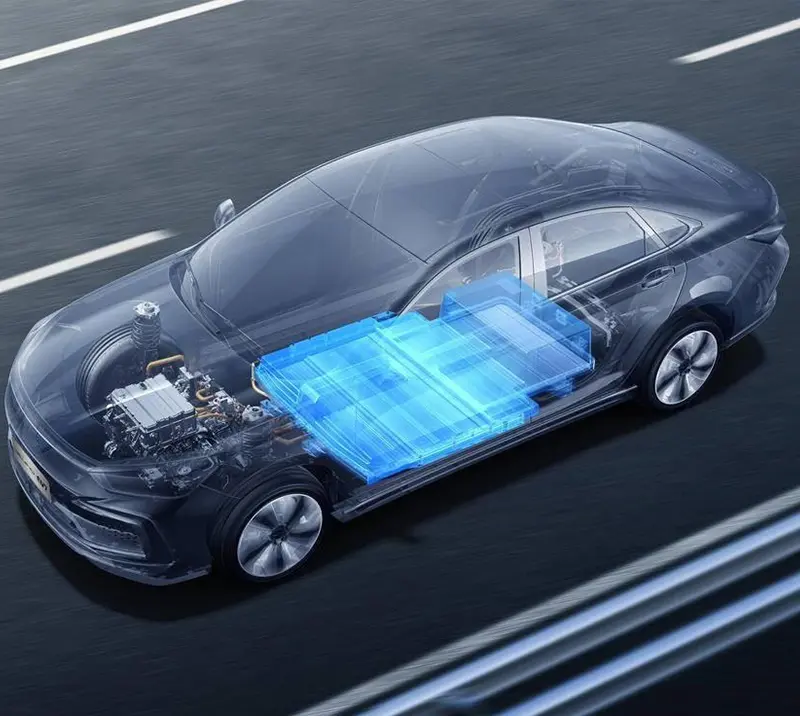



Custom T-Type and P-Series standoff insulators designed for high shock, continuous vibration, and extreme temperature cycling inside commercial electric vehicles.
High CTI insulators capable of preventing thermal runaway and short-circuit faults in megawatt-scale lithium battery containerized storage systems.
Compact BMC standoff insulators tailored for high-density power busways, ensuring uninterrupted uptime for AI supercomputing hubs.
Pioneering the next wave of composite electrical engineering in collaboration with elite research institutions.
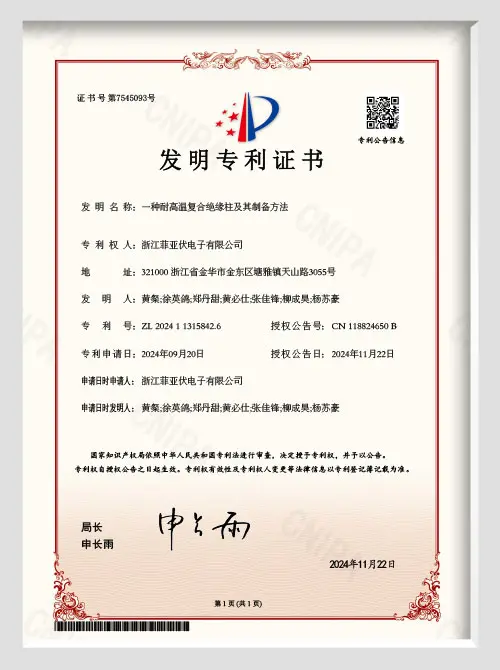
As power grids transition to higher DC voltages and ultra-fast charging infrastructures (800V to 1500V DC architectures), traditional insulating materials face heightened challenges from partial discharge, space charge accumulation, and intense thermal dissipation bottlenecks. Flyaford’s internal R&D Center — designated as the official Jinhua High-Performance Insulator Science and Technology R&D Center — leads the industry in forward-looking material research.
By incorporating nano-silica ($SiO_2$) and surface-functionalized graphene oxide fillers into BMC thermosetting resins, Flyaford engineers have achieved a 35% increase in thermal conductivity without compromising electrical isolation. This breakthrough allows busbars to dissipate heat rapidly during peak load spikes.
Aligning with global ESG directives and REACH directives, next-generation product lines utilize eco-friendly, halogen-free flame retardants based on aluminum trihydrate (ATH) and red phosphorus synergists, providing zero toxic smoke while maintaining UL 94 V-0 ratings.
Flyaford is proud to serve as a designated insulator development partner for Tsinghua University. Joint research initiatives focus on simulating electrodynamic stress distribution during lightning strikes and partial discharge mitigation in high-frequency power electronics environments.
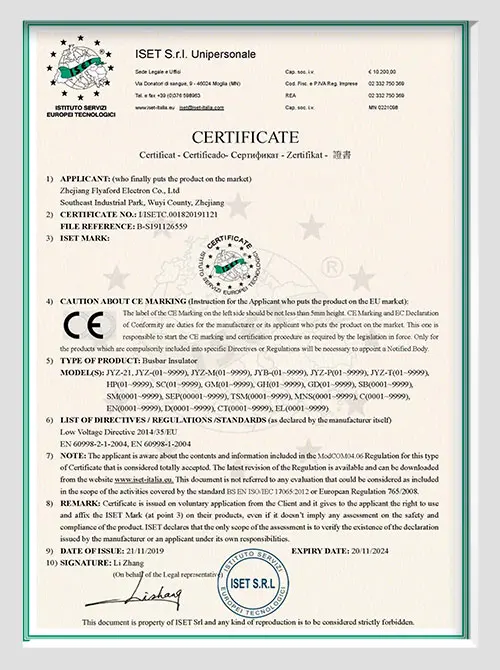
Rigorous multi-stage testing to meet IATF 16949, UL, ISO, CE, RoHS 2.0, and REACH standards.
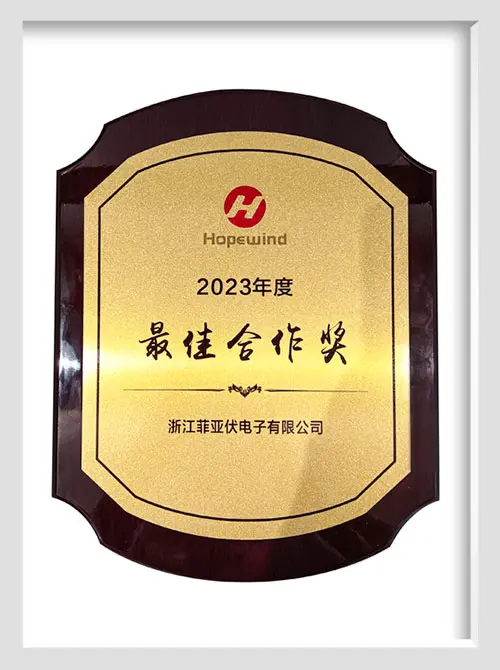
Global procurement teams require absolute confidence in product reliability. Flyaford maintains comprehensive quality management protocols certified to IATF 16949 (Automotive Quality Management System), UL Certification, ISO 9001 (Quality Management), and ISO 14001 (Environmental Management), along with CE safety certification and EcoVadis sustainability rating.

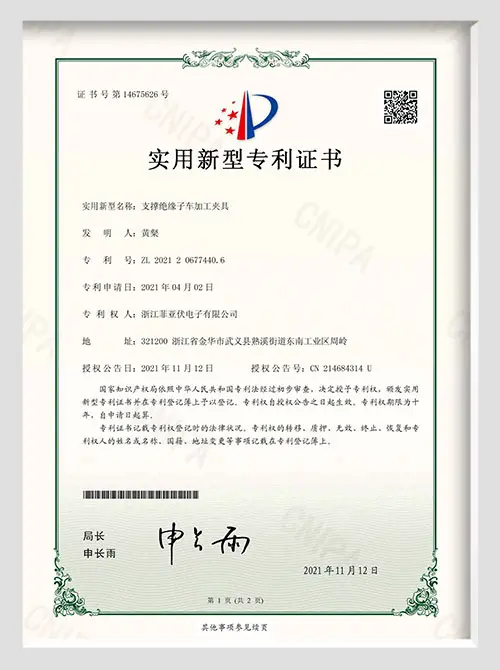

One-stop procurement, rapid prototyping, tool design, and 24/7 dedicated engineering support.
In-house precision mold design and custom tooling production. DFM (Design for Manufacturability) analysis provided prior to tooling release.
Custom brass, copper, or steel insert threads engineered for maximum pull-out force and high-torque assembly retention.
Dedicated technical support team responding within 2 hours. Fast sample supply and rapid volume ramp-up for international buyers.
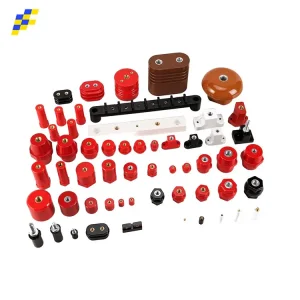
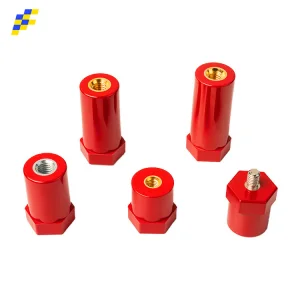
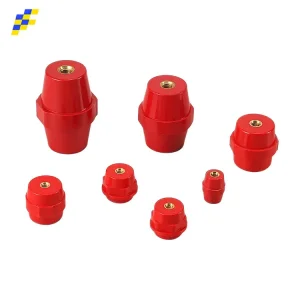
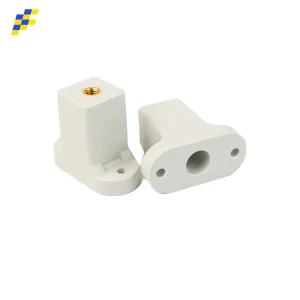
Flyaford provides an extensive catalog covering virtually all low and medium voltage busbar insulator categories:
Powering tier-1 energy leaders, switchgear manufacturers, and research centers worldwide.






Technical guidance for electrical engineers, panel builders, and procurement officers.
Explore our full range of certified standoff insulators for high-reliability energy systems.