 Flyaford
Flyaford
Flyaford
Engineered to meet stringent IEEE, IEC, and UL standards for electrical isolation, arc resistance, and thermal durability.
The global electrical power architecture is undergoing a structural transition driven by decarbonization, electrification of transport, high-frequency industrial automation, and microgrid deployments. High-performance flexible insulation composites, bulk molding compounds (BMC), sheet molding compounds (SMC), epoxy molding compounds (EMC), and phenol-formaldehyde (PF) resins are at the core of this transition. As low and medium-voltage infrastructure demands higher thermal endurance (Thermal Class F and Class H ratings), resistance to partial discharge, and reduced mechanical footprint, traditional monolithic porcelain or unreinforced mica barriers are rapidly being replaced by composite systems.
In complex industrial equipment such as variable frequency drives (VFDs), battery energy storage system (BESS) switchgear, electric vehicle (EV) fast-charging kiosks, and offshore wind turbines, flexible composite laminates (such as NMN, NHN, PET/Mylar films) and thermosetting standoff insulators must withstand high peak transient overvoltages, mechanical vibration fatigue, and extreme thermal cycling (-40°C to +140°C).
Modern solar inverters and energy storage cabinets require sub-components capable of handling high continuous DC voltages without dielectric breakdown. Advanced composite busbar supports ensure creepage distance compliance in space-constrained enclosures.
Automotive traction inverters and 5G telecom power modules demand flame retardancy (UL94 V-0) and structural integrity against intense harmonic vibrations, accelerating the adoption of fiber-reinforced BMC/EMC insulators.
Global tier-1 procurement guidelines mandate strict adherence to RoHS 2.0, REACH, and halogen-free standards, eliminating toxic volatile organic compounds (VOCs) and heavy metals from flexible insulation matrices.
Founded in 2007, ZHEJIANG FLYAFORD ELECTRON CO., LTD. is situated in the Jinyi New District of Jinhua City, Zhejiang Province. Operating out of a state-of-the-art 35,000 square meter standard manufacturing complex, Flyaford represents the vanguard of China's Industry 4.0 transformation in electrical insulation engineering.
Through automated compression molding, real-time closed-loop parameter adjustment, and digitized material traceability, Flyaford delivers enterprise-grade supply chain resilience for international OEMs, power grid developers, and industrial equipment integrators worldwide.
Equipped with over 60 advanced hydraulic thermosetting molding machines, automated raw material dosing, and robotic demolding cells to maintain dimensional consistency across large-volume wholesale orders.
Recognized as a "National High-Tech Enterprise", "Zhejiang Provincial Specialized, Refined, Distinctive, and Innovative SME", and housing the official "Jinhua Flyaford High-Performance Insulator Science and Technology R&D Center".
From incoming polymer slurry inspection to final torque testing of embedded brass/steel inserts, complete ERP-MES system integration guarantees 100% batch traceability for total buyer security.
In collaboration with elite research hubs—including joint industrial-academic development initiatives with Tsinghua University—Flyaford formulates and processes proprietary composite grades designed to surpass baseline industry expectations. We are the designated insulator supplier for Tsinghua University, proving our standing at the cutting edge of material engineering.
Bulk Molding Compound (BMC) and Dough Molding Compound (DMC) utilize chopped glass fiber reinforcements (15% to 30% concentration) combined with unsaturated polyester resins, mineral fillers, and flame-retardant additives. These materials exhibit exceptional arc resistance (>180 seconds), high Comparative Tracking Index (CTI 600V), and superior mechanical bending resistance under heavy short-circuit electromagnetic stresses.
For specialized high-temperature applications, our Epoxy Molding Compounds (EMC) and Phenol-Formaldehyde (PF) formulations provide structural stability up to 200°C without mechanical creep or loss of dielectric strength.
Flexible composite materials—such as NMN (Nomex / Polyester Film / Nomex) and NHN (Nomex / Polyimide Film / Nomex)—are integrated into motor slot insulations, dry-type transformer layer barriers, and flexible busbar wraps. These composite structures combine the high dielectric puncture strength of synthetic polyester/polyimide films with the thermal toughness and varnish absorbency of aramid paper.
Our flexible insulation composites deliver Class F (155°C) to Class H (180°C) performance, ensuring micro-crack resistance under physical bending and folding during automated winding operations.


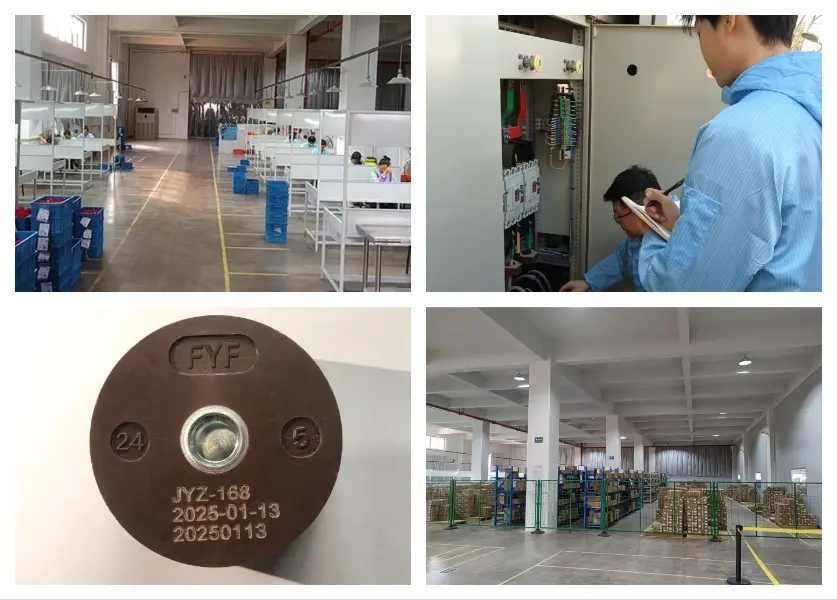

To maintain an unbroken quality chain, Flyaford operates a high-standard testing center fitted with over 20 advanced analytical instruments:
Microcomputer Torsion Testing Machine (0-500N.m), Universal Testing Machine (0-200KN), Verticality Testers, Hardness Testers.
Partial Discharge Room (0-120KV), Lightning Impulse Tester (0-300KV), Withstand Voltage Tester (0-100KV), Insulation Resistance Tester (0-1TΩ), Arc Resistance Testers.
Double 85°C Chamber, Thermal Shock Chamber (-40°C to +140°C), High Temp Chamber (up to 300°C), Cryogenic Chamber (-86°C to 0°C), Salt Spray Testers, ROHS Component Analyzers, Flame Chambers.
Our production workflows and product lines comply with top international quality management systems, assuring international buyers of compliance with stringent engineering specifications.

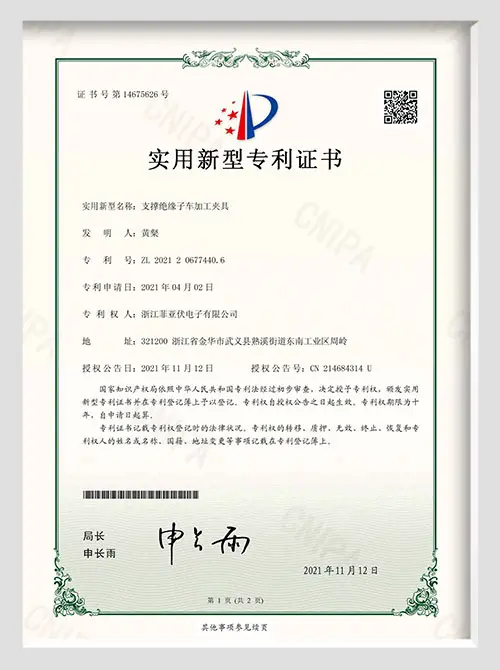

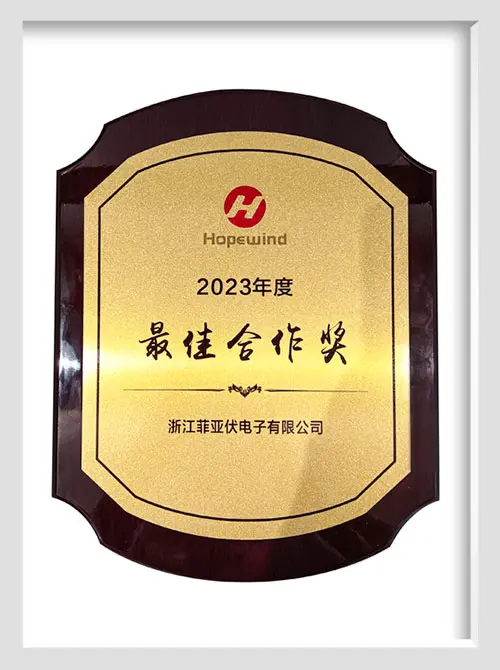
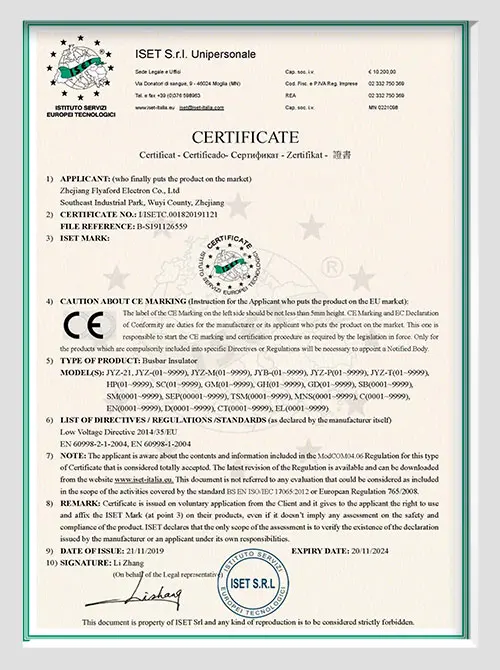
Flyaford low and medium-voltage insulators and flexible composite systems are integrated across critical modern energy and industrial projects globally.

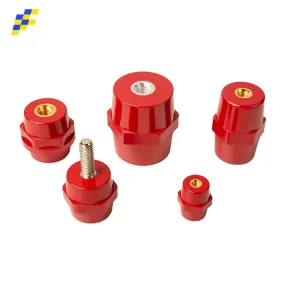
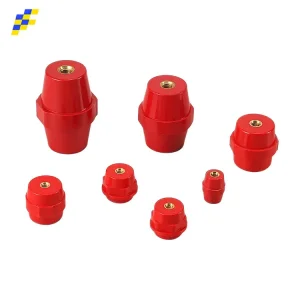
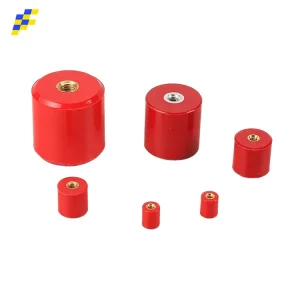
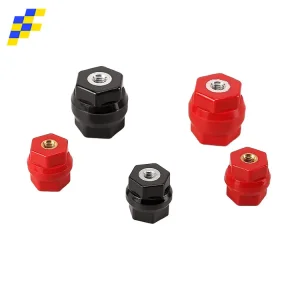
Provides primary busbar separation, structural standoff rigidity, and phase-to-ground isolation in power distribution cabinets, ring main units (RMUs), and modular substations under high short-circuit load currents.

Protects internal power electronics from continuous high-frequency PWM switching voltage spikes and thermal dissipation, maintaining stable continuous dielectric performance in heavy industrial drives.
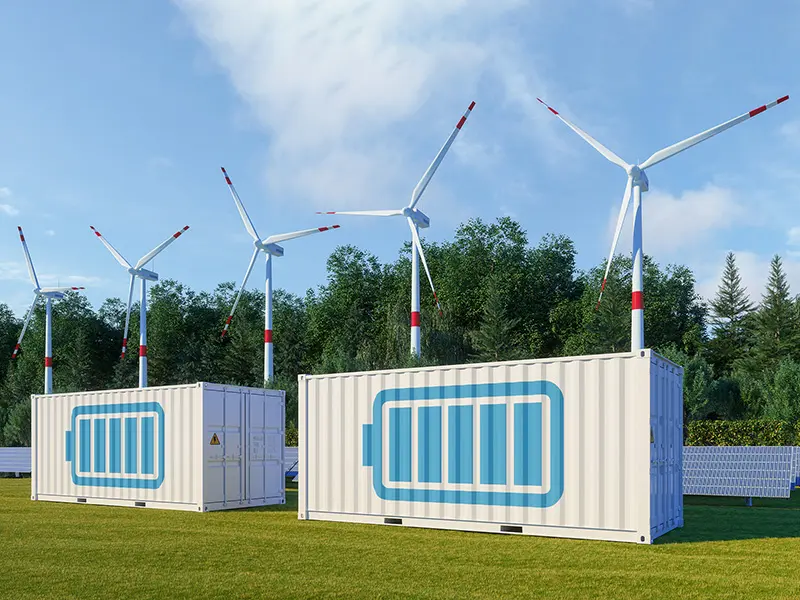
Essential for isolated DC busbar routing, battery rack insulation barrier mounting, and high-voltage junction box assembly, preventing thermal runaway arc flash propagation.

Specially engineered to resist high humidity, airborne salt spray, and extreme operational vibration in nacelles and offshore platform power transformer enclosures.
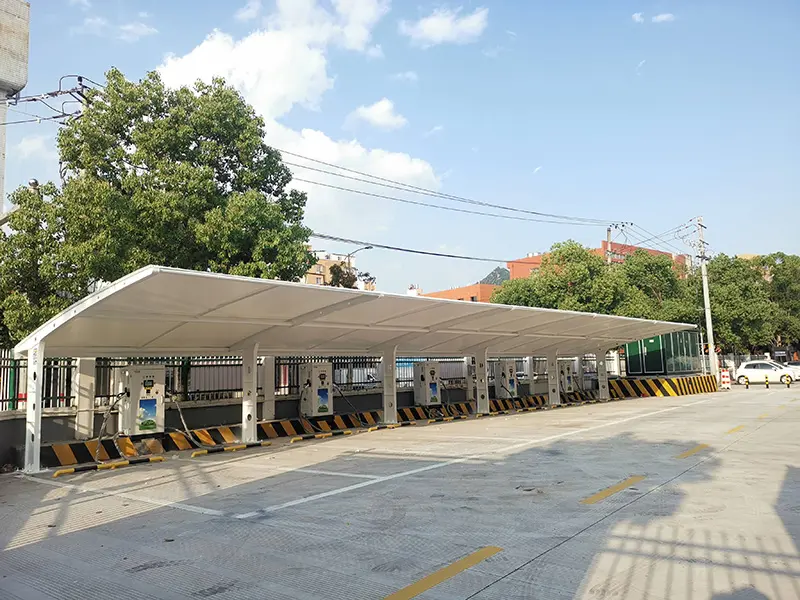
Supports compact high-voltage power distribution units (PDUs), onboard chargers (OBC), and high-speed rail traction power systems under IATF 16949 automotive stringency.
With over 20 years of dedicated technical experience in OEM/ODM electrical insulation manufacturing, Flyaford provides a seamless, one-stop procurement experience tailored to exact client blueprints, insert specifications, and thermal classes.
Our senior engineering team reviews 2D/3D CAD models, evaluates creepage distances, selects ideal polymer compounds (BMC, EMC, PF), and designs high-precision steel compression molds.
Precision machining of brass, copper, or steel threaded inserts. Inserts undergo knurling and surface plating to ensure maximum pull-out strength and torque resistance after molding.
Sample units undergo full physical, electrical, and thermal verification—including withstand voltage, tensile load, partial discharge, and salt spray testing prior to full mass production release.
Automated batch manufacturing capable of 200,000+ pieces daily. Complete 100% optical and electrical routine inspection before international palletized export shipping.
Clear, authoritative engineering answers to help buyers evaluate flexible insulation composites and standoff insulator selection.
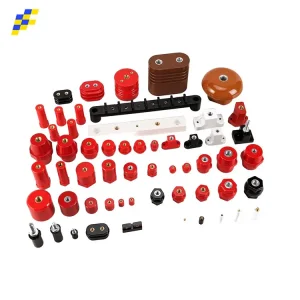
Browse our additional CE and UL certified insulators designed for modern power grid infrastructure.
Leverage 20 years of OEM/ODM engineering expertise, 26 national patents, and direct factory-direct pricing for your flexible insulation composites and standoff insulator requirements.