 Flyaford
Flyaford
Flyaford

In modern high-density power architecture, the rapid surge in power throughput across industrial switchgear, commercial Battery Energy Storage Systems (BESS), and Electric Vehicle (EV) charging super-hubs has escalated the engineering requirements for electrical insulation materials. Fire retardant insulating materials no longer merely serve as mechanical physical spacers; they form the critical primary barrier against dielectric breakdown, arc flash disasters, thermal runaway propagation, and catastrophic structural degradation under fault conditions.
As a premier ODM Fire Retardant Insulating Materials Supplier & Factory, ZHEJIANG FLYAFORD ELECTRON CO., LTD. operates at the nexus of advanced material science and automated composite molding engineering. Established in 2007 in the Jinyi New District of Jinhua City, Zhejiang Province, Flyaford has evolved from an engineering pioneer into a globally recognized manufacturing authority. Operating a state-of-the-art 35,000 square meter intelligent production facility equipped with over 60 high-precision thermoset molding presses and 20 specialized dielectric and mechanical testing systems, Flyaford manufactures over 150,000 to 200,000 precision insulating components daily while maintaining an industry-leading defect rate below 100 PPM.
Selecting between Bulk Molding Compound (BMC), Epoxy Molding Compound (EMC), and Phenolic Resin (PF) formulations requires evaluating Comparative Tracking Index (CTI > 600V), flame retardancy classification (UL 94 V-0 at 0.8mm thickness), heat deflection temperatures (HDT > 240°C), and short-circuit mechanical shear forces up to 200 kN.
The global fire retardant insulating materials market is undergoing structural changes driven by three macro forces: global decarbonization grids, extreme power density in renewable energy, and stringent safety standards (UL 94 V-0, IEC 61439, IATF 16949). Tier-1 energy companies and original equipment manufacturers (OEMs) face complex challenges that demand ODM manufacturing customization rather than standard catalog components.
Global environmental directives (RoHS 2.0, REACH SVHC) strictly limit toxic halogenated flame retardants. Modern engineering requires non-halogenated Aluminum Trihydrate (ATH) and phosphorus-based synergists that release zero toxic halogen acids during combustion while providing UL 94 V-0 self-extinguishing capabilities.
As system voltages in solar photovoltaics and battery storage increase from 1000V DC to 1500V DC (and up to 2000V DC), creepage distances become tighter. Insulating standoff insulators must maintain a Comparative Tracking Index (CTI) rating of 600V (Class 0 tracking resistance) to prevent electrical surface treeing.
Short-circuit currents in grid-tied transformers and industrial frequency conversion cabinets induce massive electromagnetic repulsion forces. Standoff insulators must resist extreme torsional torque (up to 500 N.m) and tensile/flexural loads exceeding 200 kN without micro-cracking or insert pull-out.
To guide global engineering procurement teams, Flyaford’s R&D Center presents a comparative technical performance baseline across our core ODM composite formulations:
| Property Parameter | BMC (Bulk Molding Compound) | EMC (Epoxy Molding Compound) | PF (Phenolic Resin Compound) |
|---|---|---|---|
| Flame Retardancy Standard | UL 94 V-0 (Halogen-Free) | UL 94 V-0 / 5VA | UL 94 V-0 (Inherent) |
| Comparative Tracking Index (CTI) | ≥ 600 V (PLC Class 0) | ≥ 600 V | 175 V - 400 V |
| Dielectric Strength (kV/mm) | 18 - 24 kV/mm | 22 - 28 kV/mm | 12 - 16 kV/mm |
| Heat Deflection Temp (HDT @1.8MPa) | > 200 °C | > 240 °C | > 180 °C |
| Tensile & Mechanical Strength | High (Glass Fiber Reinforced) | Ultra-High Matrix Bonding | Moderate to High Structural |
| Primary Target Application | Low-Medium Voltage Busbars, Switchgear | Extreme Thermal/EV Battery Pack Units | High-Temperature Terminal Supports |

Recognized as a National High-Tech Enterprise, a Zhejiang Provincial Specialized, Refined, Distinctive, and Innovative SME, and home to the Jinhua Feifav High-Performance Insulator Science and Technology R&D Center, Flyaford leads the thermoset composite manufacturing sector.
Our core engineering strength lies in complete vertical integration: from custom mold tool design and hardware insert machining to thermoset raw material formulation, compression molding, and automated 100% full-inspection testing.
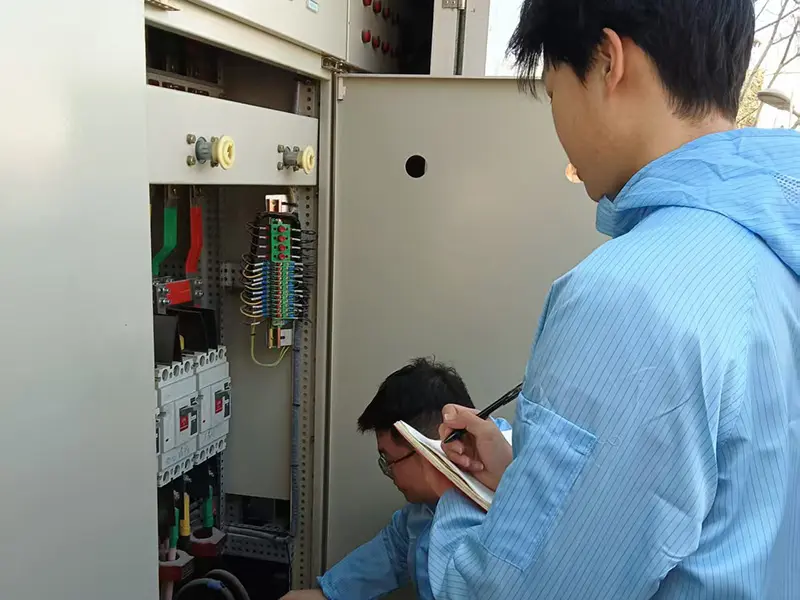
To ensure total reliability in severe industrial environments, Flyaford operates an advanced in-house testing laboratory compliant with ISO 17025 principles. Every production batch undergoes rigorous destructive and non-destructive evaluations using specialized instrumentation:
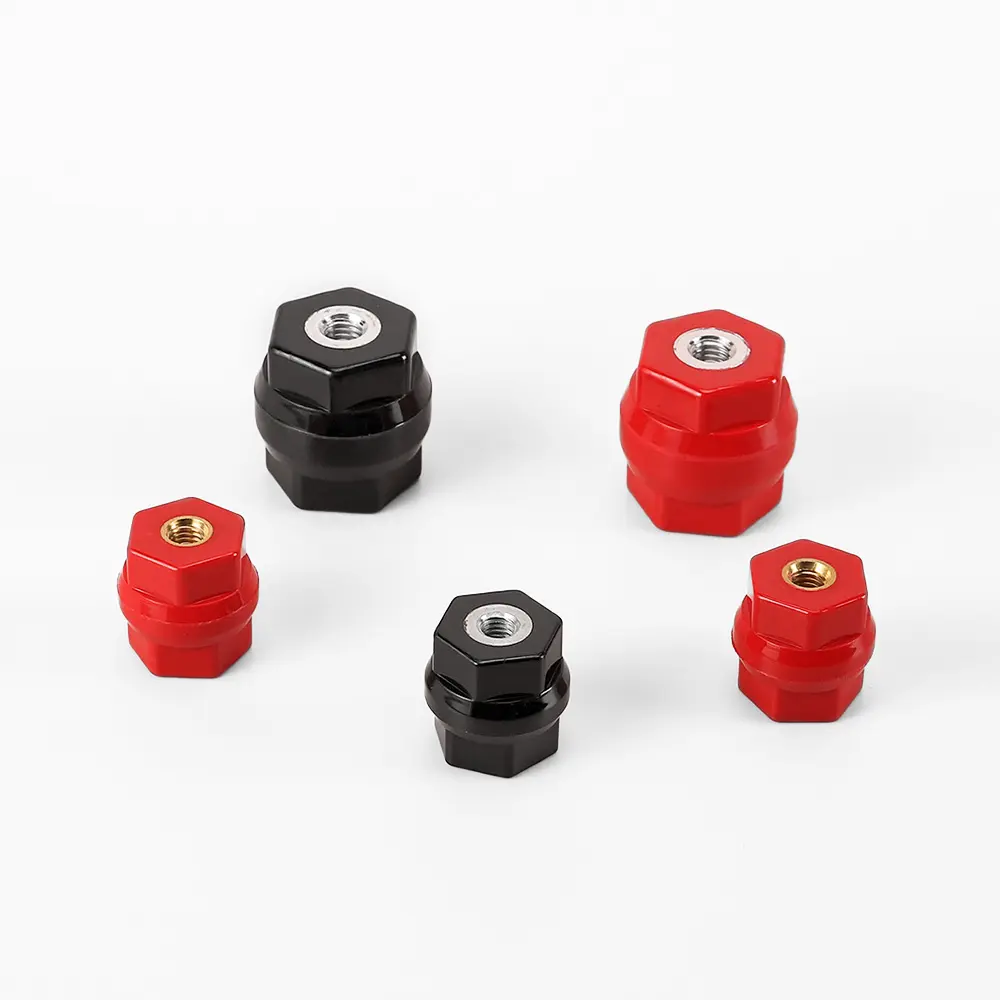
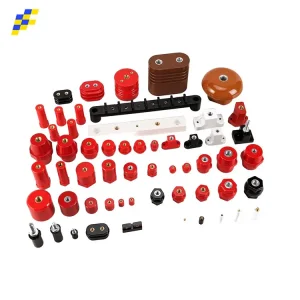
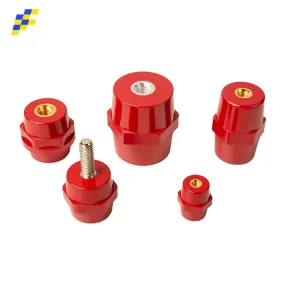
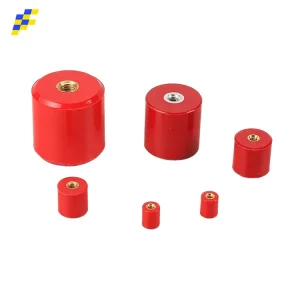
Compact cylindrical busbar standoff insulators designed for high-density panel boards and switchgear enclosures.
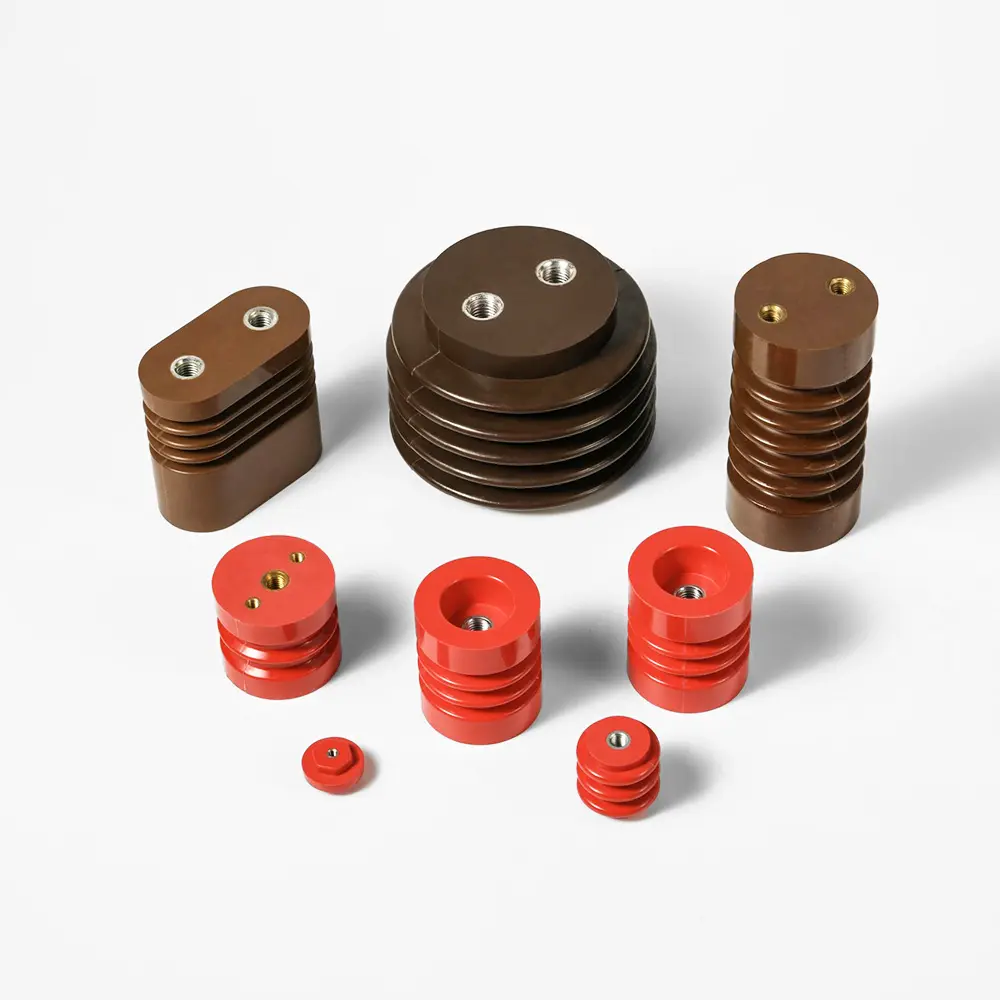
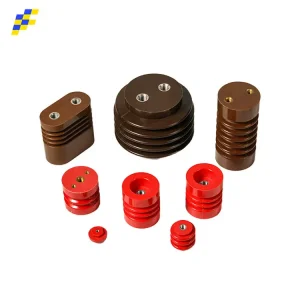
CE-certified high-voltage indoor insulators featuring extended creepage distances and robust structural ribs.

Engineered specifically for MNS low-voltage withdrawable switchgear and modular power distribution cabinets.
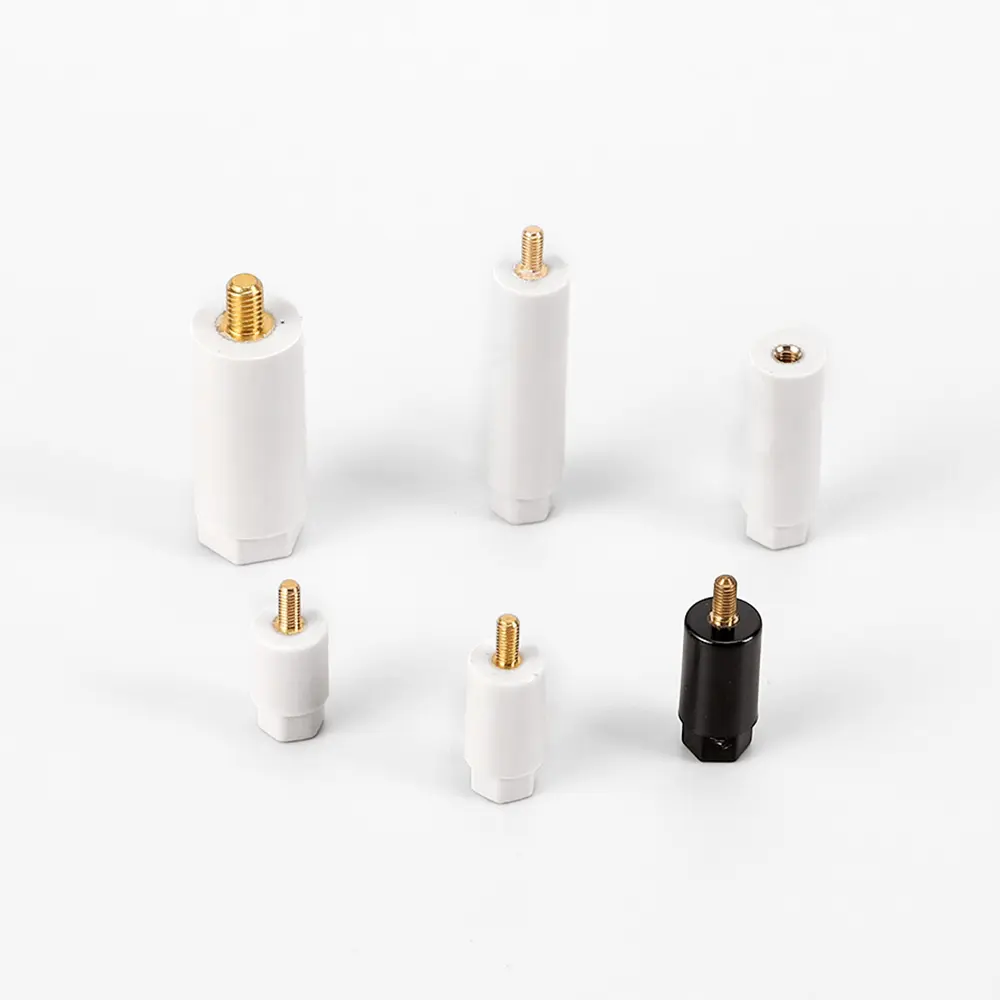
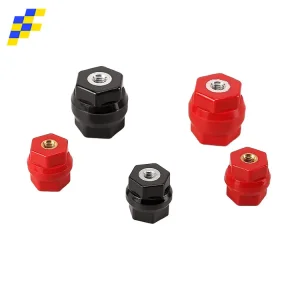
Heavy-duty polygonal standoff insulators optimized for maximum mechanical shear resistance during short-circuits.
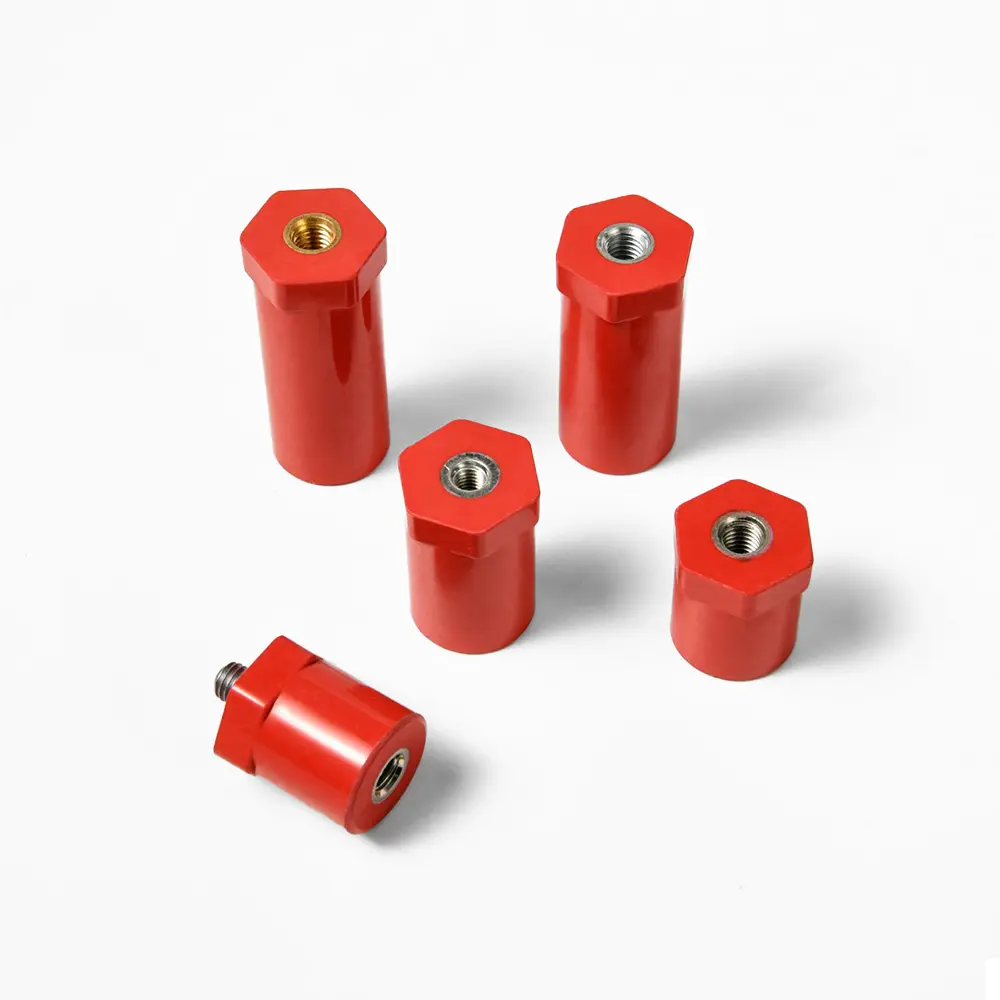
Industry standard step-type insulators suitable for medium to low voltage power networks and transformer links.
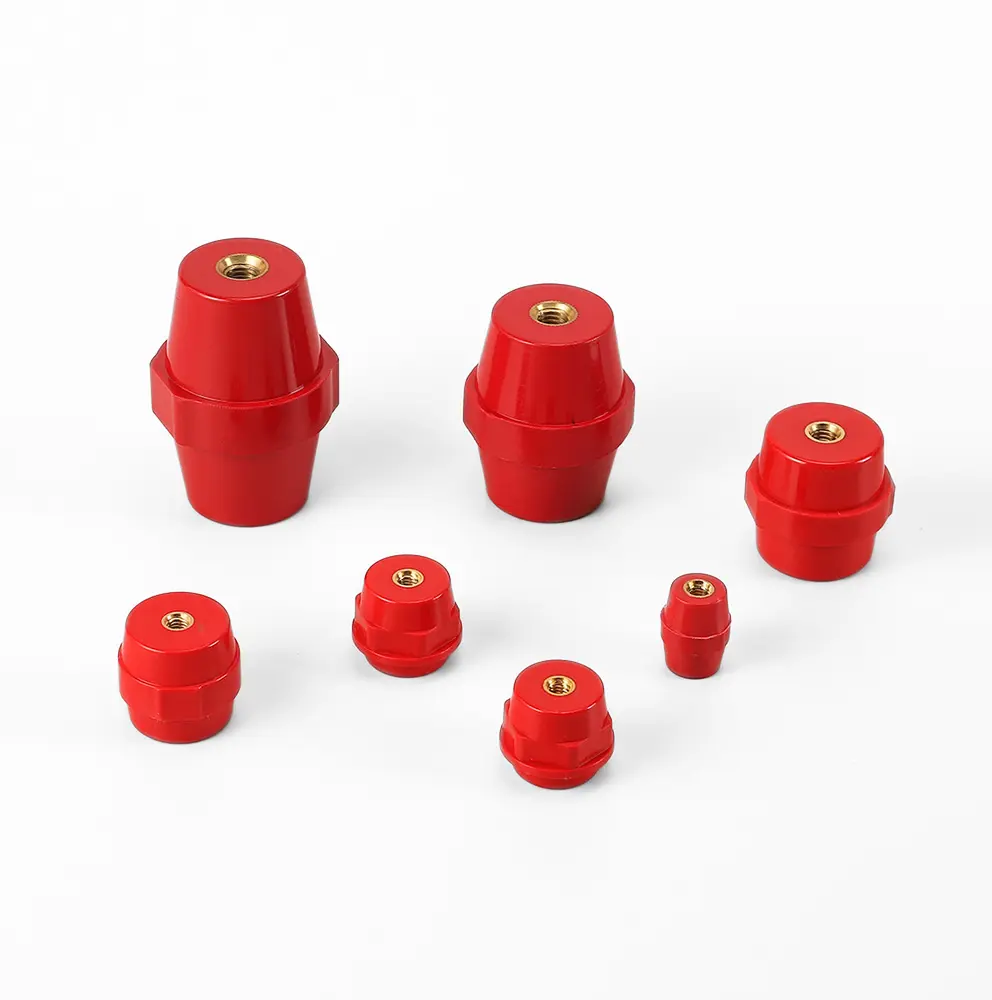
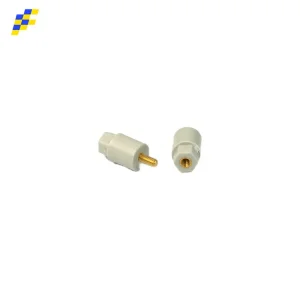
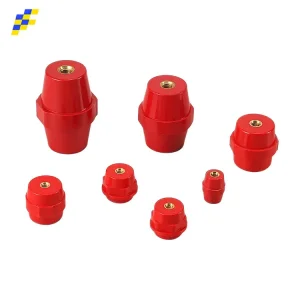
Conical high-torque standoff supports with molded brass inserts for high vibration electrical systems.
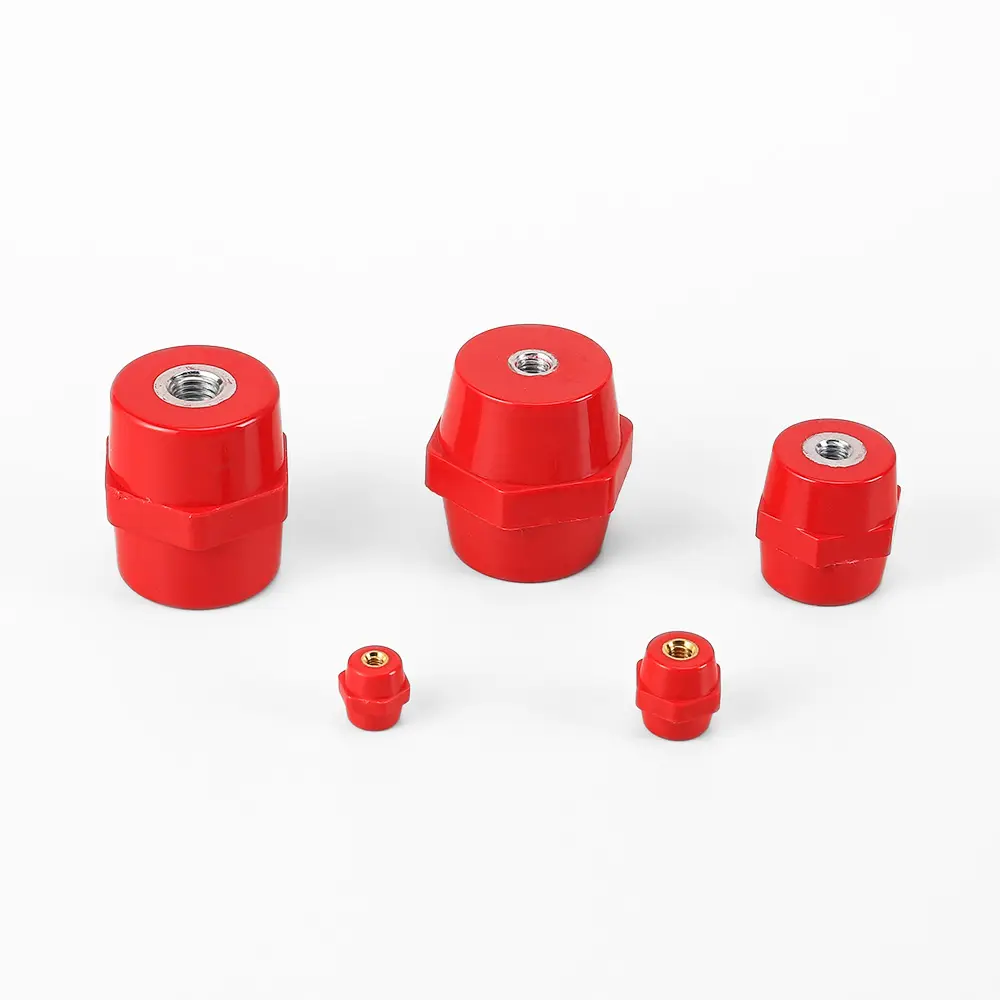
OEM dependable SEP series developed for smart grid networks, rail transit substations, and frequency converters.

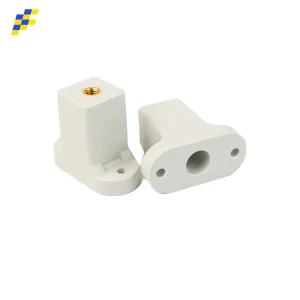
T-slot integrated busbar supports designed for fast clip-on installation in modern battery energy storage racks.
Flyaford’s ODM fire retardant insulators and thermoset composite components are engineered to perform under severe environmental stressors, ranging from desert solar fields to high-vibration locomotive powertrains.

Vibration-resistant standoff insulators installed in nacelle converter cabinets and tower distribution units.

1500V DC rated anti-tracking insulators for utility-scale solar string inverters and combiner boxes.

Corrosion and chemical-resistant insulation supports for wastewater pump control panels.

UL 94 V-0 flame-retardant busway supports for high-rise commercial building power risers.

Essential dielectric spacers connecting high-voltage and low-voltage cable switchgear equipment, ensuring isolation against phase-to-ground flashover.

Providing high thermal dissipation stability and electrical insulation in variable frequency drive (VFD) enclosures subject to severe harmonic stress.
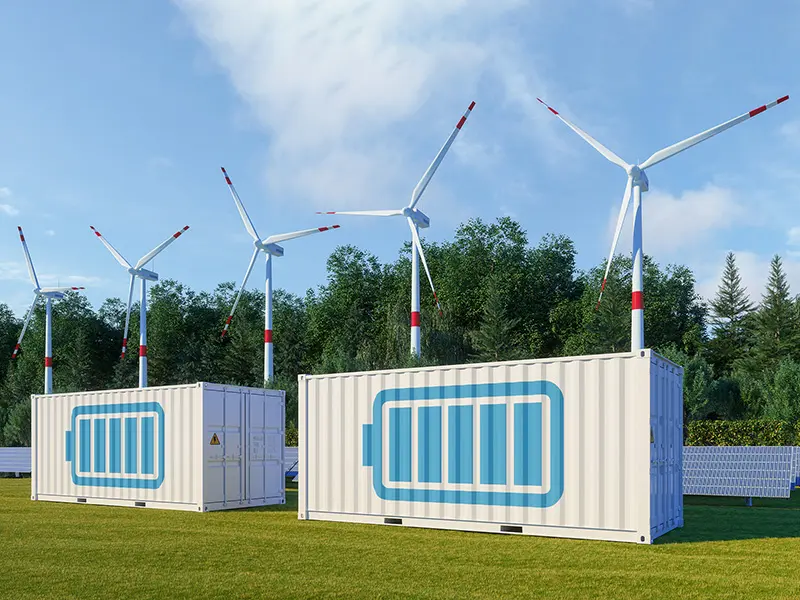
Critical structural dielectric supports within lithium battery container racks, preventing catastrophic thermal runaway cascades.
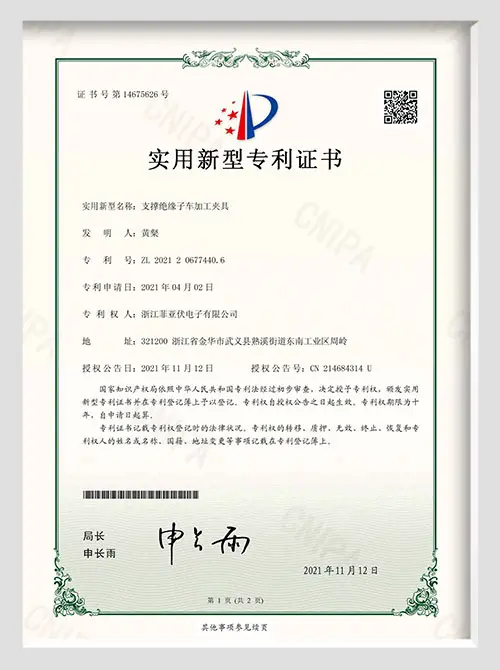
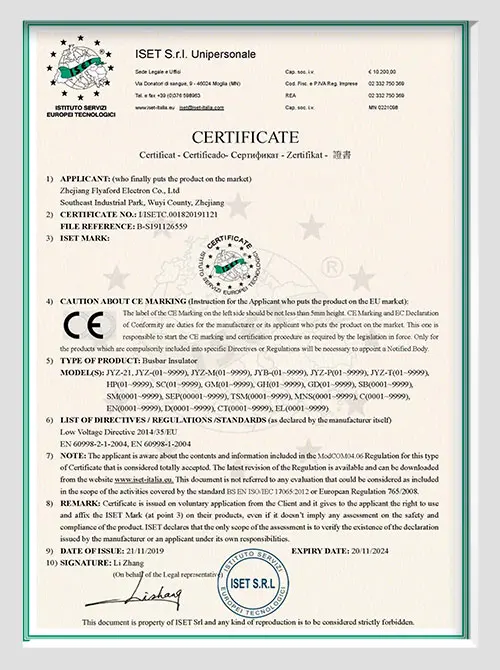
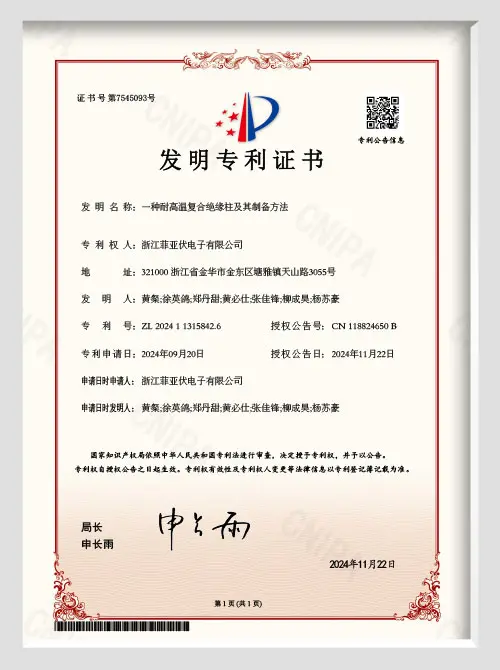
Navigating international supply chains requires uncompromised regulatory compliance. Flyaford maintains a full suite of internationally recognized quality, safety, and environmental management accreditations:






With over 20 years of experience in OEM and ODM insulator engineering, Flyaford provides global clients with a seamless one-stop procurement and custom development methodology. From initial drawing assessment to final high-volume delivery, we ensure every detail meets client specifications:
Technical requirement mapping, creepage distance calculation, finite element dielectric stress modeling, and hardware insert knurling design.
Formulating specific BMC, EMC, or PF compound ratios (glass fiber content, ATH flame retardant concentration, color pigments) for target application requirements.
In-house mold design and precision CNC tooling manufacturing, producing physical test samples within expedited lead times.
Automated compression molding with 100% full electrical withstand testing and optical dimensional inspection prior to export packaging.
As power networks transition to ultra-high-density power electronics and higher DC operating voltages, Flyaford’s R&D Center is actively pushing the boundaries of composite insulating material science:
Developing embedded fiber-optic and passive RFID temperature/partial discharge sensors directly molded inside standoff insulators for real-time AI-driven grid predictive maintenance.
Pioneering eco-friendly bio-based thermoset resins reinforced with modified basalt fibers to reduce carbon footprint while retaining UL 94 V-0 ratings.
Incorporating nano-alumina and graphene oxide surface treatments to increase partial discharge inception voltage (PDIV) by over 40% in ultra-compact EV drive inverters.