 Flyaford
Flyaford
Flyaford
Explore our high-performance medium and low-voltage insulator products engineering for electrical substations, switchgears, and power distribution units.
In-depth whitepaper analysis on electrical grid modernization, composite insulation transition, and the role of CE-certified solutions in modern power infrastructure.
The global electrical substation infrastructure is undergoing a historic paradigm shift driven by renewable energy integration, grid digital transformation, and the relentless rise of high-density power consumers such as AI hyperscale data centers and electric vehicle (EV) charging super-hubs. Modern electrical distribution systems demand unprecedented operational reliability under heightened ambient thermal, mechanical, and electrical stresses.
Traditional porcelain and ceramic insulators are increasingly being phased out in favor of thermosetting composite materials such as Bulk Molding Compound (BMC), Epoxy Molding Compound (EMC), and Phenolic Resins (PF). Polymer standoff insulators and busbar supports deliver superior mechanical toughness, zero catastrophic shattering risk, exceptional hydrophobic properties, and significantly reduced structural weight.
Compliance with rigorous regulatory frameworks—specifically the European Union’s CE mark alongside UL, ROHS 2.0, and REACH standardizations—is no longer merely a legal formality; it is a critical baseline for asset safety, insurance compliance, and cross-border grid interoperability.
CE certification guarantees that substation insulator solutions comply with EN/IEC 60664-1 creepage and clearance specifications, high flame retardancy standards (UL 94-V0), and mechanical cantilever torque endurance under short-circuit fault conditions. Engineering decision-makers at EPC companies and switchgear manufacturers prioritize certified suppliers to mitigate liability and lower Total Cost of Ownership (TCO).
Empirical evidence of enterprise scale, precision quality metrics, and technological R&D capability.
A rigorous comparative synthesis of thermosetting composite formulations used in substation standoff insulators and busbar supports.
| Material Parameter / Property | BMC (Bulk Molding Compound) | EMC (Epoxy Molding Compound) | PF (Phenolic Resin Compound) |
|---|---|---|---|
| Dielectric Strength (kV/mm) | 18 - 24 kV/mm | 25 - 32 kV/mm | 15 - 20 kV/mm |
| Flexural & Tensile Strength | High (Glass Fiber Reinforced) | Ultra-High Tensile Toughness | Medium - High Structural Rigidity |
| Comparative Tracking Index (CTI) | CTI 600 (PLC Class 0) | CTI 600 | CTI 175 - 250 |
| Flame Retardancy Standard | UL 94-V0 (Self-Extinguishing) | UL 94-V0 (Halogen-Free options) | UL 94-V0 / V1 |
| Continuous Heat Resistance | 130°C to 155°C (Class B/F) | 180°C to 200°C (Class H) | 150°C to 180°C |
| Arc Resistance (Seconds) | > 180 seconds | > 180 seconds | 120 - 150 seconds |
| Primary Substation Applications | LV/MV Standoff Insulators, MNS Busbar Support, EL/SEP Series | High-Stress MV Switchgears, Critical Transformers, BESS Modules | Low-Voltage Switchboards, Industrial Terminal Blocks |
Utilizing over 60 high-tonnage automated compression molding machines, Flyaford precise-controls mold temperature, injection pressure, and curing time cycles. This process eliminates internal voids and micro-porosities, guaranteeing zero internal partial discharge under elevated operating voltages.
Our standoff insulators feature precision CNC-machined brass, steel, or aluminum threaded inserts. Deep knurling patterns and automated insert placement prevent rotation or pull-out failure during high-torque busbar installation bolt tightening.
Formulated with specialized silane coupling agents and UV stabilizers, our composite insulators prevent water film formation, significantly reducing surface leakage currents and tracking degradation in coastal, chemical, or high-humidity environments.
Zhejiang Flyaford Electron Co., Ltd. - Driving composite insulator innovation since 2007 from Jinhua City, Zhejiang Province.

Zhejiang Flyaford Electron Co., Ltd. operates a modern 35,000 square meter manufacturing facility in the Jinyi New District of Jinhua City. Recognized as a "National High-Tech Enterprise" and a "Zhejiang Provincial Specialized, Refined, Distinctive, and Innovative SME", Flyaford serves as a cornerstone research hub known as the Jinhua Feifav High-Performance Insulator Science and Technology R&D Center.
Innovation is the primary driver of our corporate trajectory. Flyaford maintains a high-caliber R&D matrix led by senior electrical engineers and dedicated researchers. We actively execute joint industry-university-research projects with top institutions, including Hangzhou research facilities and Tsinghua University. Flyaford is proud to serve as a designated insulator supplier for Tsinghua University’s electrical engineering labs.
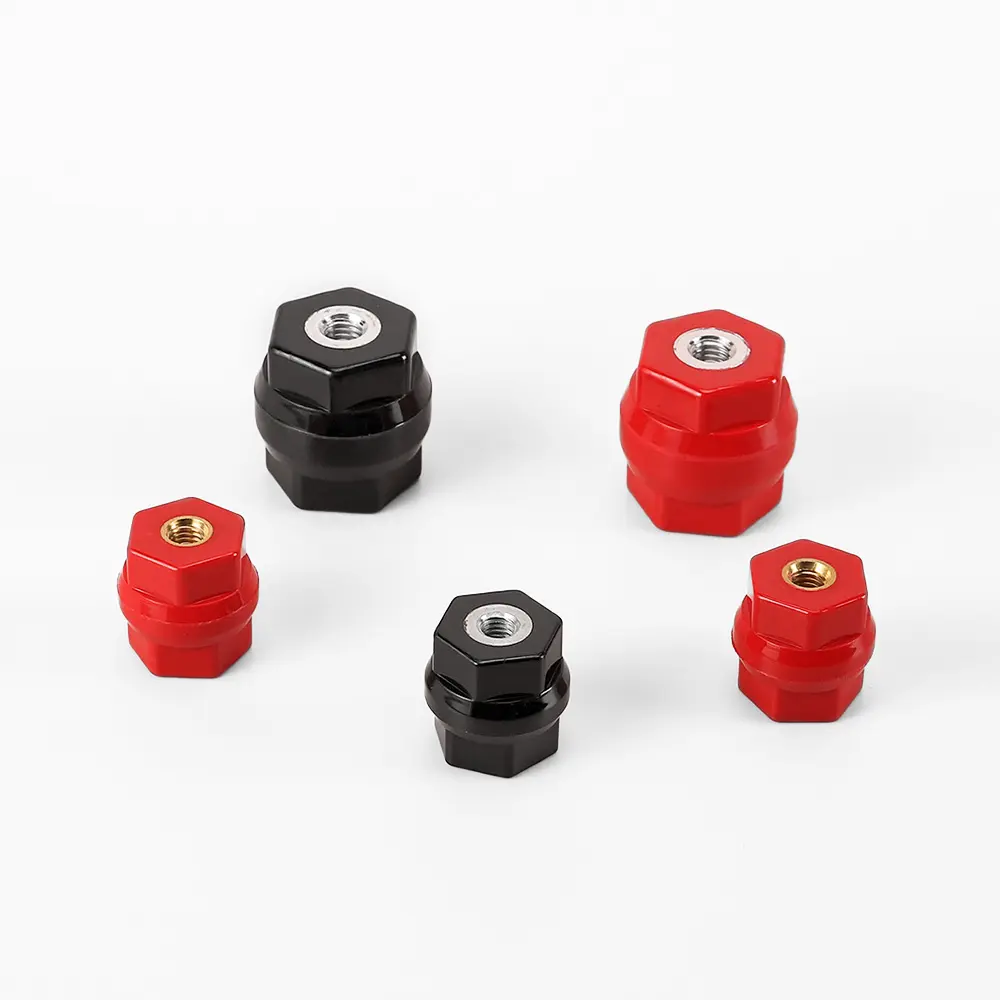
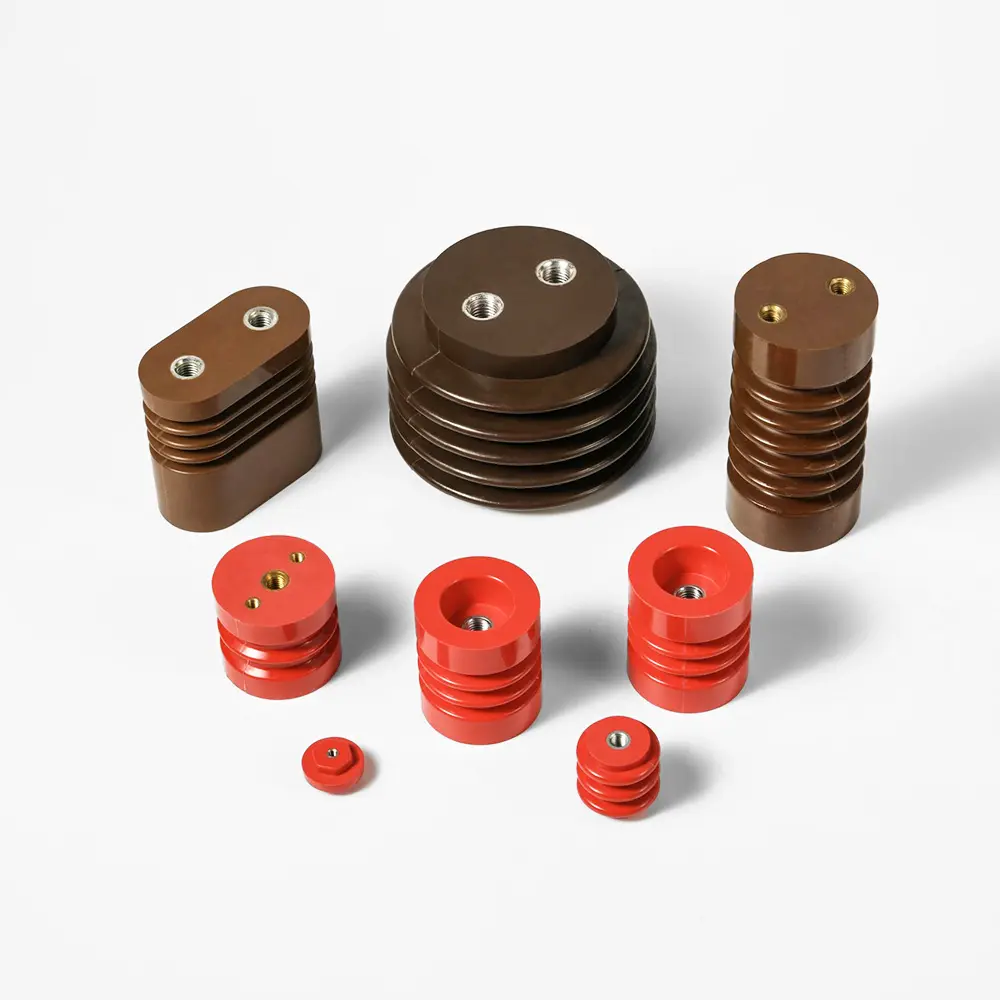
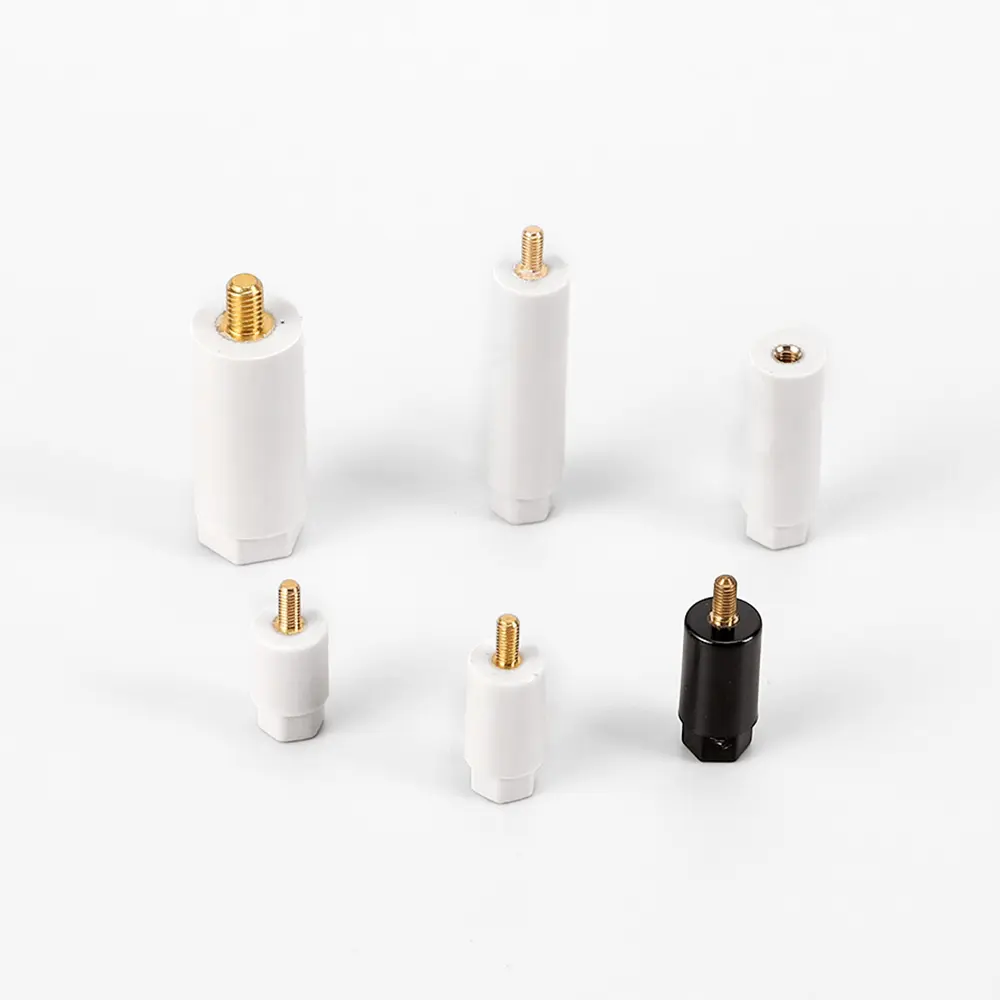
Explore our standard insulator series catalog engineered for diverse voltage classes, switchgear geometry, and mechanical loading requirements.

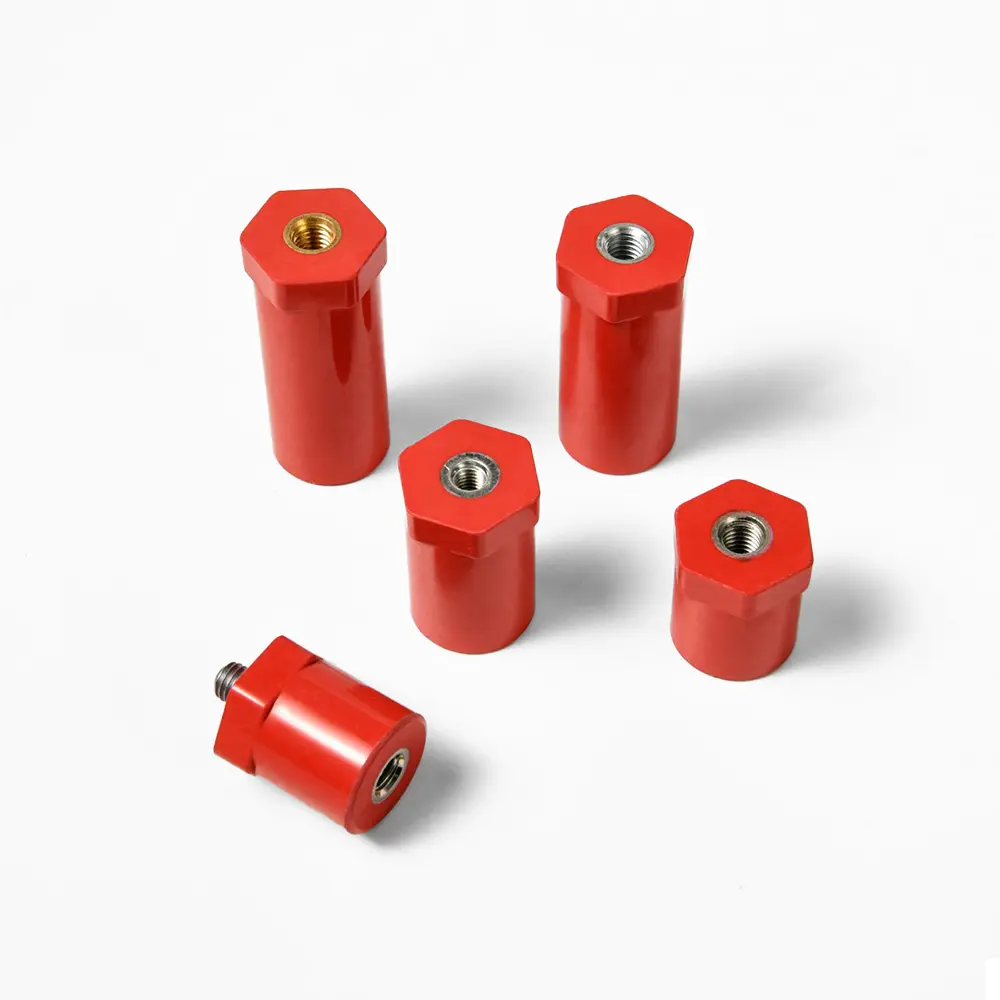
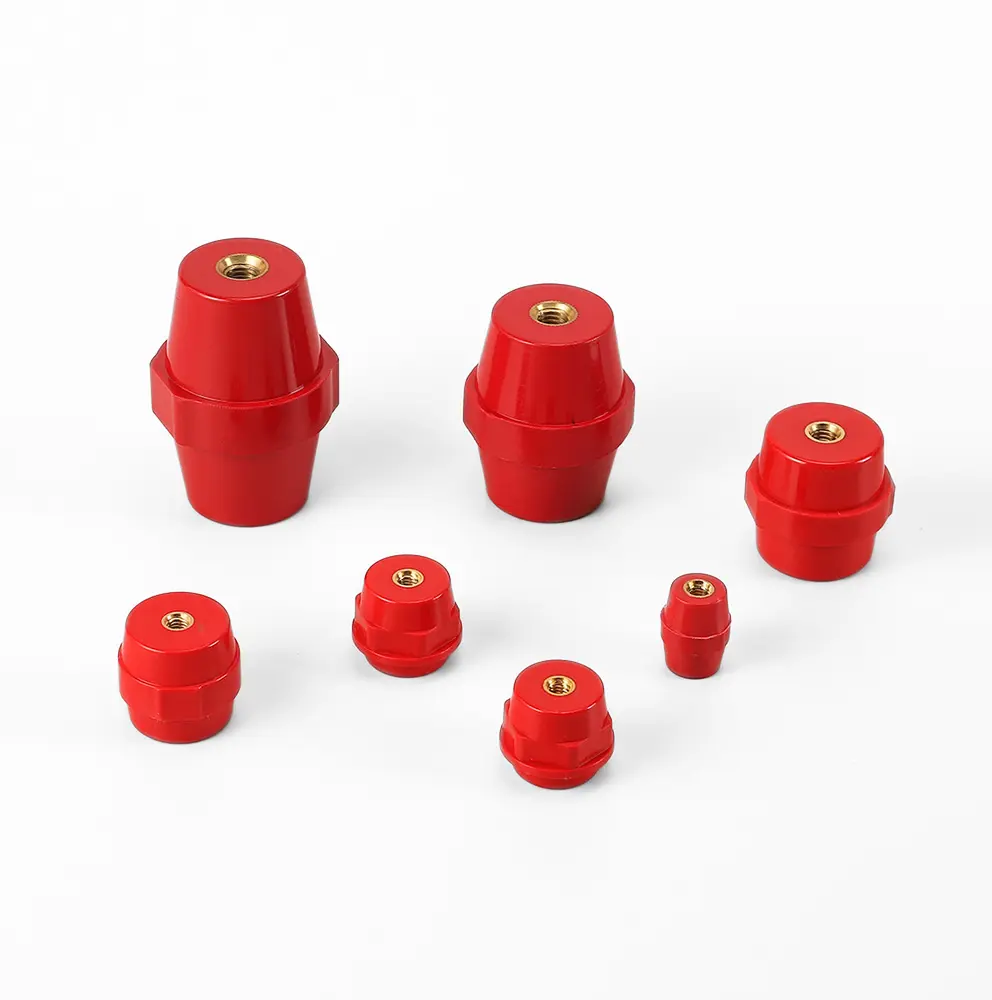
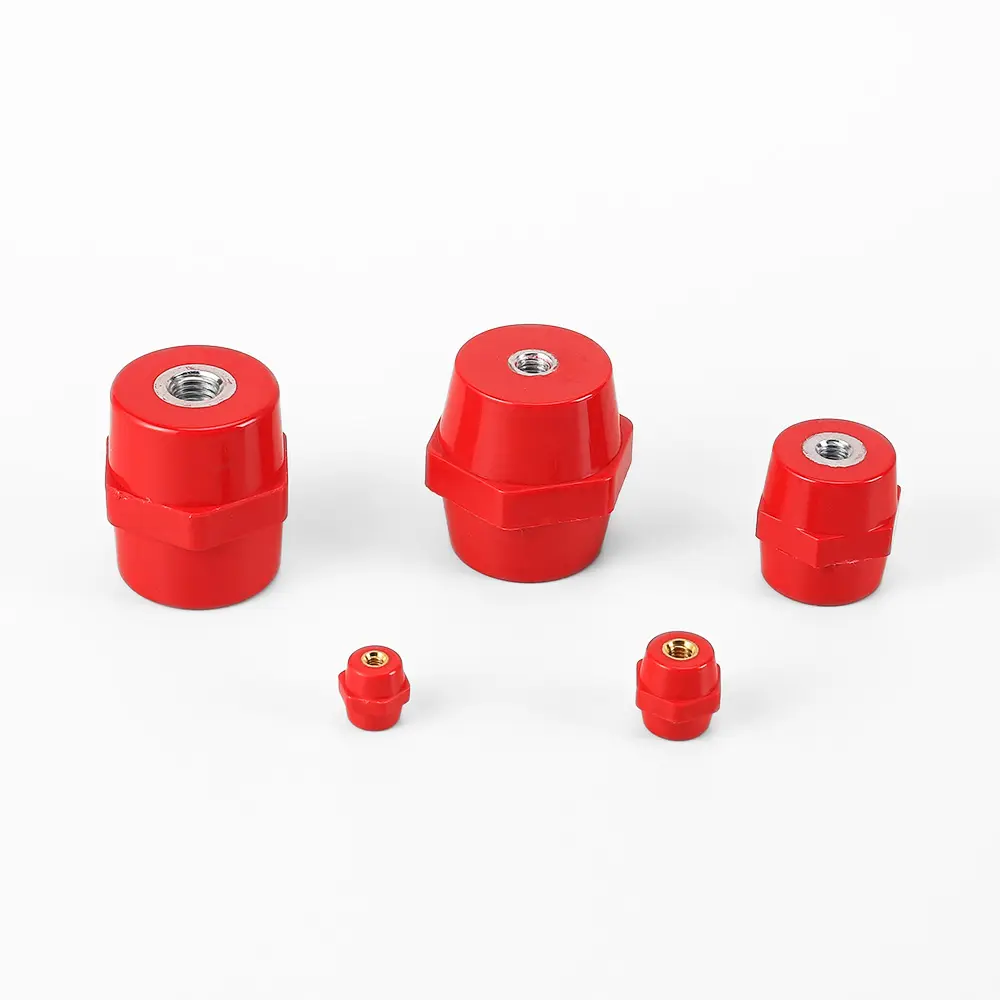

Tailored composite insulation solutions engineered to withstand aggressive operational environments across modern power generation and heavy industrial networks.

Standoff insulators provide mechanical busbar support, preventing short-circuit electromagnetic repulsion collapse in primary distribution switchboards and secondary compact substations.

High dv/dt voltage spikes generated by modern VFD inverters require insulators with ultra-high CTI and superior high-frequency dielectric loss characteristics to mitigate thermal runaway.
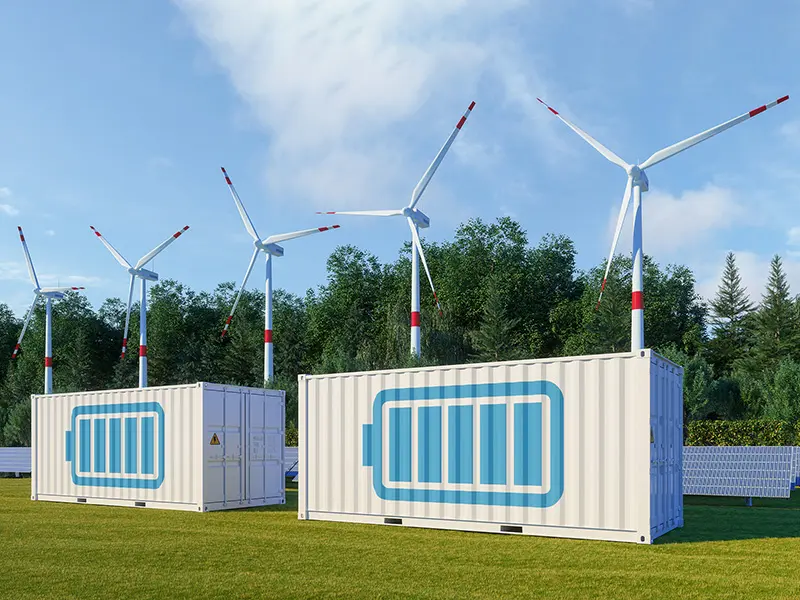
Containerized battery storage units experience intense thermal cycling and high continuous DC currents. Our flame-retardant (UL 94-V0) insulators guarantee isolation across rack busbars.

Engineered for nacelle and tower-base substations, Flyaford insulators endure continuous dynamic vibrations, torsional stress, and corrosive marine salt spray environments.
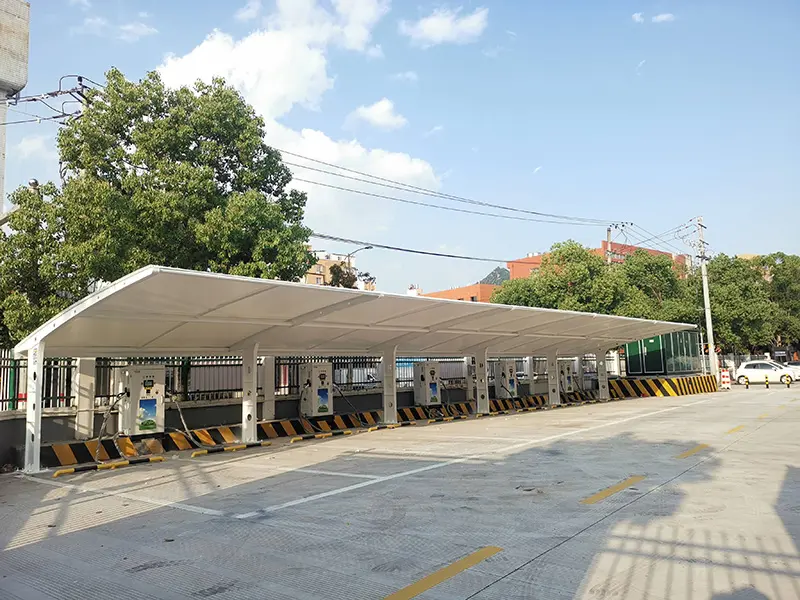
Meeting strict IATF 16949 automotive standards, our customized BMC/EMC components insulate high-voltage DC fast-charging stations and onboard power distribution systems.

Central inverter stations in utility-scale solar farms utilize Flyaford standoff supports for long-term UV stability and resistance to extreme desert diurnal temperature swings.
Pioneering advanced materials, automated digital smart factories, and eco-friendly thermosetting chemistries.
The next decade of substation automation demands real-time condition monitoring. Flyaford R&D is embedding passive fiber-optic temperature sensors and micro-strain gauges directly into composite insulator bodies during compression molding to enable predictive maintenance and fault detection.
Aligning with global ESG policies, our material scientists are developing next-generation bio-based resin binders and 100% halogen-free flame retardant BMC compounds that minimize carbon footprint during synthesis while retaining CTI 600 insulation ratings.
Through digital real-time monitoring, automated insert loading, and closed-loop process parameters, Flyaford smart factories achieve end-to-end component traceability, scaling daily output beyond 200,000 pieces with defect rates guaranteed under 100 PPM.
With over 20 years of expertise in insulator OEM/ODM customization, Flyaford delivers end-to-end engineering from mold tooling design to global export.
Comprehensive review of customer switchgear drawings, voltage class, thermal thresholds, and mechanical loading requirements.
In-house CAD/CAM tooling, hardware insert design, and material formulation selection (BMC, EMC, or PF resin).
Rapid sample supply followed by rigorous laboratory verification including 300kV lightning impulse and thermal shock tests.
Automated compression molding with 100% full visual and electrical insulation inspection under ISO9001 quality loops.
Detailed product specification consulting, customized CAD rendering, free evaluation sample supply, and rapid commercial quotation delivery.
Remote and on-site technical support with rapid query response within 2 hours. Full product replacement or return warranty coverage for quality assurance during operational lifecycle.
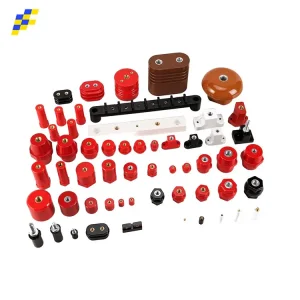
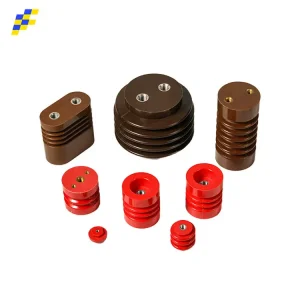
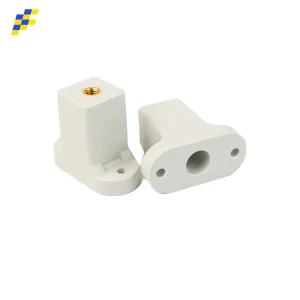
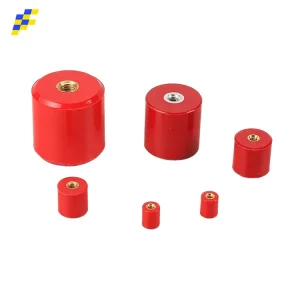
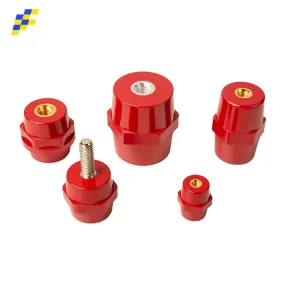
Select from our extended catalog of CE-certified standoff insulators and busbar accessories for modern power infrastructure projects.
Expert engineering answers to common procurement, compliance, and material selection questions for substation design engineers and buyers.
CE Certification ensures that composite standoff insulators comply with rigorous European Union health, safety, and environmental protection standards. Specifically for electrical equipment, it validates compliance with Low Voltage Directive (LVD) insulation standards, IEC/EN 60664-1 clearance and creepage parameters, and flame retardancy thresholds. This compliance guarantees safe operation under fault overvoltages and protects substation operators.
Bulk Molding Compound (BMC) and Sheet Molding Compound (DMC) composite insulators offer superior impact strength, eliminating the fragile shattering hazards of porcelain during transport or mechanical stress events. Additionally, composite insulators provide lighter weight, high dimensional precision for threaded brass inserts, excellent arc tracking resistance (CTI 600), and lower overall maintenance costs in polluted or high-vibration environments.
Flyaford achieves ultra-low defect rates through our fully automated smart factory setup, operating under strict IATF 16949 and ISO 9001 quality management systems. Process controls include automated raw material metering, digital molding pressure/temperature monitoring, 100% full electrical withstand testing, and automatic optical inspection (AOI) of hardware inserts prior to final packaging.
Yes. As a direct manufacturer with an in-house tooling center and 26 utility patents, Flyaford provides full OEM and ODM customization. We can engineer custom shapes, specific height profiles, extended creepage distances for high-pollution zones, and custom insert configurations (M6 to M20 metric or imperial threads in brass, steel, or stainless steel).
Our insulators undergo rigorous environmental validation in our state-of-the-art testing facility. This includes High-Low Temperature Thermal Shock testing (-40°C to +140°C), continuous environmental chamber testing down to -86°C and up to +300°C, Double 85 damp heat endurance (85°C at 85% relative humidity), and salt spray corrosion testing to ensure flawless performance in desert, arctic, or offshore environments.
Every commercial dispatch includes comprehensive factory test certificates (FTC), material test reports compliant with ROHS 2.0 and REACH, CE declarations of conformity, and UL material verification sheets upon customer request.
Empower your substation projects with certified, ultra-reliable standoff insulators and busbar supports. Contact our expert engineering team for customized drawings, technical quotes, and evaluation samples.