 Flyaford
Flyaford
Flyaford
Engineered for High Altitude, High Seismic Zones, and Extreme Ambient Conditions
Chile stands as South America’s technological and industrial beacon for energy transition and heavy mineral extraction. With ambitious national goals targeting 100% clean electricity by 2050 and massive infrastructure upgrades under the Coordinador Eléctrico Nacional (CEN) and Superintendencia de Electricidad y Combustibles (SEC), the reliability of medium and low-voltage electrical distribution networks has become a national economic priority.
From the hyper-arid Atacama Desert in the north—boasting the highest solar irradiance on Earth—to the heavy industrial copper and lithium operations in Antofagasta and Calama, electrical components face extreme thermal swings, intense ultraviolet radiation, corrosive airborne salts, and severe seismic stresses. Within switchgear cabinets, transformer stations, frequency conversion units, and Battery Energy Storage Systems (BESS), SEP Series Standoff Insulators serve as critical structural and dielectric anchors. This technical whitepaper explores the engineering parameters, material science advancements, and localized compliance metrics required for SEP series insulators serving major industrial EPCs and power distribution integrators in Chile.
Traditional porcelain or standard epoxy standoff insulators historically used in low-voltage switchboards suffer from distinct vulnerabilities when subjected to Chile’s unique environmental footprint. Thermal shock causes microscopic fractures in porcelain, while low-grade epoxy prone to tracking under high dust accumulation leads to catastrophic arc-over events.
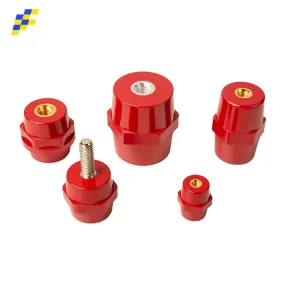
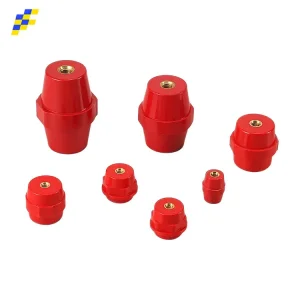
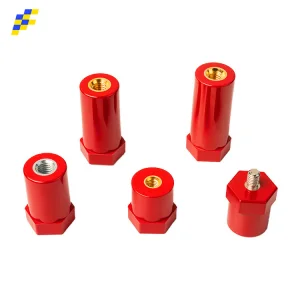
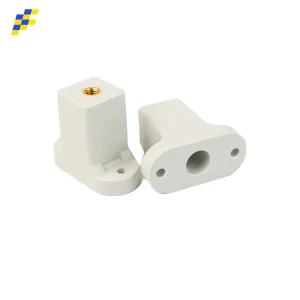
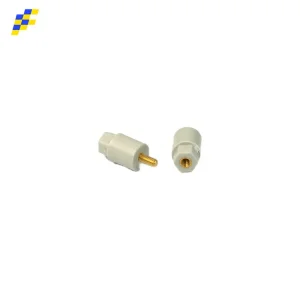
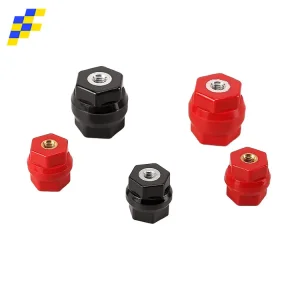
The SEP Series Standoff Insulators manufactured by Zhejiang Flyaford Electron Co., Ltd. utilize high-density Bulk Molding Compound (BMC) and Sheet Molding Compound (SMC) formulations reinforced with thermosetting unsaturated polyester resin and structural glass fiber matrices. Key mechanical and electrical enhancements include:
Formulated with non-tracking inorganic fillers, SEP insulators achieve a Comparative Tracking Index (CTI) of 600V (Group I), virtually eliminating surface creepage breakdowns even in dusty mining switchgear.
Engineered with ductile brass/steel inserts anchored via thermal-compression molding, providing high cantilever and torsional strength capable of absorbing Grade 8+ seismic accelerations typical in Chilean power grids.
Self-extinguishing polymer matrix compliant with international safety standards, ensuring zero flame propagation in enclosed inverter panels or indoor high-voltage distribution cubicles.
| Performance Parameter | SEP Series (Flyaford Thermosetting BMC) | Standard Epoxy Resin Insulators | Traditional Electrical Porcelain |
|---|---|---|---|
| Dielectric Strength (kV/mm) | 20 - 25 kV/mm | 16 - 18 kV/mm | 10 - 15 kV/mm |
| Comparative Tracking Index (CTI) | ≥ 600 V (UL 746A) | 300 - 400 V | ≥ 600 V |
| Tensile & Torsional Tolerance | High (Ductile insert bonding) | Moderate (Prone to insert cracking) | Low (Brittle under shear forces) |
| Operating Temp Range | -40°C to +140°C | -20°C to +105°C | -50°C to +200°C |
| Altitude Derating Performance | Extensive creepage margin for >4,000m | Standard creepage, higher arc risk | Requires massive size scaling |
| Seismic Shock Resilience | Superior dynamic energy absorption | Moderate resilience | Poor (High risk of catastrophic shear) |
As a key vendor powering Latin American infrastructure, Zhejiang Flyaford Electron Co., Ltd. supplies custom and standardized SEP insulator configurations to original equipment manufacturers (OEMs) and panel builders across Chile’s core economic sectors:
Chile produces over 25% of the world’s copper and holds vast lithium reserves in the Salar de Atacama. Processing plants operate continuously under heavy particulate contamination, acidic fumes, and intense vibration from crushing machinery. SEP series standoff insulators are deployed inside medium-voltage motor control centers (MCCs), variable frequency drive (VFD) cabinets, and high-current busbar supports, ensuring zero flashovers despite ambient dust loading.
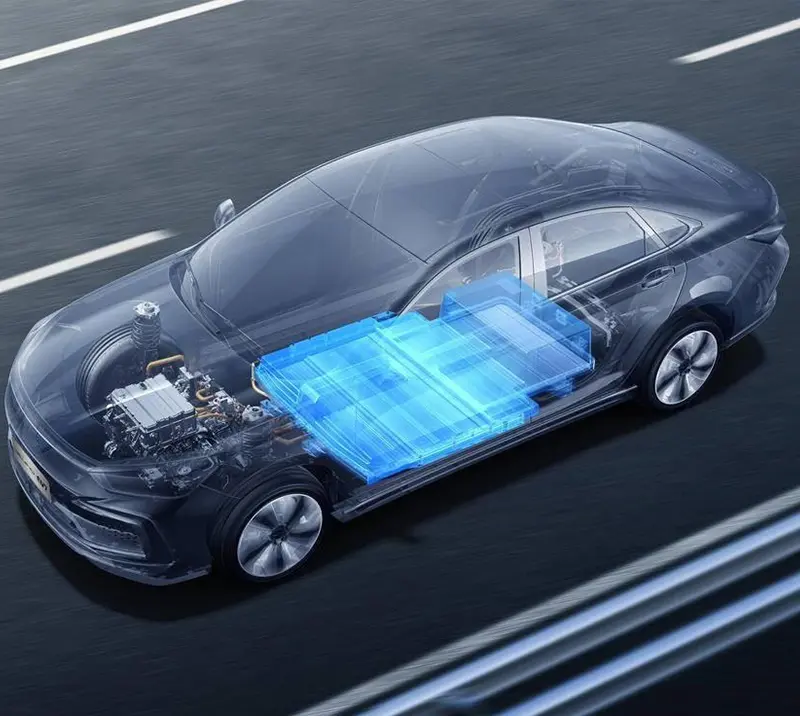
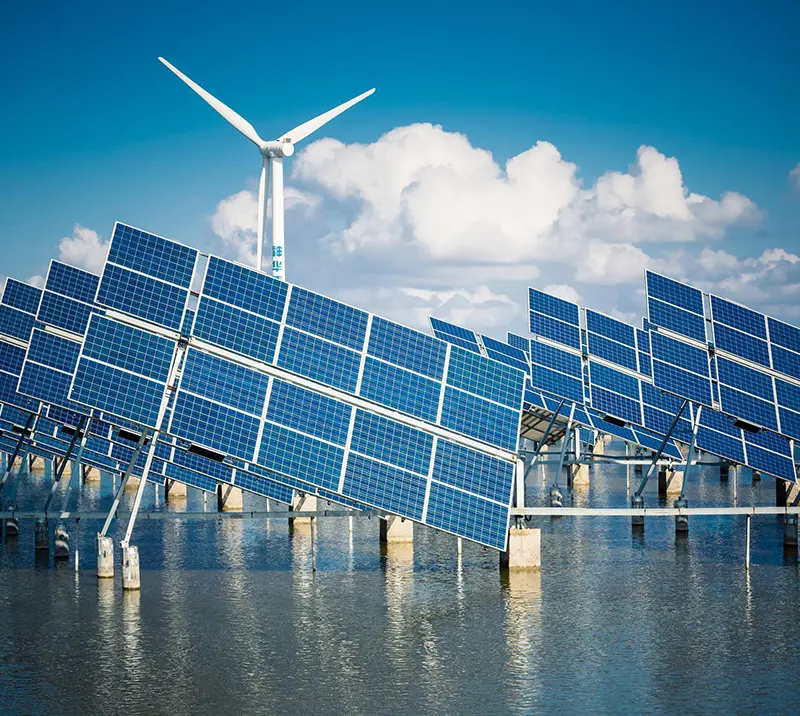
Utility-scale solar farms in northern Chile generate DC power converted at central inverter stations. SEP series insulators support positive and negative busbars inside 1000V/1500V DC solar combiner boxes and energy storage battery racks (BESS). Their low partial discharge ratings and high thermal stability handle peak mid-day ambient temperatures exceeding 45°C inside metal enclosures without structural degradation.
Desalination plants and container terminals along Chile's coastline suffer from constant salt-laden mist (marine spray). Standard insulation degrades rapidly via electrolytic tracking. The hydrophobic properties of Flyaford’s BMC composite materials prevent conductive moisture films from forming across the insulator body, maintaining grid uptime for critical maritime operations.
Expansion of the Santiago Metro system and urban distribution networks demands compact switchgear designs with high fault-current withstand capability. SEP insulators offer exceptional mechanical cantilever strength, allowing electrical engineers to minimize busbar spacing while adhering to stringent IEC 60273 clearance standards.
Zhejiang Flyaford Electron Co., Ltd. - Empowering Global Power Systems Since 2007
Located in the Jinyi New District of Jinhua City, Zhejiang Province, Zhejiang Flyaford Electron Co., Ltd. spans a modern 35,000 square meter industrial complex. Recognized as a "National High-Tech Enterprise" and "Zhejiang Provincial Specialized, Refined, Distinctive, and Innovative SME", the company combines digital automation with rigorous material testing to supply world-class power insulation components.
Fully compliant with international quality management systems including IATF 16949 (Automotive Standard), ISO 9001, ISO 14001, CE EU Safety, UL Certification, and environmental compliance under RoHS 2.0 & REACH.
Equipped with microcomputer torsion testers (0-500N.m), universal testing machines (0-200KN), partial discharge test chambers (0-120KV), lightning impulse units (0-300KV), and high-low temperature thermal shock test chambers (-40°C to +140°C).
With over 60 automatic molding compression presses and 20+ specialized testing devices, Flyaford maintains a daily output exceeding 200,000 pieces with an ultra-strict product defect rate below 100 PPM.
Navigating electrical imports into Chile requires strict adherence to national and international norms. The Superintendencia de Electricidad y Combustibles (SEC) mandates rigorous safety verification for low and medium voltage apparatus entering the local market.
Seamless Logistics to Chilean Ports: Flyaford establishes streamlined shipping routes to major Chilean maritime gateways including Valparaíso, San Antonio, and Antofagasta. With standardized export packaging, complete material test certificates (MTC), and full customs documentation (Form ICO / Certificate of Origin), we enable fast-track clearance for urgent EPC project schedules.
As Latin America accelerates its transition toward smart grids, microgrids, and high-voltage direct current (HVDC) transmission lines (such as the Kimal-Lo Aguirre project in Chile), the operational demands on standoff insulators continue to evolve. Flyaford's ongoing engineering roadmap focuses on:
Integrating nano-silica and graphene oxide additives into polyester resins to further increase thermal conductivity while boosting mechanical shear strength by 35% without adding physical weight.
Developing next-gen SEP insulators embedded with wireless temperature and partial discharge sensors, providing real-time telemetry to SCADA systems in remote Atacama solar plants.
Technical & Commercial Insights for Chilean Electrical Engineers and OEM Buyers
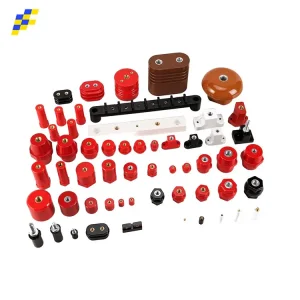
Comprehensive Product Portfolio Certified for Global & Latin American Electrical Infrastructure
Proven Reliability in Extreme Environment Deployment Worldwide


Looking for high-performance, SEC-ready standoff insulators for your next power distribution or mining project in Chile? Contact our senior application engineers today.
Send Inquiry Now