 Flyaford
Flyaford
Flyaford
Engineered for high dielectric strength, superior short-circuit withstand performance, and UL94-V0 flame retardancy.

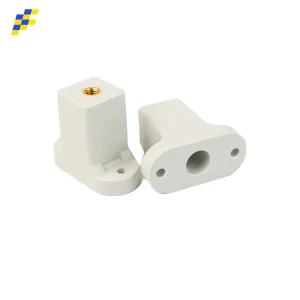
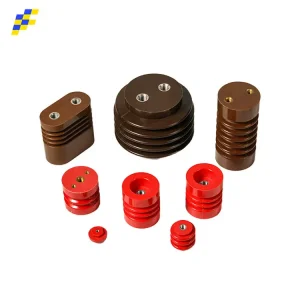
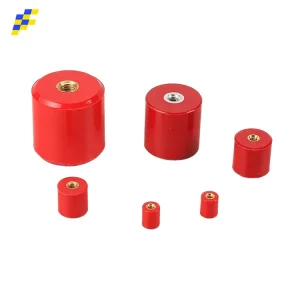
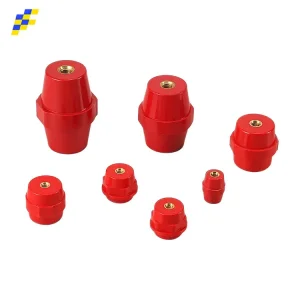
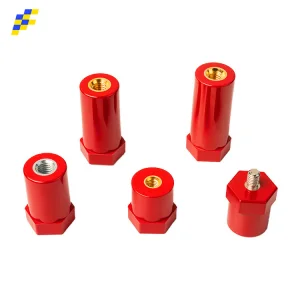
As global energy architectures pivot toward electrification, ultra-high current density, and localized grid resilience, the reliance on high-performance busbar mount insulators has escalated from basic structural isolation to a critical engineering requirement. Modern low-voltage (LV) and medium-voltage (MV) systems demand standoff insulators capable of resisting continuous thermal degradation, immense electrodynamic short-circuit forces, and aggressive environmental contaminants.
The global busbar mount insulator market is undergoing a structural revolution. Driven by rapid expansion in Battery Energy Storage Systems (BESS), solar PV installations, EV fast-charging corridors, and megawatt-scale data centers, electrical equipment OEMs require custom-engineered thermosetting composite insulators that outshine traditional porcelain or low-grade thermoplastics.
In high-power switchgear and distribution boards, busbars act as the central arterial network. Insulators mounted to support these busbars must maintain precise mechanical alignment and exceptional creepage distances under intense vibration and temperature swings ranging from -40°C to +140°C. Leading global manufacturers and B2B buyers now prioritize suppliers capable of offering direct OEM/ODM customization, micro-crack prevention, IATF 16949-certified automotive-grade manufacturing precision, and strict compliance with UL94-V0 flame-retardant standardizations.
Understanding material selection is essential for procurement directors and power distribution engineers. Below is an engineering comparison of primary composite formulation types utilized in modern standoff insulator manufacturing:
| Material Formulation | Dielectric Strength (kV/mm) | Tensile Strength (MPa) | Thermal Resistance (°C) | Flame Retardancy Rating | Primary Industrial Application |
|---|---|---|---|---|---|
| BMC (Bulk Molding Compound) | 18 - 24 kV/mm | 50 - 75 MPa | -40 to +160 °C | UL94 V-0 (Self-Extinguishing) | LV/MV Switchgear, BESS Inverters, Transformers |
| DMC (Dough Molding Compound) | 15 - 20 kV/mm | 40 - 65 MPa | -30 to +140 °C | UL94 V-0 / V-1 | General Power Distribution Boards, Busbar Supports |
| EMC (Epoxy Molding Compound) | 22 - 30 kV/mm | 80 - 120 MPa | -50 to +180 °C | UL94 V-0 High Precision | Automotive EV Battery Packs, Substation Switchgear |
| PF (Phenolic Resin Composite) | 12 - 16 kV/mm | 35 - 55 MPa | -20 to +130 °C | UL94 V-0 Low Toxicity | Legacy Industrial Machinery, Railway Signal Boxes |
When specifying wholesale busbar standoff insulators, engineers must calculate specific electrical and mechanical stress vectors to guarantee 25+ years of operational longevity without catastrophic flashovers.
Designed with deep outer ribbed ridges (petticoats) to maximize surface creepage pathways. This geometry inhibits conductive tracking paths caused by surface condensation, industrial dust accumulation, and atmospheric pollutants in harsh environments.
During short-circuit faults, magnetic forces between adjacent copper/aluminum busbars exert massive mechanical peak forces. Flyaford insulators utilize high-tensile brass and steel threaded inserts embedded directly into high-density BMC matrices to prevent insert pull-out.
Internal voids or micro-air bubbles within low-grade composite insulators cause partial discharge under medium voltage stress, leading to breakdown over time. Our precision compression molding ensures zero internal void formation verified by 0-120kV PD screening.
The electrodynamic peak force ($F_p$) acting on a busbar insulator during a three-phase short-circuit condition is calculated via IEC 60865-1 guidelines:
Where i_p represents peak short-circuit current, l is distance between insulator supports, and a is center-to-center phase distance. Our SB, SM, and SEP series standoff insulators are batch-tested against 0-500N.m microcomputer torsion machines and 0-200KN universal tension testers to guarantee maximum safety headroom.
Established in 2007, Zhejiang Flyaford Electron Co., Ltd. is situated in the Jinyi New District of Jinhua City, Zhejiang Province. Spanning a modern 35,000 square meter standardized production facility, Flyaford has established itself as a premier global leader in low-voltage to medium-voltage electrical insulation solutions.
Equipped with over 60 automated compression molding machines, more than 20 advanced testing systems, and a dedicated team of over 120 skilled technical staff, Flyaford maintains a daily output exceeding 200,000 units with an ultra-strict defect rate maintained below 100 PPM.
As a recognized National High-Tech Enterprise and Zhejiang Provincial "Specialized, Refined, Distinctive, and Innovative" (SRDI) SME, Flyaford operates the municipal-level Jinhua Feifav High-Performance Insulator Science and Technology R&D Center. We maintain long-term technical research collaborations with top academic institutions including Tsinghua University, serving as their designated custom insulator manufacturing partner.

Every busbar mount insulator manufactured by Flyaford undergoes full electrical and dimensional inspection under rigorous global standard frameworks.

IATF 16949 / ISO 9001
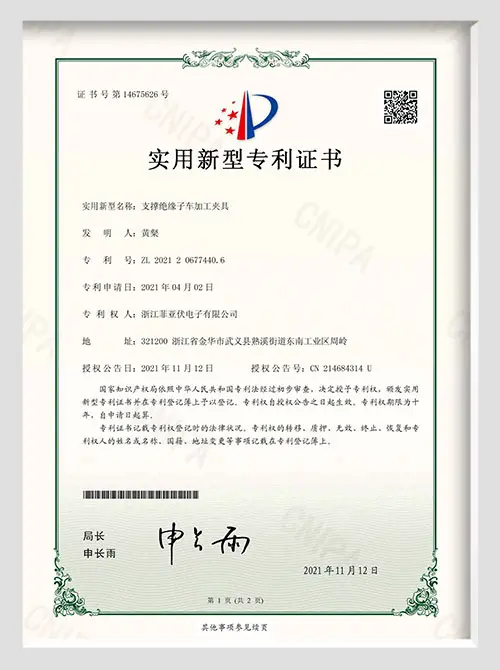
UL Flame Retardant

CE EU Safety

ROHS 2.0 & REACH
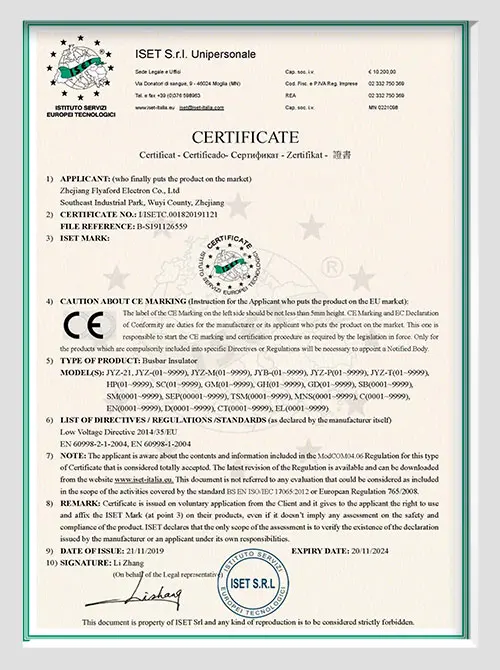
ISO 14001 EMS
To support high-stakes applications in nuclear power, high-speed rail, and aerospace energy conversion, Flyaford maintains a state-of-the-art laboratory equipped with high-precision instruments capable of simulating extreme environmental stress:
Microcomputer Torsion Test Machine (0-500N.m) and Universal Materials Testing Machine (0-200KN) measure real-time mechanical pull-out strength of embedded brass inserts.
Partial Discharge Testing Chamber (0-120KV), Lightning Impulse Simulator (0-300KV), and Voltage Withstand Testers (0-100KV) ensure zero dielectric leakage.
Double 85°C Test Chambers, Thermal Shock Chambers (-40°C to +140°C), and High-Temperature Ovens (0-300°C) evaluate long-term composite thermal degradation.
Vertical & Horizontal Burning Test Chambers, Arc Resistance Testers, Ball Pressure Devices, and ROHS Chemical Analyzers verify complete material integrity.
Flyaford busbar standoff insulators are designed to address the specific environmental stresses of diverse global industrial deployments:

Designed for compact MNS, GCS, and GGD low-voltage switchboards and medium-voltage air-insulated switchgear (AIS). Provides stable isolation between main horizontal busbars and vertical distribution branches under continuous heavy load.
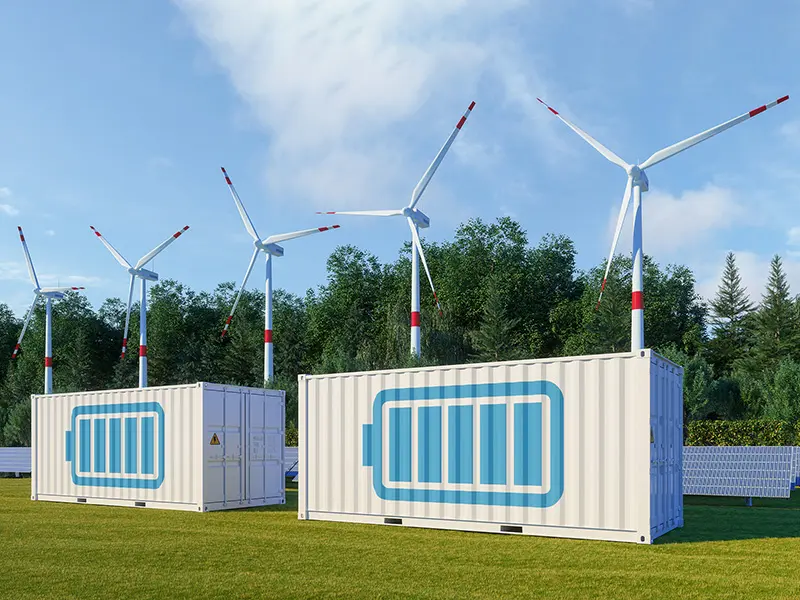
In high-capacity lithium-ion BESS container units, busbar insulators support DC bus racks connecting power conversion systems (PCS). Our BMC formulations withstand continuous heat dissipation and electrical ripple stresses.

Offshore and onshore wind turbine nacelles endure constant mechanical vibration and salt-mist corrosion. Flyaford SEP and SM series insulators feature anti-tracking surface coatings resistant to marine air environments.
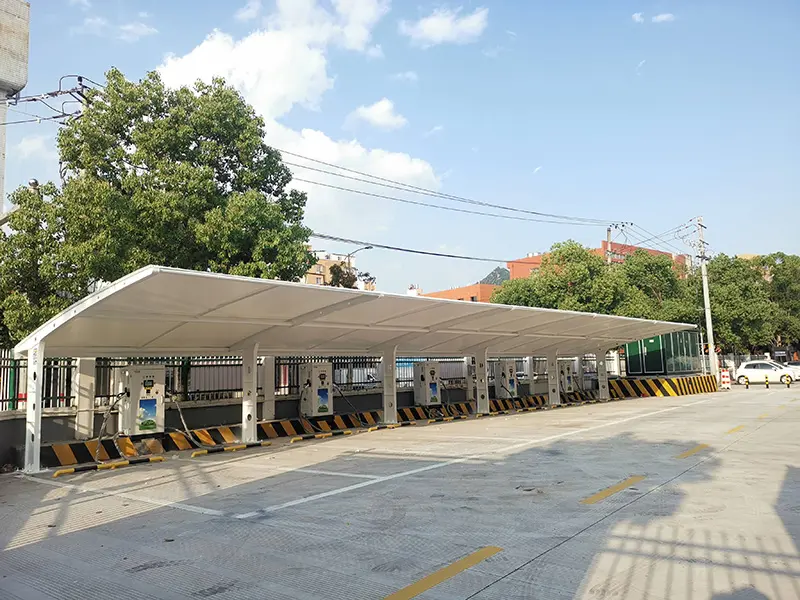
High-power fast chargers (350kW+) operate under high DC currents. Our custom BMC and EMC standoff insulators protect internal DC busbars against arc tracking and mechanical expansion caused by rapid thermal cycling.
With over 20 years of experience, our senior engineering team delivers tailor-made standoff insulators based on your specific drawing tolerances, thread configurations, and mounting geometries.
We review your operational environment, system voltage rating, short-circuit withstand needs, space constraints, and insert thread types (M6, M8, M10, M12, M16, UNC/UNF).
Selection of optimized BMC, DMC, EMC, or PF thermosetting matrix. Direct engineering input for custom mold design and hardware insert knurling pattern to maximize torque resistance.
In-house tooling allows rapid production of evaluation samples. Physical sample testing includes tensile pull testing, flame resistance verification, and high-voltage flashover testing.
Automated compression molding across 60+ production lines. Real-time digital parameter control ensures full traceability and batch-to-batch consistency under IATF 16949 controls.
As power grids transition to Smart Grid 2.0 standards and Ultra-High Voltage DC (UHVDC) transmission lines, busbar mount insulator technology is evolving rapidly across three primary technological vectors:
Integration of graphene micro-flakes and silica nano-fillers into Bulk Molding Compounds (BMC) to elevate thermal conductivity while maintaining high dielectric strength, allowing faster heat dissipation from heavy busbars.
Embedding fiber-optic Bragg grating (FBG) temperature and partial-discharge sensors directly within the insulator matrix to deliver real-time predictive maintenance diagnostics for IoT-enabled data center switchgear.
Development of fully recyclable bio-derived epoxy resins and halogen-free, eco-friendly flame retardants to help global power grid operators achieve Scope 3 net-zero carbon neutrality targets.
We proudly supply custom busbar support insulators to world-renowned power equipment manufacturers and research institutions.







Get authoritative engineering answers to common procurement, manufacturing, and installation queries.
BMC (Bulk Molding Compound) features longer glass fiber lengths (6mm to 12mm) distributed uniformly compared to DMC (Dough Molding Compound). This gives BMC standoff insulators higher flexural and tensile strength, superior impact resistance, and improved dielectric properties, making BMC ideal for high-stress medium-voltage switchgear.
Flyaford utilizes microcomputer torsion testing equipment (0-500N.m) and universal tensile testing machines (0-200KN). Threaded brass and steel inserts are knurled and molded into the composite body. Testing measures the maximum axial pull-out force and rotational torque required before deformation occurs.
Yes. All standard Flyaford BMC and DMC standoff insulator series comply with UL94-V0 standards. In the event of an internal arc fault or electrical fire, the self-extinguishing material ceases burning within 10 seconds without producing flaming drips.
Absolutely. With an in-house tooling center and dedicated R&D engineering team, we customize height profiles, ribbed shed geometry, insert thread sizes (metric & imperial), and compound formulations to meet specific OEM technical drawings.
Flyaford operates under certified IATF 16949 automotive quality management and ISO 9001 quality systems. Every production batch undergoes full electrical testing and automatic dimensional inspection to maintain a defect standard under 100 PPM.
Standard catalog insulator models (SM, SB, EL, MNS, SEP, T-Type) are available from stock or produced within 7–14 business days thanks to our 200,000 Pcs/day daily output. Custom ODM mold creation and sample approval typically require 2 to 4 weeks.
Explore our full catalog of certified low and medium voltage standoff insulators manufactured for global power infrastructure.
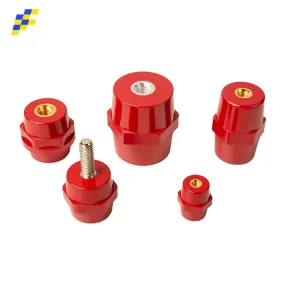
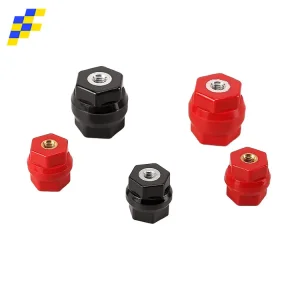
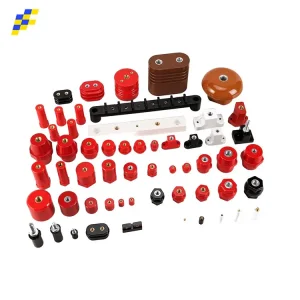
Whether you require standard SM/SB standoff insulators or custom-engineered BMC formulations for high-voltage energy storage, Flyaford delivers uncompromised quality, competitive factory pricing, and rapid worldwide fulfillment.