 Flyaford
Flyaford
Flyaford
Engineering Next-Generation Precision Polymer Insulators & High-Dielectric Standoff Components for Global Switchgear, Smart Grids & Industrial Power Infrastructure
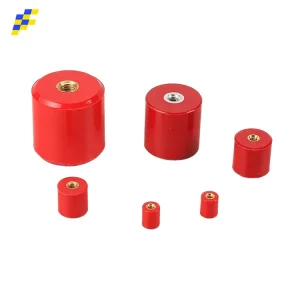
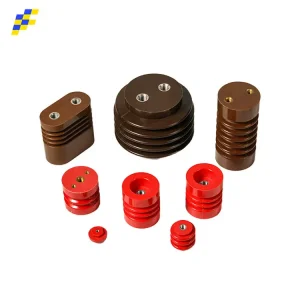
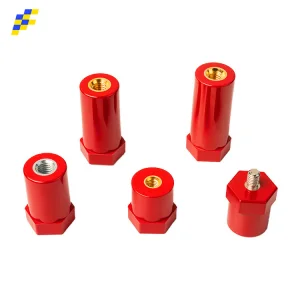
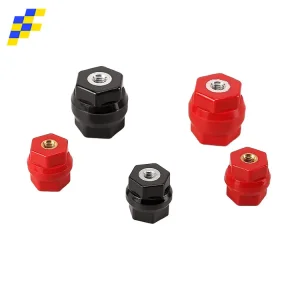

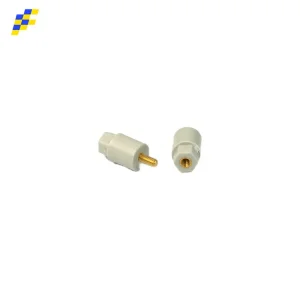
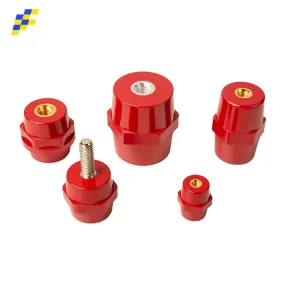
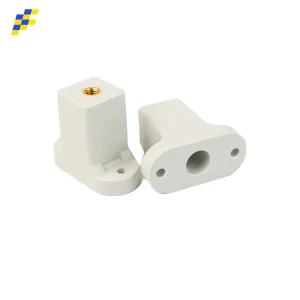
In contemporary high-density electrical grid architectures, sub-station automation networks, renewable energy storage plants, and heavy industrial distribution panels, Current Transformer Insulators (CT Insulators) stand as pivotal components ensuring system stability, galvanic isolation, and operational safety. Designed to support primary busbars, isolate high-frequency electromagnetic fields, and maintain strict creepage distances under severe environmental stress, CT insulators function under extreme dielectric, thermal, and mechanical vectors.
As global energy infrastructure transitions toward higher voltage densities, smart microgrids, and aggressive electrification, the demand for high-reliability OEM/ODM manufacturing of composite standoff insulators, busbar supports, and current transformer structural bodies has accelerated. Leading power utilities, switchgear OEMs, and EPC contracts demand verified thermosetting polymer formulations (such as Bulk Molding Compound - BMC, Sheet Molding Compound - SMC, Unsaturated Polyester Compounds - PF/EMC) engineered to survive decades of continuous electrical stress without dielectric breakdown, tracking, or thermal degradation.
The global market for current transformer insulators and switchgear busbar supports is undergoing structural changes driven by three major macroeconomic catalysts:
Rapid deployment of grid-scale battery energy storage systems (BESS), solar PV central inverters, and offshore wind turbines demands CT insulators with superior CTI (Comparative Tracking Index > 600V) and resistance to rapid thermal cycling under continuous full-load conditions.
Urban spatial constraints require switchgear manufacturers to shrink cabinet footprints. This requires CT insulators with ultra-high mechanical cantilever strength and minimal partial discharge (< 5 pC at rated voltage) despite reduced phase-to-phase separation.
Electrification in tropical, coastal, and high-altitude locations exposes busbar supports to moisture, salt spray, high humidity, and extreme ambient fluctuations. OEM buyers demand non-hygroscopic, flame-retardant (UL94-V0) composite formulations.
Selecting the optimal material chemistry is critical when designing custom ODM Current Transformer Insulators. The physical, electrical, and thermal parameters of primary thermosetting resin matrix compounds are detailed below:
| Material Classification | Dielectric Strength (kV/mm) | Tensile / Flexural Strength | Comparative Tracking Index (CTI) | Flame Retardancy Standard | Ideal Application Environment |
|---|---|---|---|---|---|
| BMC (Bulk Molding Compound) | 18 - 24 kV/mm | 140 - 180 MPa | CTI > 600 V | UL94-V0 (Halogen Free) | Medium & Low-Voltage Current Transformers, Busbar Supports, Switchgear Panels |
| DMC (Dough Molding Compound) | 15 - 20 kV/mm | 120 - 150 MPa | CTI > 500 V | UL94-V0 / HB | Standard Distribution Boxes, Industrial Control Cabinets, Terminal Blocks |
| EMC (Epoxy Molding Compound) | 25 - 32 kV/mm | 180 - 240 MPa | CTI > 600 V | UL94-V0 | High-Precision Current Transformers, High-Altitude Gas-Insulated Switchgear (GIS) |
| PF (Phenolic Resin Compound) | 12 - 16 kV/mm | 100 - 130 MPa | CTI 175 - 300 V | UL94-V0 | High-Temperature Thermal Environments, Basic Mechanical Standoff Brackets |
Founded in 2007 and headquartered in the Jinyi New District of Jinhua City, Zhejiang Province, Zhejiang Flyaford Electron Co., Ltd. represents the apex of high-precision insulation manufacturing. As a state-recognized "National High-Tech Enterprise" and "Zhejiang Provincial Specialized, Refined, Distinctive, and Innovative SME", Flyaford integrates complete vertical manufacturing from custom mold tool design to high-throughput compression molding and full laboratory qualification.

Reliability in high-voltage environments cannot be left to chance. Flyaford maintains an in-house, high-voltage testing research facility—recognized as the Jinhua Feifav High-Performance Insulator Science and Technology R&D Center. Furthermore, Flyaford maintains deep academic-industrial collaboration with elite institutions, including Tsinghua University, serving as their designated insulator development partner.
Our comprehensive testing equipment includes:
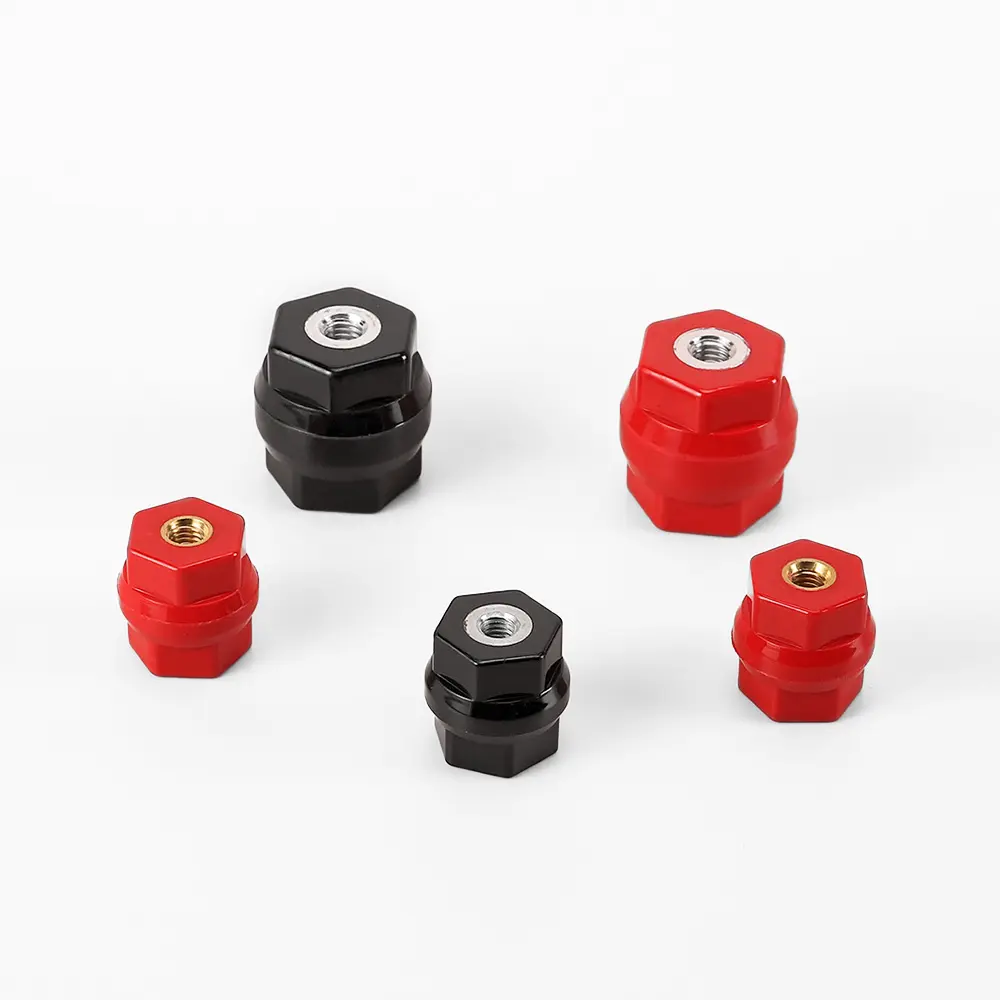
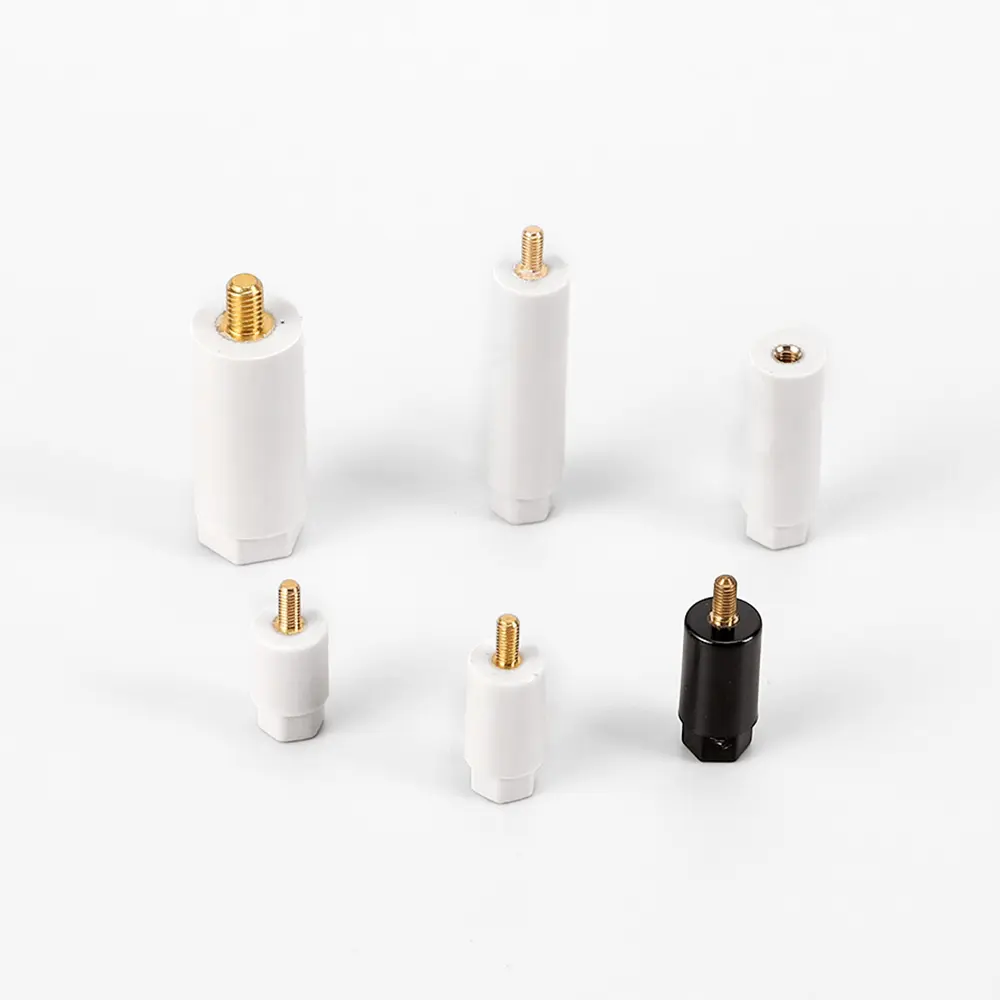
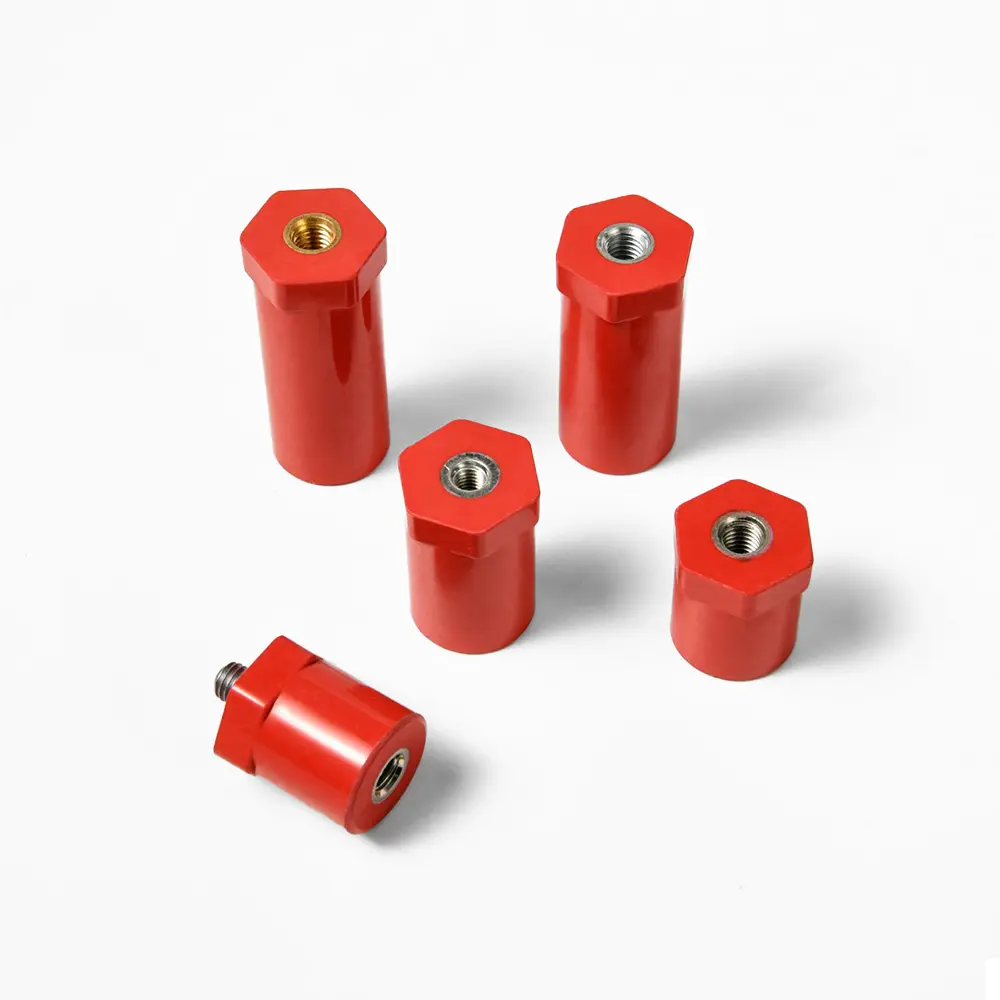
D-Type cylindrical & hex base standoff insulators engineered for robust busbar anchoring under high dynamic short-circuit mechanical stress.
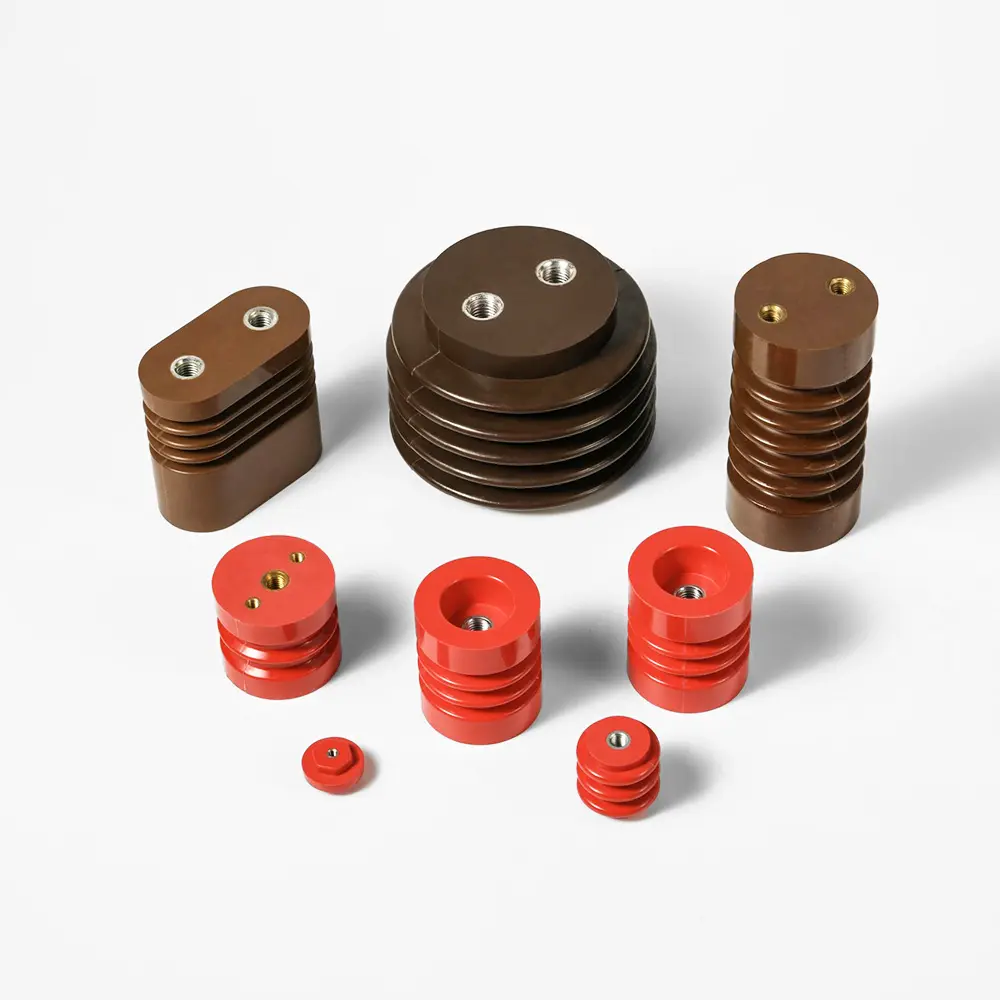
Formulated for medium to high voltage isolation, featuring extended creepage distances and anti-tracking surfaces.

Fully compatible with modular MNS low-voltage switchgear systems, delivering precise dimensional stability.
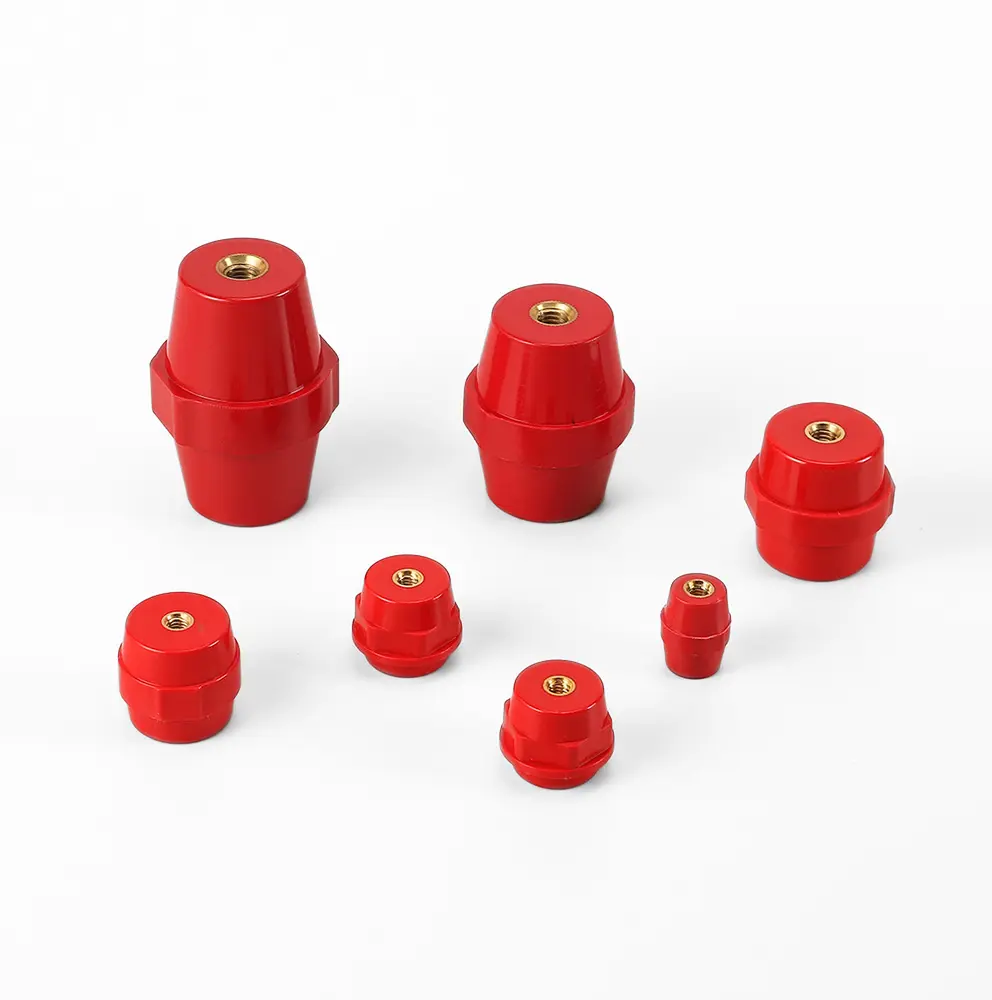
Conical and step-profile standoff insulators designed for high mechanical shear resistance in compact panels.
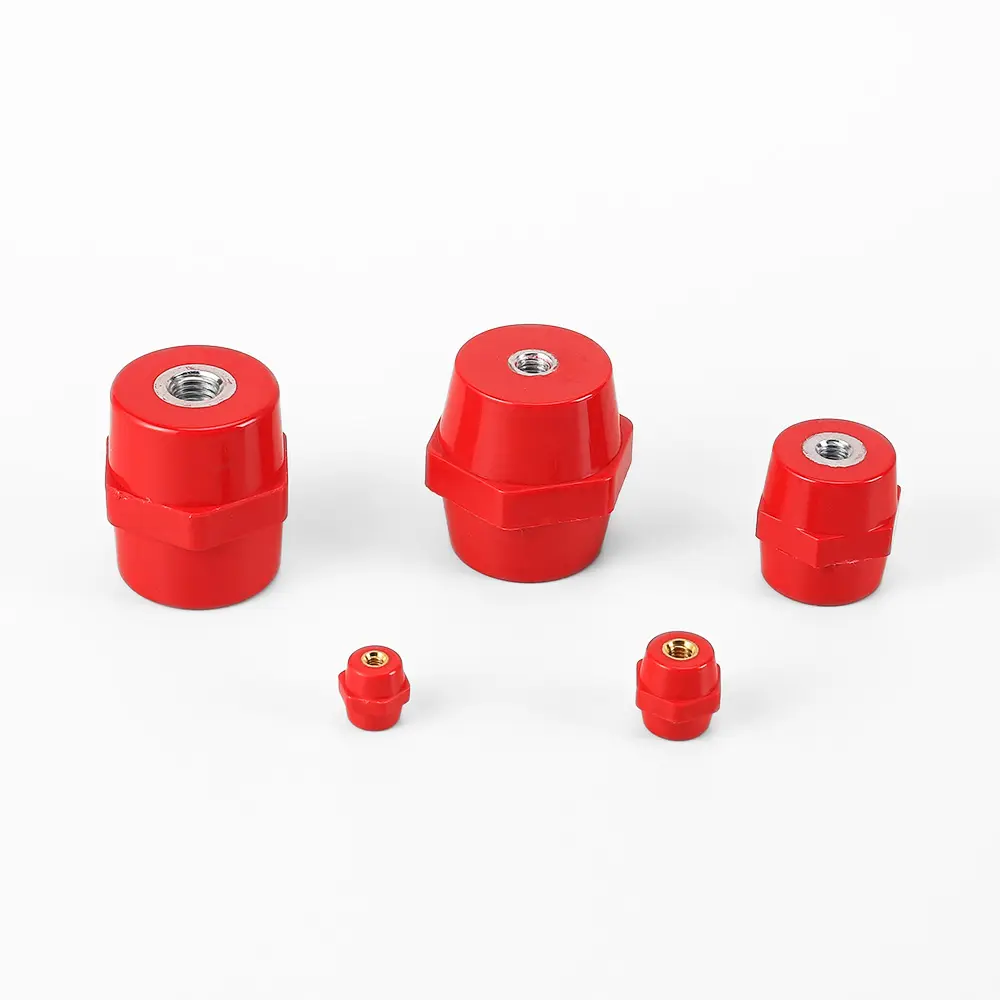
High-strength composite supports engineered specifically for current transformer primary windings and heavy busways.
Versatile threaded standoff supports widely utilized across global distribution boards and motor control centers (MCC).
Certified for marine power networks, shipboard switchboards, and harsh saline distribution environments.

Precision molded trapezoidal and T-slot supports for specialized phase separation in multi-tier busbar systems.





Providing structurally robust busbar spacing and CT mounts inside medium-voltage air-insulated (AIS) and gas-insulated (GIS) switchboards.

Suppressing high-frequency harmonic vibrations and voltage surges generated by heavy industrial variable frequency drives (VFDs).
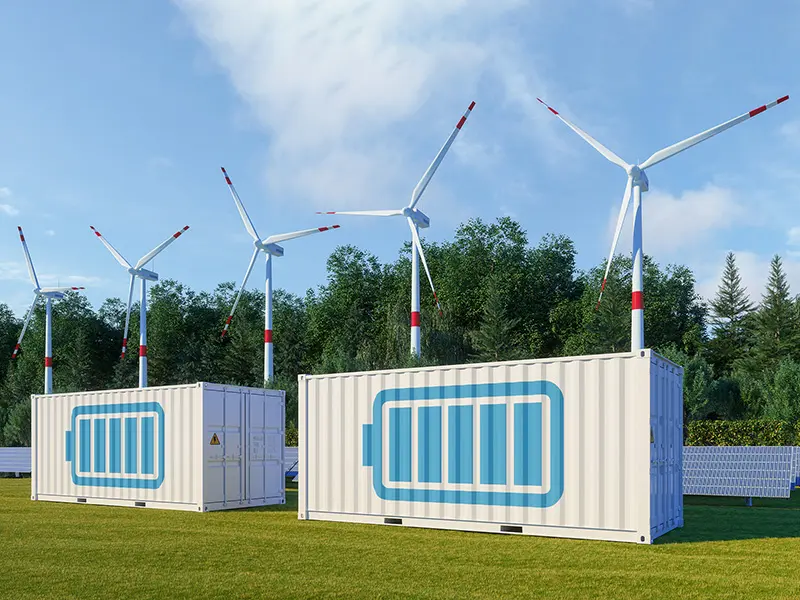
Preventing thermal runaway escalation with non-flammable composite insulation components rated UL94-V0 and CTI 600V.

Engineered to endure severe offshore mechanical shocks, continuous wind harmonics, and salt-laden humidity.
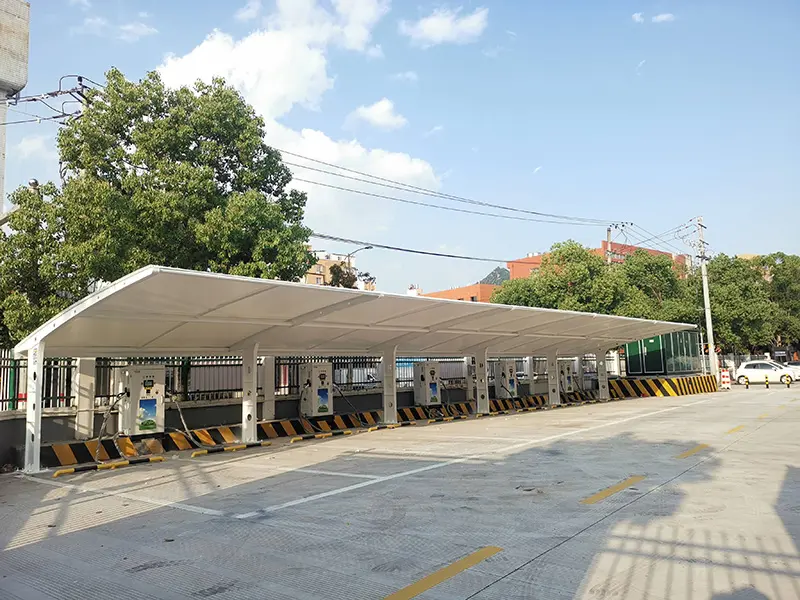
IATF 16949-compliant DC fast-charging station insulators and high-voltage power distribution unit (PDU) components.
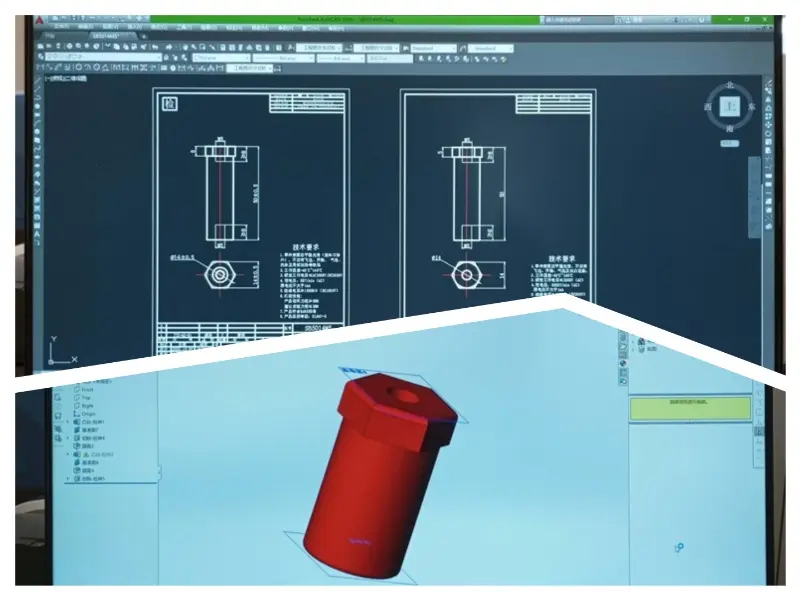
With over 20 years of technical expertise in custom polymer molding and insulator engineering, Flyaford provides end-to-end original design manufacturing (ODM) solutions for worldwide OEM client requirements. From initial CAD/FEA simulation to raw material modification and rapid toolmaking, our process delivers custom components engineered to your exact footprint and electrical parameters.
Precision mold design, hardware brass/steel insert co-molding design, stress distribution simulation, and creepage optimization.
Tailored material compounding choosing BMC, EMC, or PF matrices with specific fiber reinforcement ratios for targeted thermal expansion matching.
Fully automated 60+ molding machines operating under monitored pressure, temperature, and cure timing parameters.
Automated optical dimensioning, high-voltage flashover test, torque limit testing, and strict <100 PPM quality release.
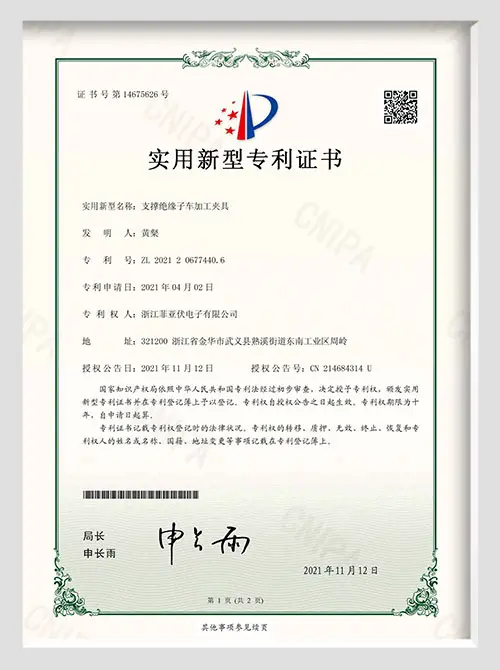
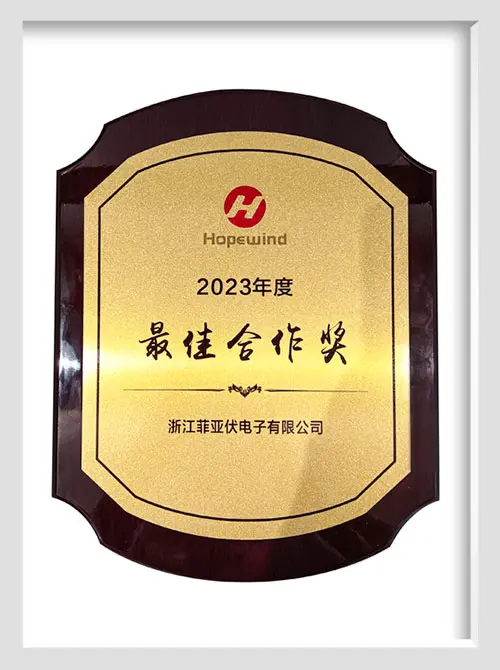
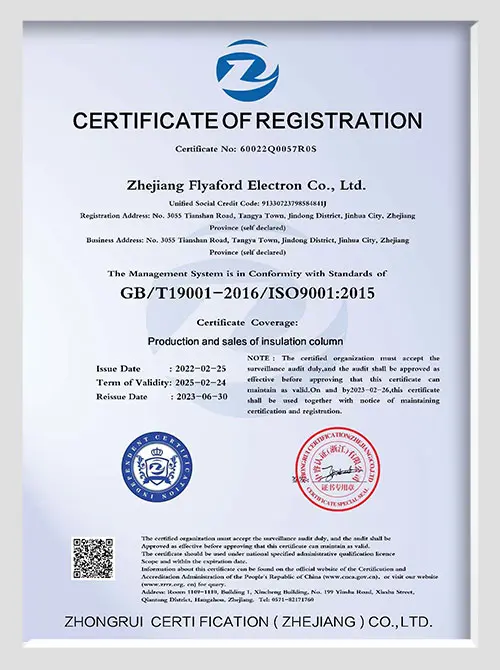
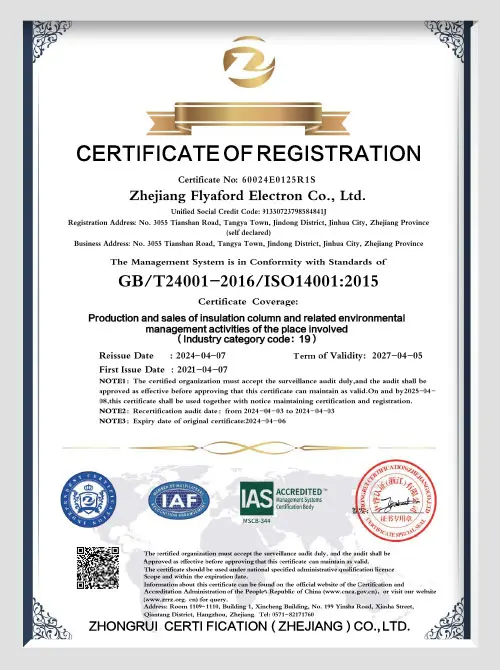
Zhejiang Flyaford Electron Co., Ltd. operates in strict compliance with globally recognized quality standards, holding full system accreditations and environmental material testing reports.


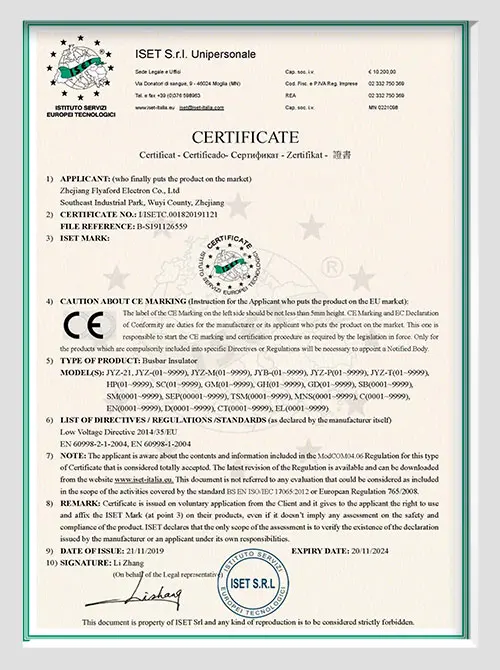
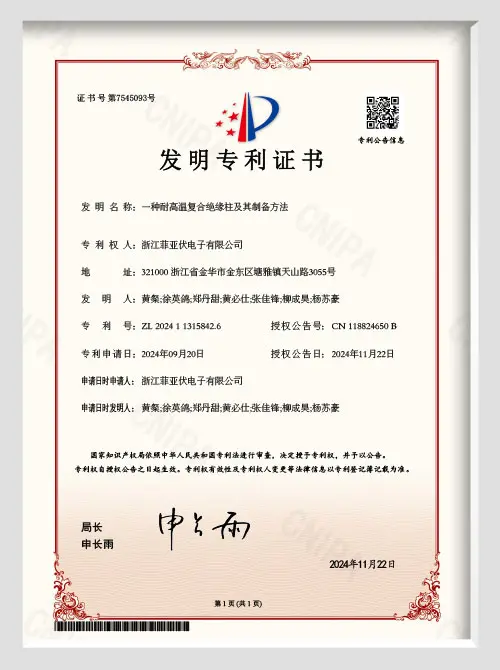

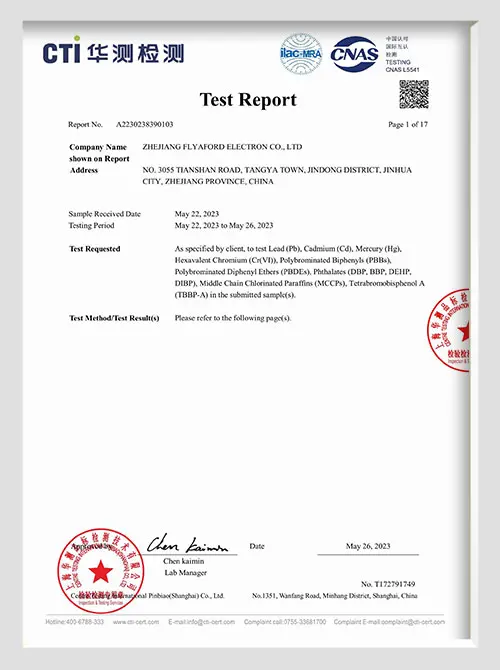

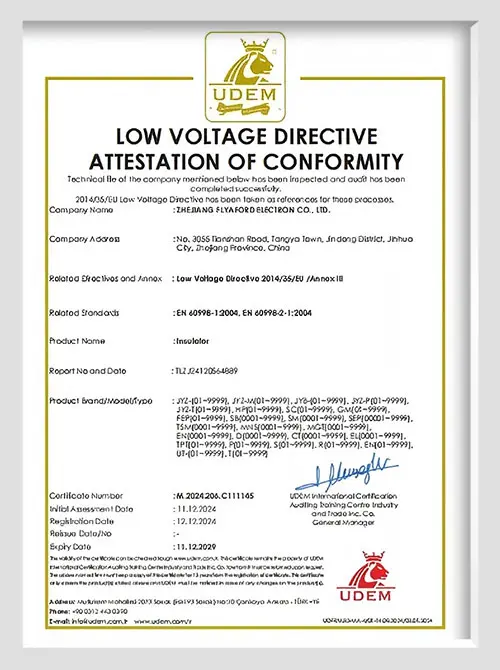
















Bulk Molding Compound (BMC) and Dough Molding Compound (DMC) insulators provide superior fracture toughness, lower weight, precise dimensional mold tolerances (< ±0.05 mm), and exceptional resistance to mechanical shock during short-circuit electromagnetic stresses. Unlike brittle porcelain, thermosetting BMC will not shatter under dynamic mechanical loads. Compared to cast epoxy resin, BMC offers significantly faster cycle times in compression molding, reduced production costs, and non-flammable UL94-V0 performance with low smoke emission.
Partial discharge (PD) control is achieved through advanced raw material degasification during compound compounding, micro-controlled injection/compression parameters, and custom insert geometry designed to eliminate micro-voids around metallic brass or steel inserts. Every batch undergoes rigorous verification in our partial discharge test chamber (0 - 120 kV) to ensure PD levels remain under 5 pC at rated operating voltages.
Our inserts are co-molded using deep knurling profiles engineered to maximize mechanical pull-out strength and rotational torque. Using our microcomputer torsion testing machine (0 - 500 N·m), inserts are certified to withstand installation torque specifications surpassing DIN and IEC requirements (e.g., M8 inserts withstand > 25 N·m, M12 inserts withstand > 85 N·m without internal resin matrix shearing).
Yes. Flyaford maintains a full in-house mold design and tooling manufacturing division. We accept STEP, IGES, and DWG files, perform finite element mechanical and dielectric field distribution analysis, produce prototype samples, and complete full initial sample inspection reports (ISIR/PPAP) within 15 to 25 working days.
Our manufacturing facilities operate under IATF 16949 (Automotive Quality Management System), ISO 9001 (Quality), ISO 14001 (Environmental), and EcoVadis sustainability benchmarks. All finished insulation products hold CE safety certification, UL product recognition, and full ROHS 2.0 / REACH SVHC chemical safety compliance.