 Flyaford
Flyaford
Flyaford
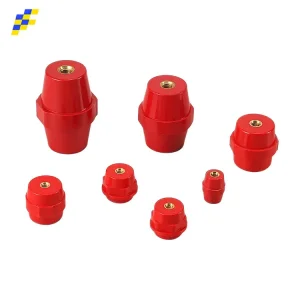
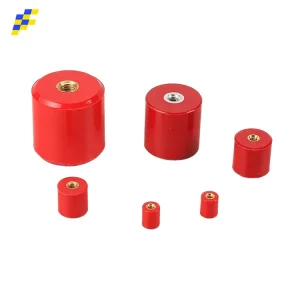
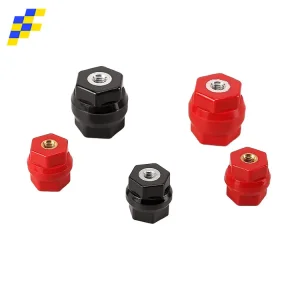
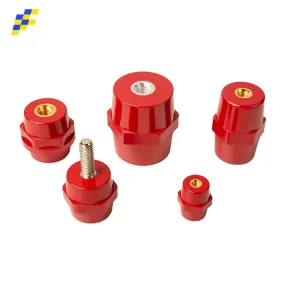
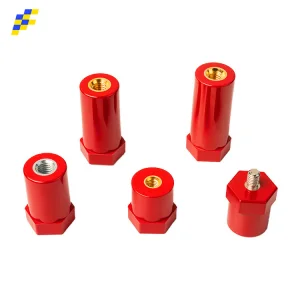
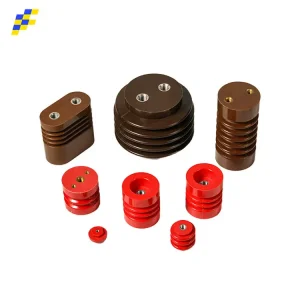
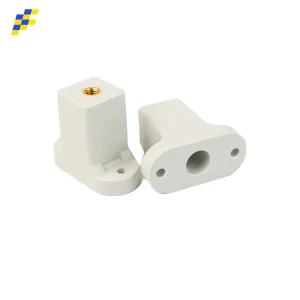
Direct-from-factory standoff, busbar, and structural insulators engineered for high dielectric strength and extreme thermal durability.
A comprehensive whitepaper analysis of modern thermosetting polymers, dielectric performance, and structural reliability in power distribution equipment.
The global transition toward electrification, renewable energy integration (solar PV, wind energy), high-capacity battery energy storage systems (BESS), and electric vehicles (EVs) has triggered an unprecedented surge in demand for advanced electrical insulation solutions. Modern electrical power grids demand materials capable of maintaining structural integrity and electrical isolation under harsher environmental stress, elevated continuous temperatures, high partial discharge limits, and severe harmonic distortions.
Historically, unglazed porcelain and steatite ceramics dominated electrical busbar supports. However, modern polymer technology—specifically Bulk Molding Compounds (BMC), Sheet Molding Compounds (SMC), Dough Molding Compounds (DMC), and Unsaturated Polyester Resins (UP)—has revolutionized the industry. Thermosets offer superior mechanical toughness, zero moisture absorption cracking, lighter weight, precise dimension control with integrated brass inserts, and exceptionally high resistance to arc tracking (CTI ≥ 600V).
Information Gain Insights: Unlike thermoplastic materials (e.g., nylon, ABS) that soften under ambient over-temperature, thermosetting composite materials used as insulators undergo irreversible chemical cross-linking during compression molding. This guarantees dimensional stability, thermal endurance up to Class H (180°C), and non-flammable UL 94-V0 safety profiles essential for high-reliability electrical cabinets.
Understanding the chemical compositions, mechanical properties, and dielectric capabilities of materials used in insulator manufacturing.
BMC is a ready-to-mold glass-fiber reinforced thermoset polymer resin material primarily composed of unsaturated polyester resin, chopped glass fiber strands (15%-30%), mineral fillers (such as aluminum trihydrate for flame retardancy), and catalysts. BMC possesses superior dielectric strength (>20 kV/mm), exceptional arc resistance (>180 seconds), and robust mechanical torque resistance.
DMC and Epoxy Molding Compounds (EMC) offer heavy-duty electrical insulation capabilities designed for medium-voltage switchgear. Formulated with high-purity resin matrices and specialized silane coupling agents, DMC guarantees flawless surface resistivity, low dielectric loss, and high mechanical flexural modulus required to sustain short-circuit electrodynamic forces.
Phenolic molding compounds deliver unmatched heat resistance and flame retardancy without dripping during thermal breakdown. Combined with precision-machined brass or zinc-plated steel threaded inserts (M6 to M16), our structural standoff insulators guarantee zero thread stripping under high mechanical tightening torque values (up to 500 N.m).
| Insulation Material Type | Dielectric Strength (kV/mm) | Comparative Tracking Index (CTI) | Thermal Class Rating | Flammability Rating | Tensile Strength (MPa) |
|---|---|---|---|---|---|
| Flyaford BMC (Thermoset) | 18 - 25 kV/mm | CTI 600V (Group I) | Class F / Class H (155°C - 180°C) | UL 94-V0 (Self-Extinguishing) | 45 - 75 MPa |
| DMC / EMC Composite | 20 - 28 kV/mm | CTI 600V (Group I) | Class H (180°C) | UL 94-V0 (0.8mm pass) | 50 - 85 MPa |
| Phenolic Resin (PF) | 12 - 16 kV/mm | CTI 175V - 300V | Class B / Class F (130°C - 155°C) | UL 94-V0 | 40 - 60 MPa |
| Epoxy Resin System | 22 - 30 kV/mm | CTI 600V | Class F (155°C) | UL 94-V0 | 70 - 110 MPa |
| Thermoplastic Nylon (PA66) | 14 - 18 kV/mm | CTI 400V - 600V | Class A / Class B (105°C - 130°C) | UL 94-V2 to V0 | 60 - 80 MPa |
Leading the industry since 2007 with state-of-the-art automated thermoset compression molding and rigorous quality engineering.
Situated in the Jinyi New District of Jinhua City, Zhejiang Province, ZHEJIANG FLYAFORD ELECTRON CO., LTD. operates as a recognized "National High-Tech Enterprise" and "Zhejiang Provincial Specialized, Refined, Distinctive, and Innovative SME". Our high-caliber R&D department collaborates closely with top-tier academic institutions, including Tsinghua University—for which Flyaford serves as a designated insulator research and development supplier.
To validate material purity, dielectric integrity, and physical strength under extreme operating environments, Flyaford maintains a state-of-the-art testing facility equipped with:

Engineered to deliver continuous, flame-retardant electrical isolation across modern high-reliability industrial domains.

Provides robust structural support for heavy copper busbars in MV/LV switchboards, preventing flashovers and short-circuit deformation.

Maintains high isolation and dampens vibration harmonics inside industrial VFD power cabinets and high-power inverter units.
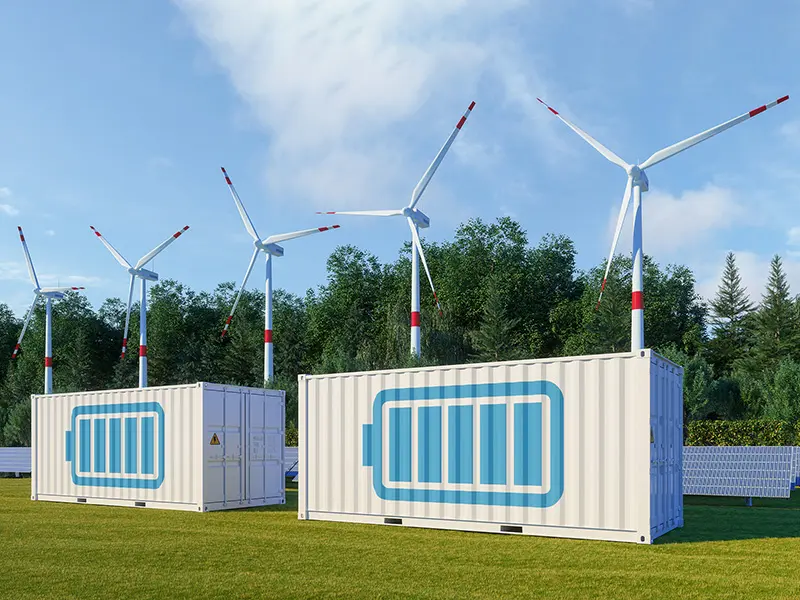
Critical insulation barriers for lithium-battery containerized racks, power conversion systems (PCS), and DC busbars.

Engineered to withstand UV degradation, extreme temperature fluctuations, and coastal humidity in nacelles and solar farm boxes.
From initial CAD/CAE finite element simulation to mold tooling design and high-volume automated molding.
In-house design of compression molds and hardware positioning fixtures. We craft custom height, creepage distance, and thread configurations tailored to exact customer drawings.
Brass and corrosion-resistant metal fasteners are overmolded directly into the BMC matrix, guaranteeing exceptional torque strength and preventing thread spin under installation stress.
Every single batch undergoes high-pot withstand voltage testing, automated optical dimensional check, and mechanical torque verification before international export packaging.
Certified to international automotive, electrical safety, and environmental protection frameworks.

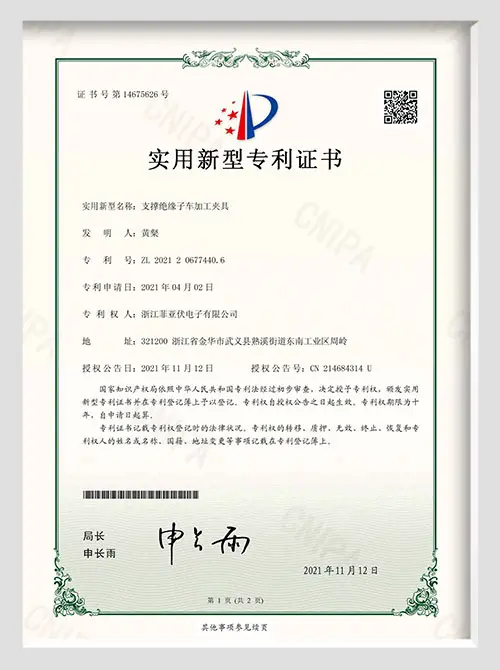

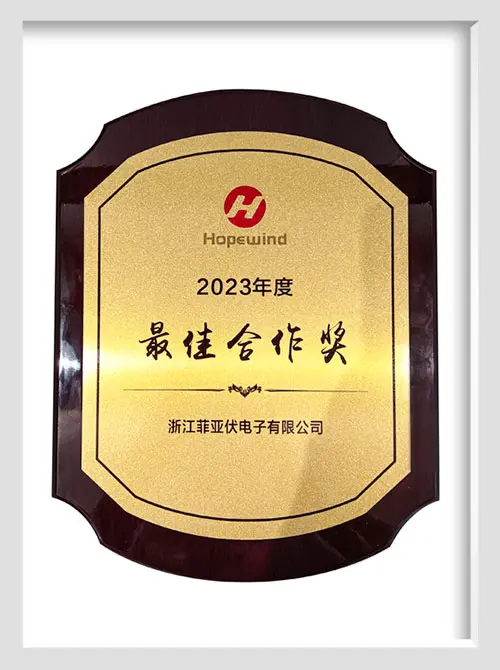
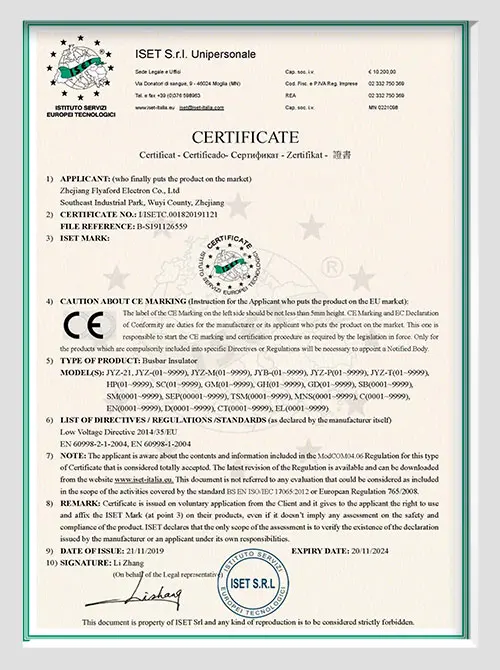
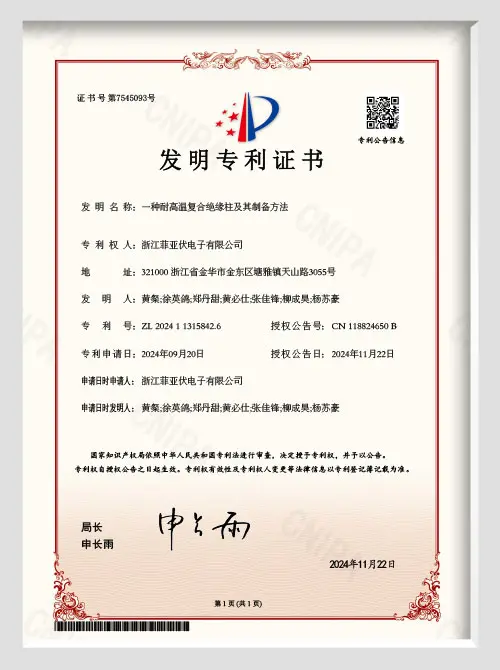

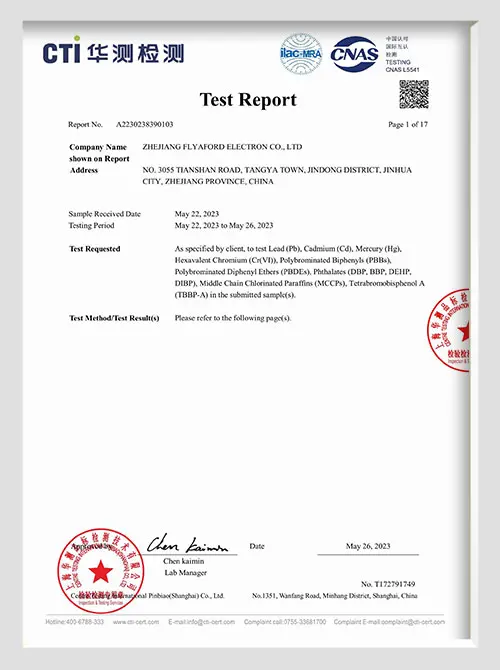
Strategic R&D directions shaping the future of polymer insulation for smart power infrastructure.
Development of eco-friendly, low-carbon polyester and epoxy resin systems designed to lower life-cycle environmental impact without compromising dielectric breakdown voltage.
Integrating nano-alumina trihydrate (ATH) and silica nanoparticles into BMC formulas to enhance thermal conductivity while maintaining high electrical insulation resistivity.
Real-time cavity pressure and temperature sensor monitoring during molding to ensure 100% void-free polymer structures, eliminating internal partial discharge points.
Technical guidance from Flyaford senior electrical engineering specialists.
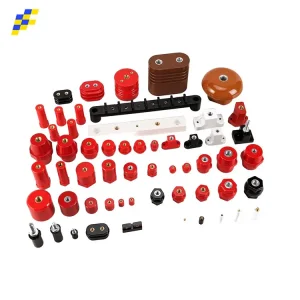
Complete product catalog engineered for low to medium-voltage electrical power applications.