 Flyaford
Flyaford
Flyaford
Explore our core flagship standoff insulators, busbar supports, and custom thermosetting composite components engineered for medium to low-voltage power distribution systems.

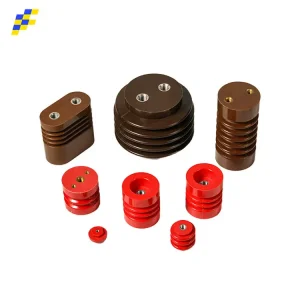
The global transition toward electrification, coupled with the rapid integration of mega-watt scale renewable energy infrastructure, has fundamentally altered the performance metrics required for electrical substation insulation systems. Electrical substations operate as critical nodes in smart grids, industrial plants, battery energy storage systems (BESS), and EV fast-charging corridors. Today's procurement managers, utility project directors, and switchgear OEMs face unprecedented challenges regarding thermal endurance, partial discharge isolation, mechanical short-circuit strength, and long-term dielectric stability under harsh atmospheric conditions.
Modern electrical substations must handle bidirectional energy flows caused by intermittent solar and wind generation. This dynamic loading creates significant thermal spikes and harmonics. Insulators engineered from thermosetting Bulk Molding Compound (BMC) and Epoxy Molding Compound (EMC) offer non-degrading dielectric characteristics under variable continuous operating temperatures up to 140°C.
Battery Energy Storage Systems (BESS) and high-voltage DC chargers demand insulation materials capable of eliminating electrochemical migration and resisting tracking under continuous DC voltage stress. High CTI (Comparative Tracking Index ≥ 600V) BMC/DMC busbar supports have become mandatory to prevent catastrophic flashovers.
Urban space constraints drive the design of compact gas-insulated switchgear (GIS) and solid-insulated switchgear (SIS). Modern standoff insulators must feature high mechanical tensile and torsional strength in reduced form factors, allowing shorter creepage distances while maintaining full IEC 61439 and UL 840 safety margins.
Established in 2007 in the Jinyi New District of Jinhua City, Zhejiang Province, ZHEJIANG FLYAFORD ELECTRON CO., LTD. has evolved into an international powerhouse in low-to-medium voltage electrical insulation technology. With a modern standard construction area of 35,000 square meters, over 60 high-precision thermosetting compression molding machines, and a dedicated team of over 120 skilled technical staff, Flyaford produces more than 200,000 insulator units daily with a factory defect rate under 100 PPM.
Innovation is the core driving force of Flyaford. The company boasts a high-caliber R&D team, including senior electrical engineers and full-time materials researchers. Designated as the Jinhua Feifav High-Performance Insulator Science and Technology R&D Center, we maintain deep industry-university-research partnerships with regional and national institutions, including Tsinghua University. Flyaford is a designated insulator supplier for Tsinghua University’s electrical engineering labs.
Our robust quality management system ensures full batch-to-batch consistency and complete raw material traceability from incoming compound analysis to final dispatch inspection.

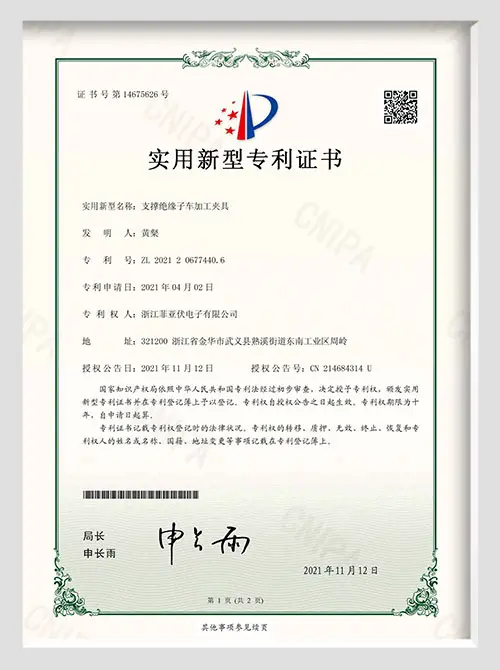


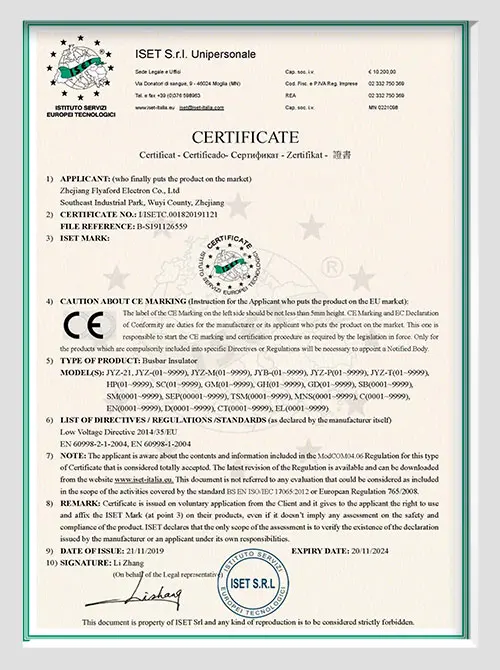
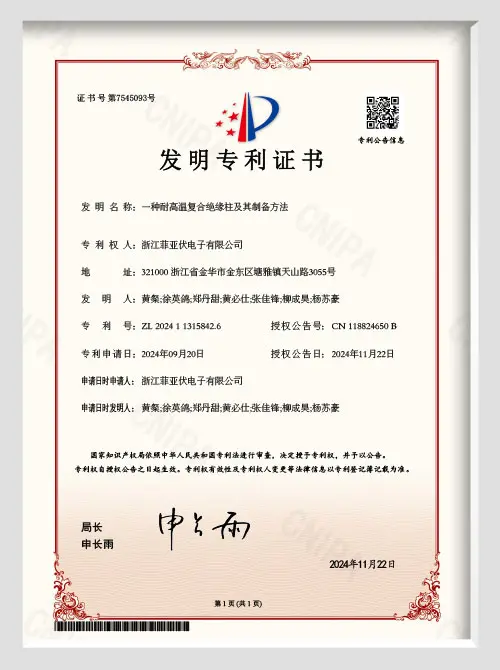
Certifications include IATF 16949 international automotive quality management, UL 94 V-0 flame retardancy compliance, ISO 9001, ISO 14001 environmental safety, CE, RoHS 2.0, and REACH compliance testing.
To guarantee zero-defect operational integrity across extreme operational environments, Flyaford operates a high-standard testing laboratory equipped with comprehensive mechanical, electrical, thermal, and chemical test benches.
| Testing Equipment | Technical Operational Range | Engineering Purpose & Standard Compliance |
|---|---|---|
| Microcomputer Torsion Tester | 0 - 500 N.m | Evaluates insert torque resistance & thread integrity under dynamic load assembly. |
| Universal Mechanical Tester | 0 - 200 KN | Measures cantilever, tensile, and compressive yield strength during short-circuit faults. |
| Partial Discharge Test Chamber | 0 - 120 KV | Verifies internal insulation purity without voids to prevent premature aging. |
| Lightning Impulse Voltage Tester | 0 - 300 KV | Simulates atmospheric surge and high-voltage transient withstand capabilities. |
| Thermal Shock Test Chamber | -40°C to +140°C | Exposes composite bodies to extreme temperature cycling to ensure micro-crack immunity. |
| Withstand Voltage Tester | 0 - 100 KV | Verifies dielectric breakdown margin across creepage distance under humid conditions. |
| Insulation Resistance Tester | 0 - 1 TΩ | Monitors surface and bulk resistivity under continuous electrical stress. |
| Flammability & Arc Resistance | UL 94 V-0 / ASTM D495 | Confirms self-extinguishing flame properties and surface arc tracking resistance. |


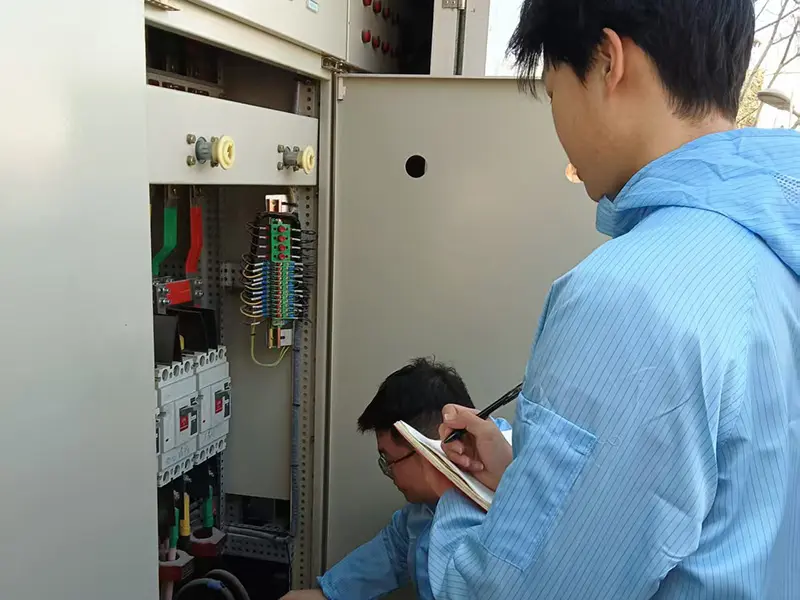
Flyaford specializes in the formulation and precision molding of advanced composite compounds, including Bulk Molding Compound (BMC), Sheet Molding Compound (SMC), Epoxy Molding Compound (EMC), and Phenolic Formaldehyde (PF) resin systems. Brass, aluminum, or steel hardware inserts are precision-machined and knurled to ensure superior mechanical pull-out strength.
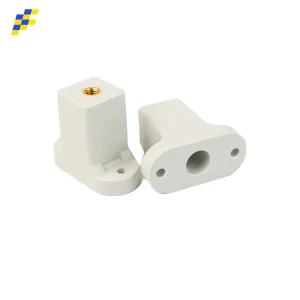
Engineered for medium to low-voltage switchboards and power distribution panels. Features dynamic stepped profile ribs to maximize creepage distance in confined cabinet spaces.
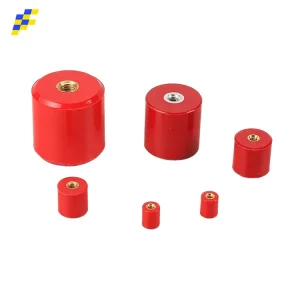
Designed for heavy industrial environments requiring high cantilever loads and extreme thermal stability. Ideal for frequency conversion cabinets and variable speed drives.
Tailored for modular low-voltage drawer-type switchgear systems (such as MNS, GCS, GCK). Ensures rigid phase separation under high fault-current magnetic stress.
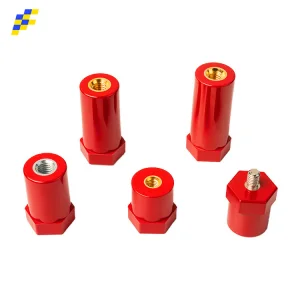
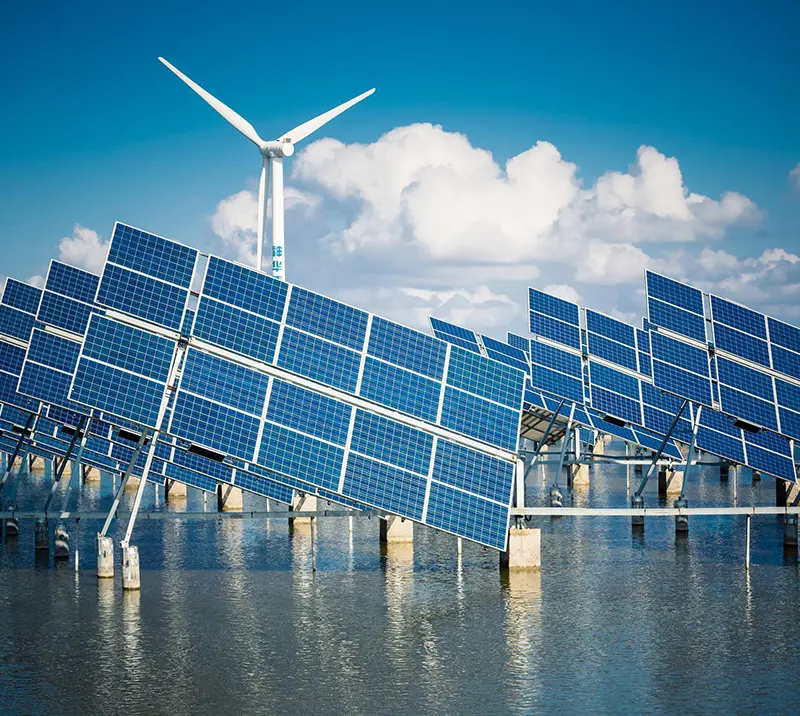
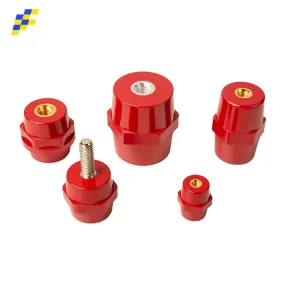
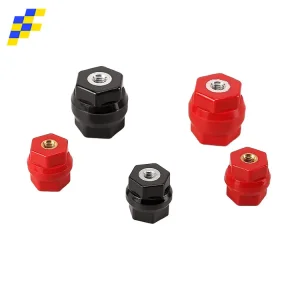
Standard cylindrical and hex-body standoff insulators widely adopted in solar power inverters, wind turbine control panels, and battery rack power rails.

Wind Turbines
Industrial Processing

Solar Farms (PV)

Substation Switchgear
With over 20 years of dedicated OEM and ODM engineering expertise, Zhejiang Flyaford Electron Co., Ltd. delivers end-to-end custom insulator development services—from conceptual material formulation and CAD/FEA simulation to precision tooling creation, rapid prototyping, and automated mass production.
In-depth technical review of voltage levels, creepage distance, tensile/cantilever stress, and thermal requirements. Design selection aligned with IEC/UL specifications.
In-house mold design and hardware insert engineering using advanced CNC tooling center to ensure exact dimensional tolerances and zero micro-defects.
Rapid production of test prototypes for client lab evaluation, including full dielectric flashover, mechanical torque, thermal shock, and CTI testing.
Smart factory execution across 60+ automated compression molding presses delivering 200,000+ units daily under full digital monitoring and 100% optical inspection.
Flyaford maintains a 7*24 hour technical response mechanism. Remote engineering advice or on-site failure analysis response is provided within 2 hours. In the event of quality discrepancies during commissioning, we perform force reproduction activities in our lab to provide rapid troubleshooting, free product replacement, or return services under our comprehensive warranty framework.
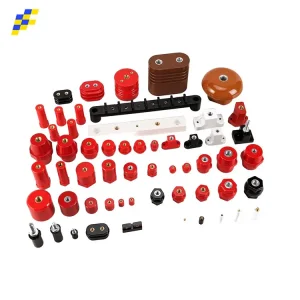
Discover more certified standoff insulation models tailored for power networks, traction power infrastructure, 5G base station power systems, and intelligent robotics.
Read detailed engineering answers addressing common questions regarding electrical substation standoff insulators, composite material selection, global standards compliance, and custom factory manufacturing capabilities.
Bulk Molding Compound (BMC) and Epoxy Molding Compound (EMC) offer superior mechanical toughness, eliminating the brittle fracture failure modes common to porcelain insulators during short-circuit electromagnetic stress or seismic events. Furthermore, BMC composite insulators exhibit continuous resistance to high thermal shock (-40°C to +140°C), superior dimensional stability around cast-in metal inserts, higher precision molding tolerances, and lower total weight without sacrificing dielectric breakdown voltage.
Partial discharge usually stems from microscopic voids or air pockets trapped inside the composite matrix during molding. Flyaford uses high-tonnage precision hydraulic compression machinery combined with vacuum-assisted degasification routines during compound preparation. Every batch undergoes rigorous partial discharge testing up to 120 kV in our in-house lab, ensuring interior dielectric purity that strictly satisfies IEC 60270 standards.
Our manufacturing and product lines hold certifications across key global regulatory bodies: IATF 16949 (Automotive Quality Management System), UL 94 V-0 (Flame Retardancy), ISO 9001 (Quality Systems), ISO 14001 (Environmental Management), CE (EU Compliance), and full test reports verifying compliance with RoHS 2.0, REACH, and IEC 61439 / IEC 60664-1 creepage distance standards.
CTI measures the electrical breakdown (tracking failure) properties of an insulating material under surface contamination and liquid exposure. Renewable energy installations (such as solar PV farms and battery racks) operate under severe humidity and environmental pollutants. A CTI rating of 600V (Class I tracking resistance) ensures that the insulator body will not form conductive carbon tracks under high continuous DC/AC voltage, preventing disastrous short circuits.
Yes. Flyaford operates an extensive in-house mold design and machining workshop. We can customize overall insulator heights, ribbed creepage profiles, body shapes (hexagonal, cylindrical, stepped, T-type), as well as hardware inserts (metric or imperial brass/steel inserts, male studs, or female threaded blind holes). Detailed 3D STEP drawings are provided for customer sign-off prior to production.
Standard mold tooling creation typically requires 15 to 25 days depending on component complexity. Prototyping samples are dispatched immediately upon mold completion for client verification. Backed by over 60 molding machines and a 200,000 Pcs/Day capacity, standard volume order shipments can be fulfilled within 10 to 20 days post-sample approval.