 Flyaford
Flyaford
Flyaford
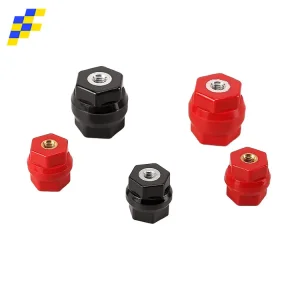
Explore our premium-grade Bulk Molding Compound (BMC) and Sheet Molding Compound (SMC) standoff insulators designed for high-stress electrical power distribution systems.

Understanding Electrical Arc Flash Degradation, Material Breakdown Mechanics, and Global Power Infrastructure Demands
In modern medium- and low-voltage electrical distribution, electric arcs represent one of the most destructive phenomena. An arc flash produces localized temperatures exceeding 10,000°C, causing instantaneous thermal expansion, violent pressure waves, and intense ultraviolet radiation. Standard dielectric organic polymers quickly carbonize under these conditions, forming conductive carbon tracks across the insulator surface that cause permanent short circuits and catastrophic equipment failure.
Arc-resistant standoff insulators manufactured from unsaturated polyester Bulk Molding Compounds (BMC) and Epoxy Molding Compounds (EMC) incorporate hydrated inorganic fillers such as Aluminum Trihydrate (ATH). Under intense thermal stress, ATH undergoes endothermic decomposition, releasing chemically bound water vapor that extinguishes the ionized plasma path, quenches the arc flash, and prevents carbon tracking (CTI > 600V).
The global transition toward clean energy grid modernization, massive expansion in Battery Energy Storage Systems (BESS), and rapid adoption of Electric Vehicles (EVs) have escalated operational strains on busbar support architecture. Modern power electronics introduce high-frequency harmonics, steep voltage surges ($dV/dt$), and thermal cycling that accelerate dielectric breakdown in traditional ceramic or lower-tier plastic insulators.
Global EPC contractors and switchgear OEMs require standoff insulators certified to international flame retardancy (UL94 V-0), environmental compliance (RoHS 2.0/REACH), and high mechanical tensile/torsional tolerances to withstand electrodynamic short-circuit forces exceeding 100 kA peak currents.
A Global Leader in High-Performance Low and Medium-Voltage Insulation Systems
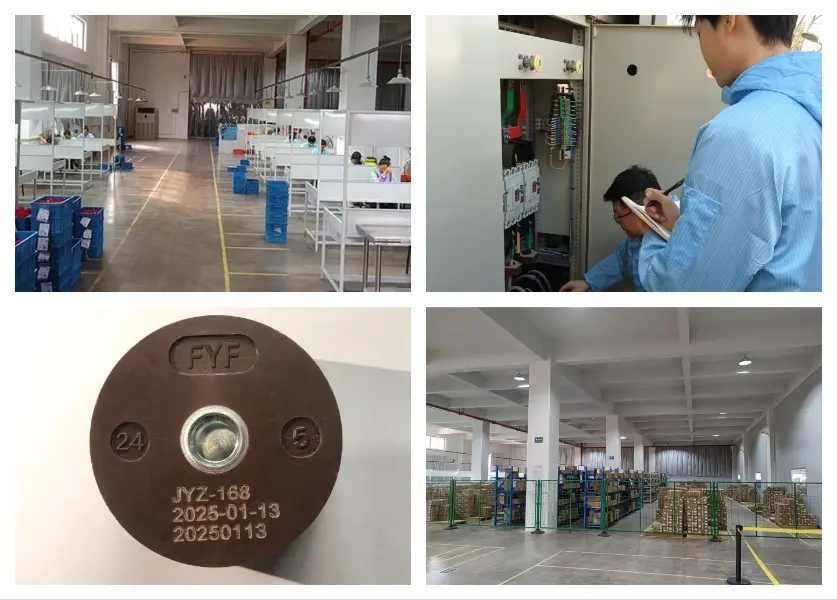
ZHEJIANG FLYAFORD ELECTRON CO., LTD. is located in the prestigious Jinyi New District of Jinhua City, Zhejiang Province, China. Spanning over 35,000 square meters of state-of-the-art industrial production real estate, Flyaford operates as a premier high-tech enterprise integrating specialized R&D, automated compression molding, precision hardware machining, and comprehensive lab validation.
Driven by a workforce of over 120 skilled personnel, including senior electrical structural engineers and dedicated R&D scientists, we maintain an immense output capacity exceeding 200,000 units per day across 60+ fully automated thermosetting molding machines.
Recognized as a "National High-Tech Enterprise", "Zhejiang Provincial Specialized, Refined, Distinctive, and Innovative SME", and home to the "Jinhua Feifav High-Performance Insulator Science and Technology R&D Center", Flyaford sets the benchmark for quality, keeping defective rates rigorously strictly below 100 PPM.

Mastery over specialized BMC, DMC, EMC, and Phenolic Resin (PF) composite chemistry. Over 60 high-tonnage hydraulic molding presses with computerized heat zone control guarantee void-free, high-density structural integrity.
End-to-end digital MES tracking monitors raw material batching, press parameters, curing time, and post-molding dimensional inspection. Real-time feedback loops continuously refine production parameter consistency.
Flyaford collaborates deeply with premier academic institutions, including Tsinghua University and Hangzhou technology hubs. We serve as the designated insulator development partner for Tsinghua University’s high-power lab initiatives.
Extensive In-House Testing Equipment Guaranteeing Uncompromised Electrical and Mechanical Reliability
To ensure every standoff insulator withstands extreme short-circuit torque, thermal shocks, and electrical overvoltages, Flyaford maintains a high-standard testing laboratory equipped with world-class analytical instruments.
Selection Framework for Electrical Engineers and Procurement Directors
| Material Property / Characteristic | BMC (Bulk Molding Compound) | EMC (Epoxy Molding Compound) | PF (Phenolic Resin) | Standard Nylon / Polyamide |
|---|---|---|---|---|
| Arc Resistance (ASTM D495) | > 180 Seconds (Excellent) | > 180 Seconds (Superior) | 120 - 150 Seconds (Moderate) | < 60 Seconds (Poor) |
| Comparative Tracking Index (CTI) | CTI 600V (Class 0) | CTI 600V (Class 0) | CTI 175 - 400V | CTI 250 - 600V |
| Flame Retardancy Rating | UL94 V-0 (Halogen-Free) | UL94 V-0 (Self-Extinguishing) | UL94 V-0 | UL94 V-2 to HB |
| Continuous Heat Resistance | 140°C to 160°C | 180°C to 220°C | 150°C to 180°C | 90°C to 110°C |
| Tensile & Thread Pull-out Strength | High (Reinforced Glass Fiber) | Ultra-High (Structural Grade) | Medium to High | Prone to Creep / Deformation |
| Cost-to-Performance Ratio | Optimal for Mass Switchgear | Premium High-Voltage / EV | Economical Industrial | Low Performance / High Risk |
Engineered Solutions Optimized for Specialized System Architectures
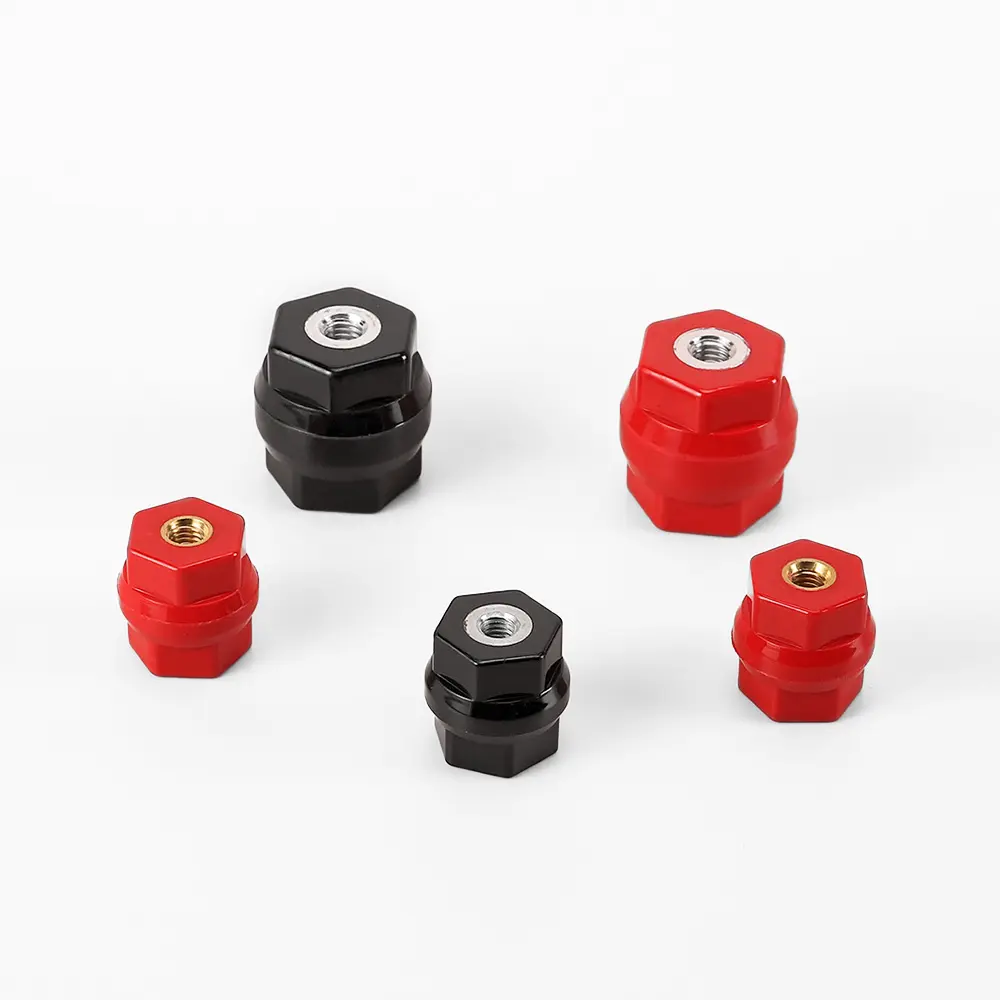
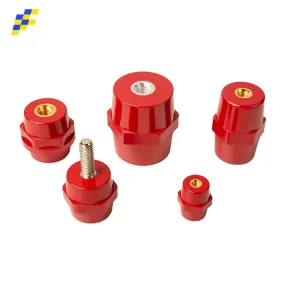
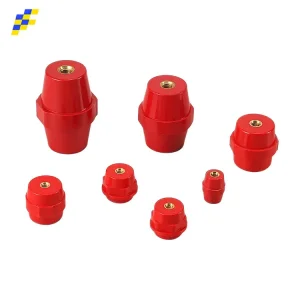
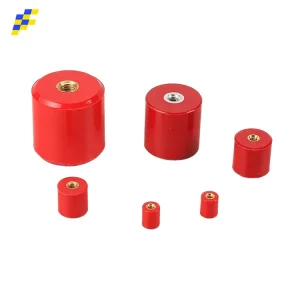
Drum-type standoff insulators engineered for heavy copper busbar support in compact switchboards, distribution cabinets, and control gear.
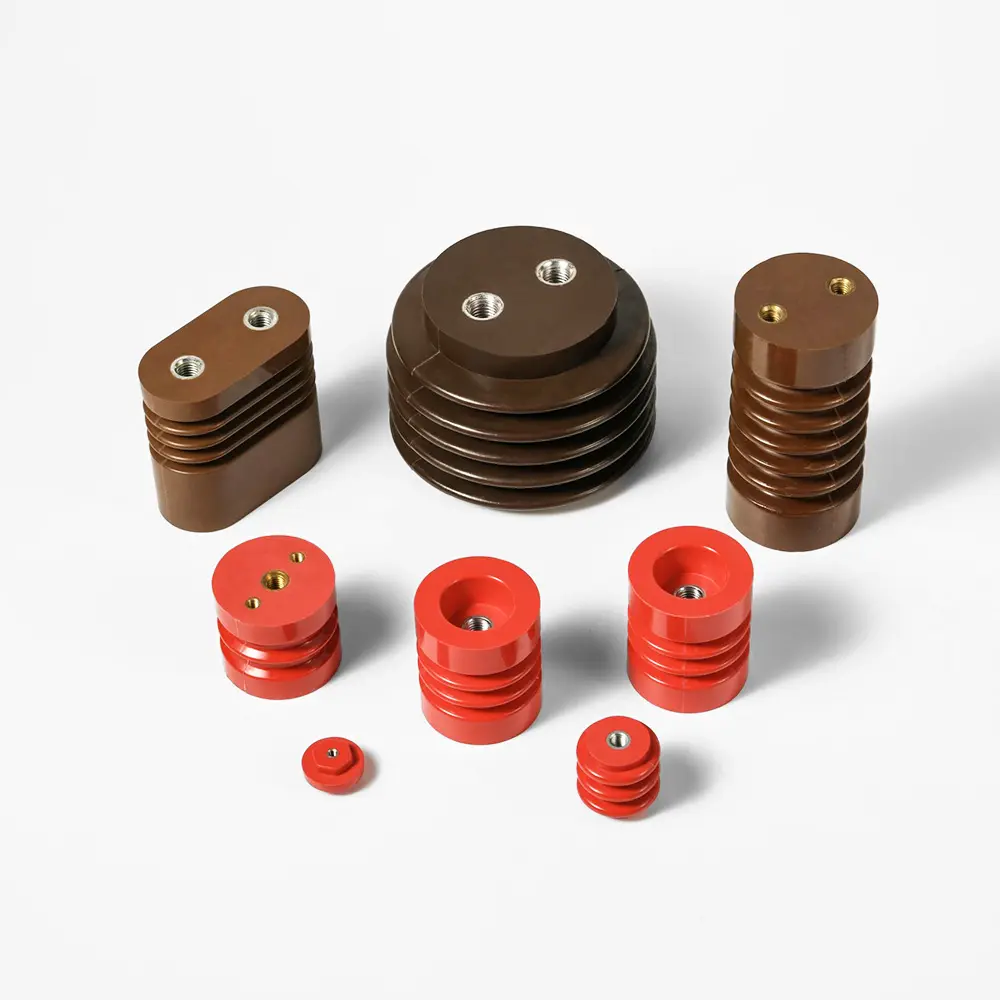
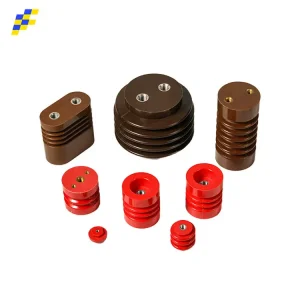
High-voltage indoor busbar supports featuring extended creepage distance sheds designed for severe transient overvoltage environments.

Specifically designed to seamlessly fit modular ABB MNS low-voltage switchgear frames, offering precise bolt insertion geometry.
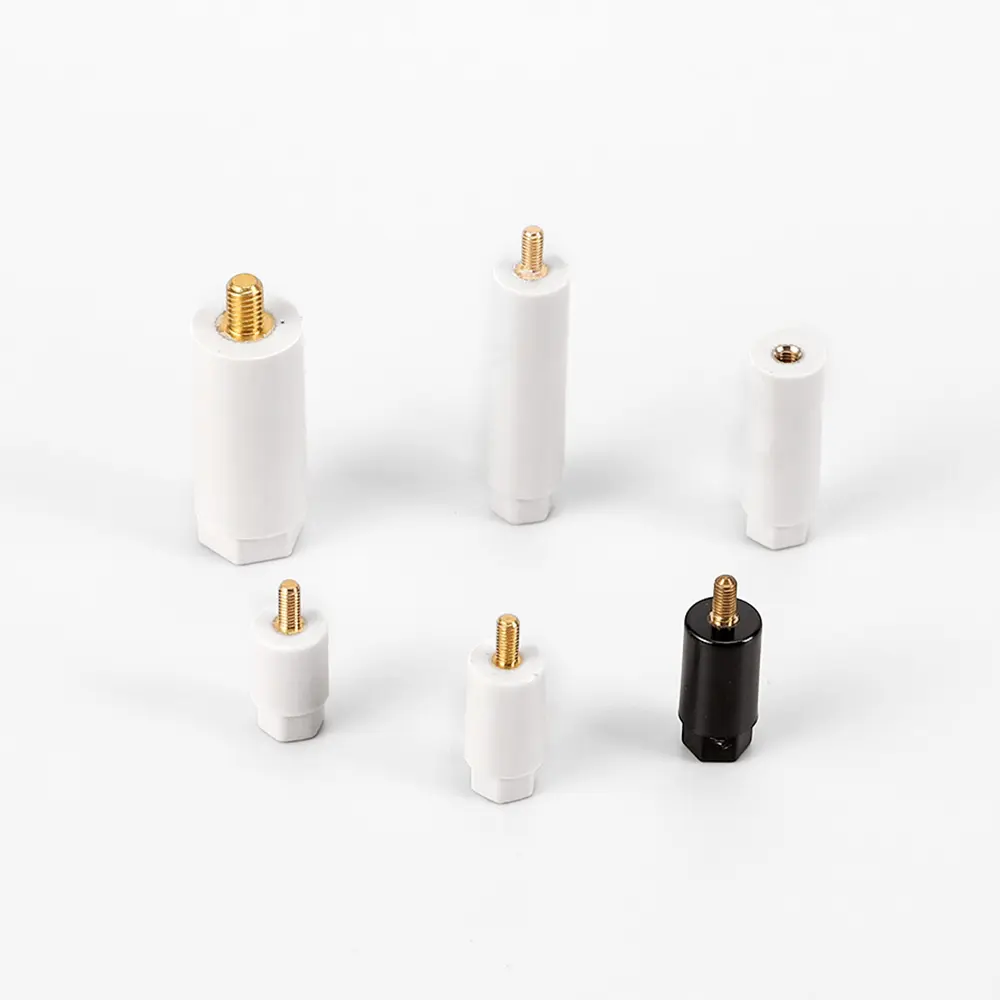
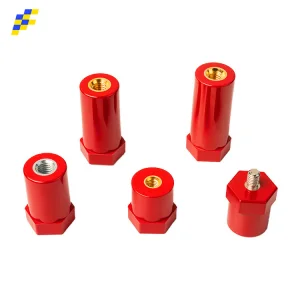
Pillar-style isolators delivering exceptional lateral shear resistance under dynamic electrodynamic fault force events.
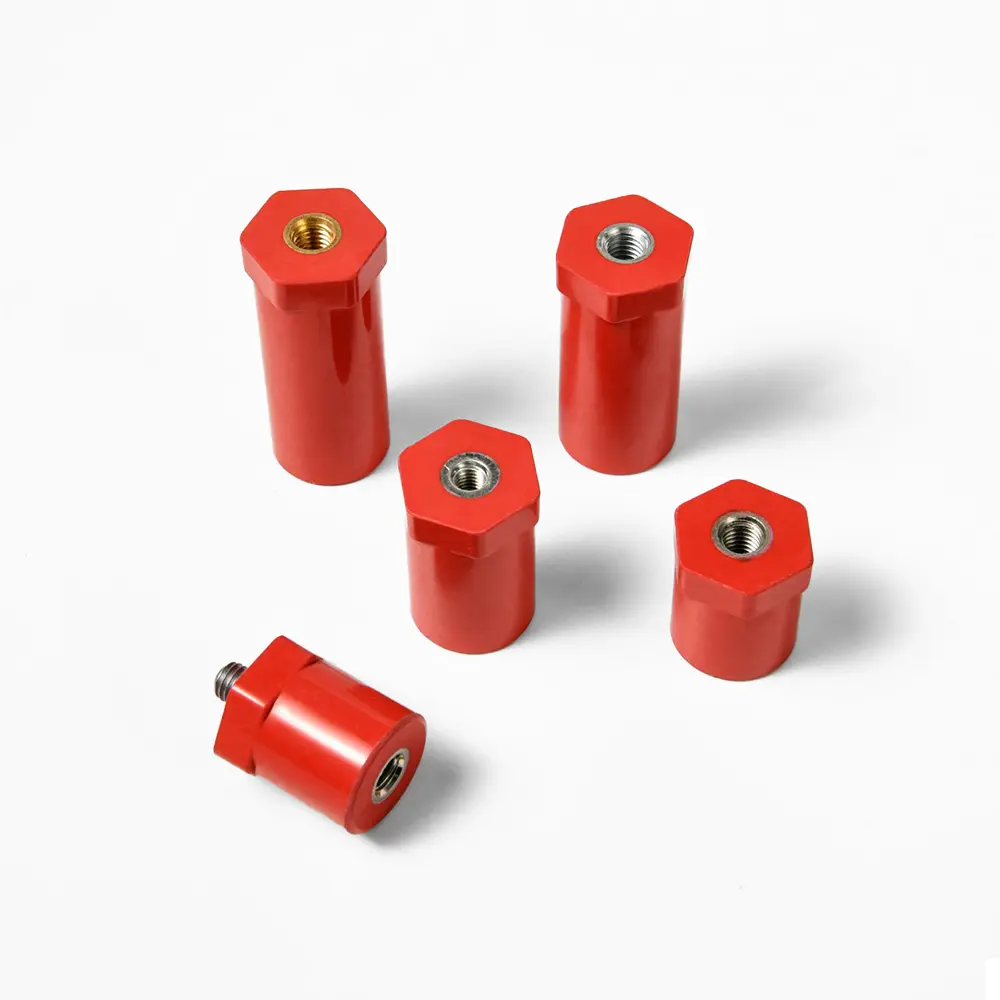
Step-busbar insulators designed for multi-tier electrical phase separation in high-current distribution systems.
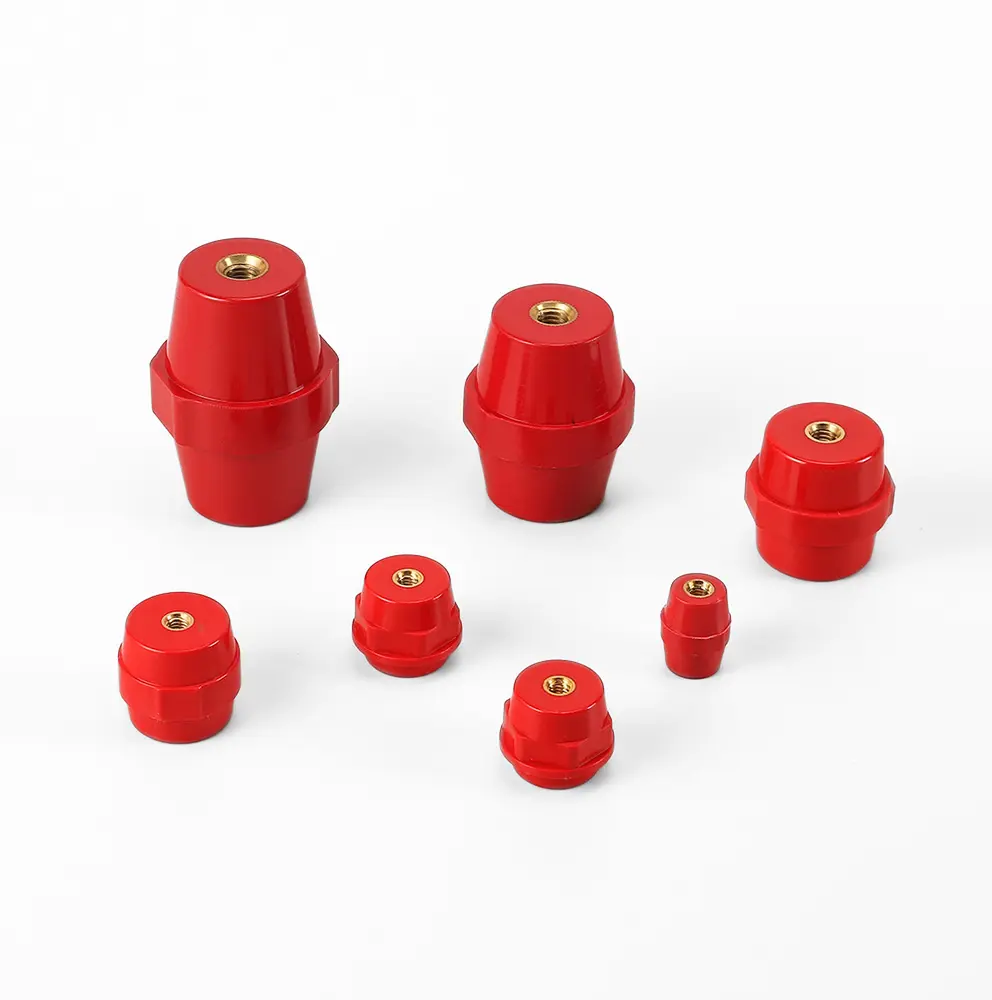
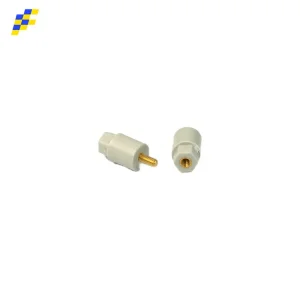
Universal hexagonal and metric standoff insulators widely deployed in inverter panels, industrial drives, and power conversion units.
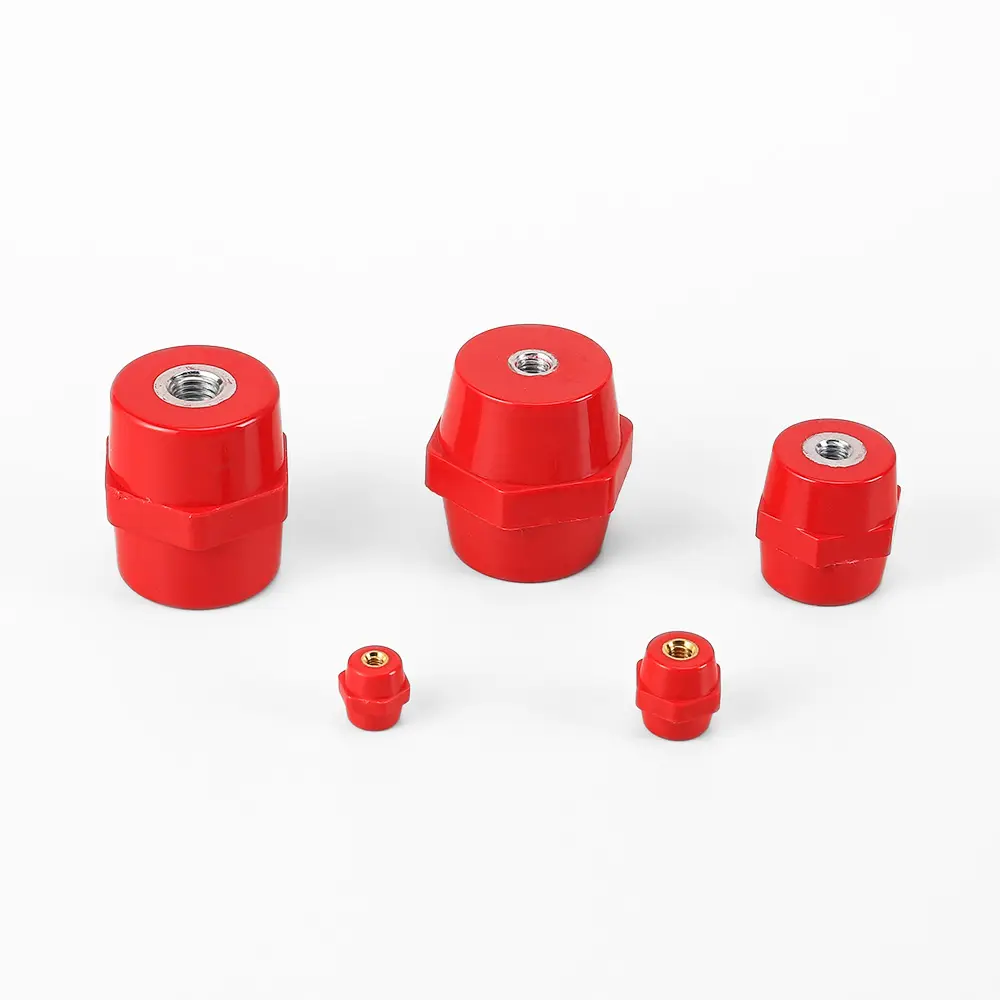
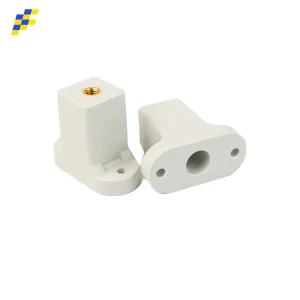
Specialized low-profile standoff blocks designed for restricted-space energy storage battery rack busbars.

Trapezoidal heavy-duty busbar isolators optimized for high-vibration environments in railway transit and marine propulsion.




Verified Compliance for Seamless Integration into Global Supply Chains
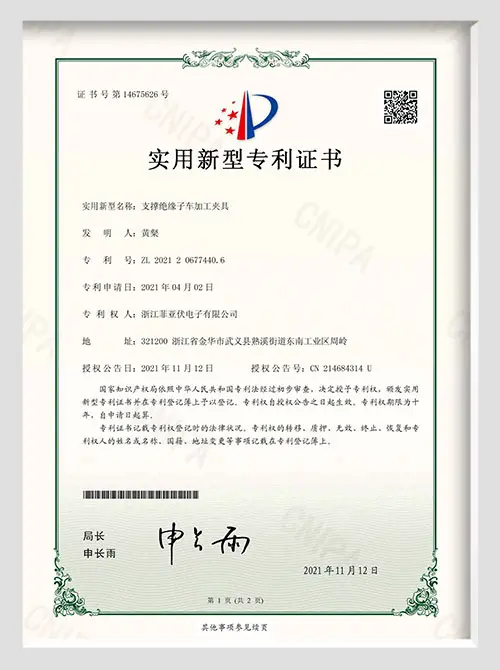
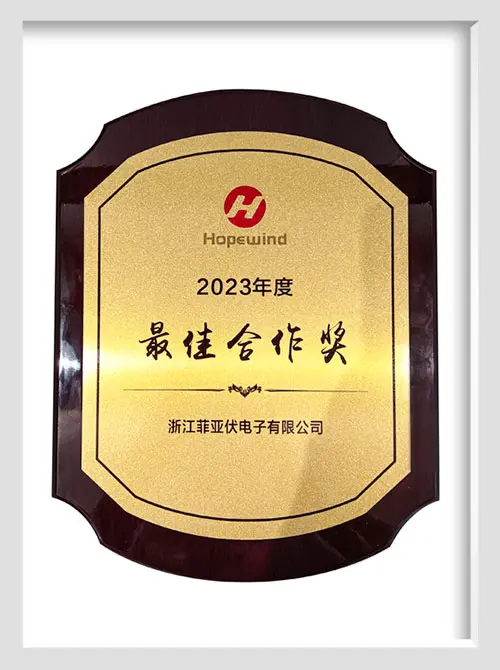
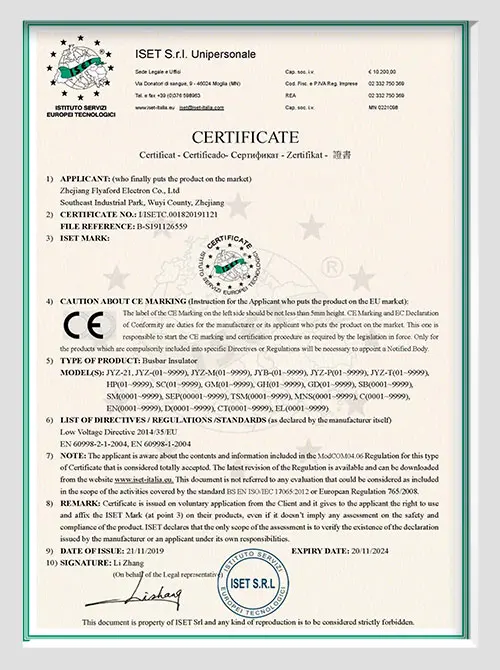
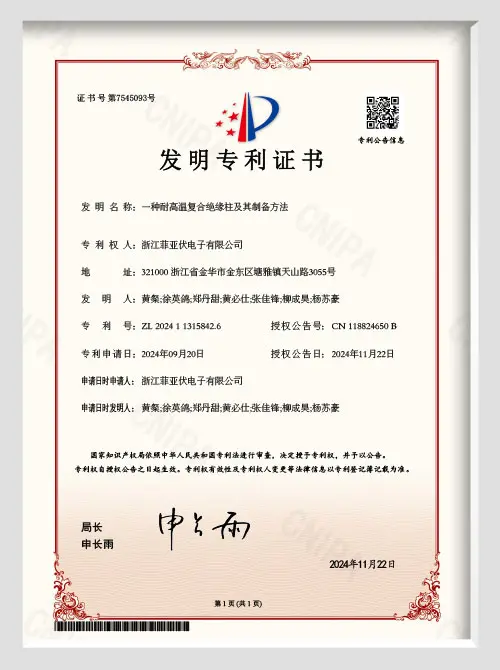
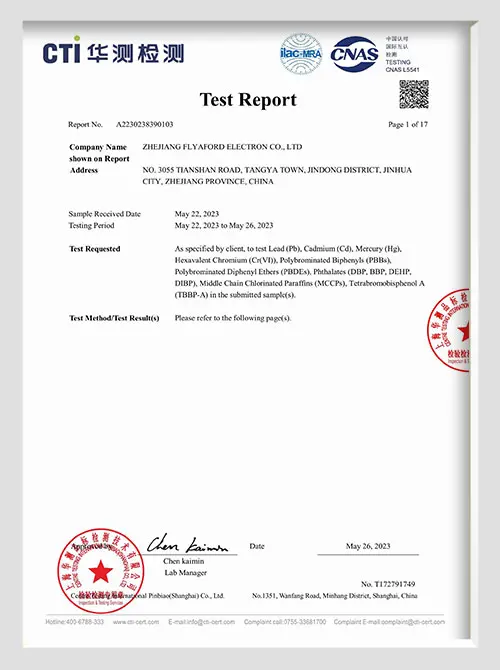
Zhejiang Flyaford Electron Co., Ltd. operates in full compliance with rigorous global automotive and electrical standards. Our comprehensive certification profile ensures frictionless procurement approval for Fortune 500 OEMs and EPC contractors worldwide.
Automotive Quality Management System compliance guaranteeing zero-defect quality control for Electric Vehicle (EV) insulation components.
Underwriters Laboratories recognized flame retardancy (UL94 V-0) and electrical safety testing approval.
Certified Quality and Environmental Management Systems governing waste reduction, process repeatability, and sustainable sourcing.



From CAD Engineering and Insert Mold Tooling to Rapid Prototyping and Full Batch Production
Custom mechanical insert design, creepage optimization, and 3D finite element structural modeling matching exact customer enclosure specs.
Customized selection of BMC, EMC, or PF raw resins combined with precise ATH fire-retardant filler ratios for specialized thermal environments.
High-precision brass, copper, or steel insert knurling and encapsulation delivering extreme torque resistance without micro-cracking.
Full dielectric withstand flash testing, visual optical sorting, zero-defect packaging, and scheduled global express container delivery.
Flyaford provides 24/7 dedicated engineering support with guaranteed query responses within 2 hours. In the event of field installation inquiries, our team offers remote technical diagnostics and fast-track replacement services. We perform full force-reproduction stress simulations to assist client engineering teams with complex fault root-cause analysis.
Expert Engineering Insights on Arc Resistance, Material Selection, and Installation Practices
Bulk Molding Compound (BMC) contains a rich formulation of unsaturated polyester resin, short glass fiber reinforcement (10%-20%), and high concentrations of Aluminum Trihydrate (ATH) fillers. When exposed to an electric arc flash, ATH undergoes endothermic decomposition, releasing chemically bound water ($2Al(OH)_3 \rightarrow Al_2O_3 + 3H_2O$). This endothermic action rapidly cools the localized arc flame while suppressing carbon track formation (maintaining CTI > 600V), whereas standard un-filled epoxy resins heat up, breakdown, and form conductive carbonized paths across the insulator surface.
Metal inserts (brass or zinc-plated steel) are molded directly into the composite body during high-pressure thermoset compression molding. We utilize deep diamond knurling patterns and undercut grooves on the outer surface of the insert. This physical geometry, combined with the extreme dimensional stability and low shrinkage of our BMC formulations, prevents insert spin-out or pull-out under dynamic tightening torques up to 500 N·m (verified by microcomputer torsion testing).
Flyaford insulators are manufactured to meet or exceed IEC 61439 (Low-voltage switchgear and controlgear assemblies), UL 891 (Switchboards), UL 94 (Test for Flammability of Plastic Materials - V-0 Rating achieved), and ASTM D495 (Standard Test Method for High-Voltage, Low-Current, Dry Arc Resistance of Solid Electrical Insulation).
Yes. With our in-house mold design and tooling manufacturing center, Flyaford can rapidly prototype and produce custom standoff insulators matching non-standard mounting heights, specialized metric/imperial insert threads, or extended creepage distance sheds specifically requested for high-voltage direct current (HVDC) EV battery packs and energy storage battery racks.
Flyaford operates over 60 automated compression molding presses delivering a daily output exceeding 200,000 pieces. For standard product lines (such as SM, SB, and MNS series), sample orders ship within 48 hours, and bulk container shipments are typically fulfilled within 10 to 15 business days depending on client delivery schedules.
High-reliability busbar components trusted by world-leading electrical control gear manufacturers.