 Flyaford
Flyaford
Flyaford
Explore our CE-certified, high-dielectric-strength polymer standoff and busbar insulators designed for extreme electrical stress and environmental durability.
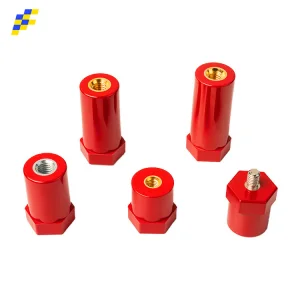
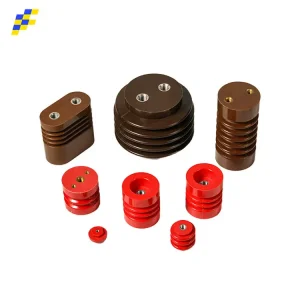
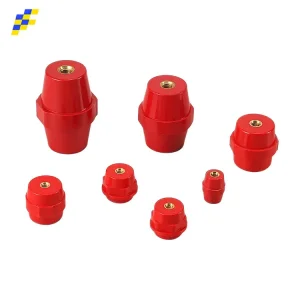
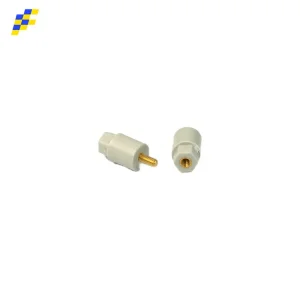
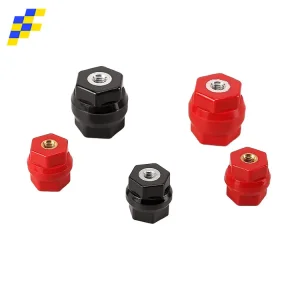
Analyzing global grid decarbonization, thermal stress resistance, and advanced compound formulation in modern medium and low-voltage electrical systems.
In modern power distribution infrastructure, legacy porcelain and ceramic insulators are rapidly being superseded by advanced **Bulk Molding Compound (BMC)**, **Sheet Molding Compound (SMC)**, and **Epoxy Molding Compound (EMC)** polymers. Ceramic wall insulators exhibit critical vulnerabilities under high mechanical vibration, seismic action, and dynamic thermal cycling, often failing catastrophically due to brittle fracture mechanisms. Polymeric wall insulators provide superior tensile-to-weight ratios, hydrophobic self-cleaning surface features, non-brittle fracture safety, and exceptional resistance to electrical arc tracking (CTI > 600V).
As global energy architectures transition toward renewable generation (solar PV, offshore/onshore wind), Battery Energy Storage Systems (BESS), and wide-bandgap (SiC/GaN) power electronics, electrical enclosures face unprecedented continuous thermal stress and localized partial discharge. Polymer wall insulators provide optimal dielectric strength (≥20 kV/mm) and flame-retardant performance under UL94 V-0, establishing a failure-proof physical boundary for busbars penetrating enclosure walls, switchgear compartments, and transformer housings.
Information Gain Insights: CE Certification for polymer wall insulators mandates strict adherence to the Low Voltage Directive (2014/35/EU) and EN 60664-1 creepage and clearance distance algorithms. Zhejiang Flyaford Electron Co., Ltd. integrates digital compression molding with automated inline dielectric testing to deliver wall insulator components maintaining ultra-low partial discharge (<5 pC at rated voltage) and a defect rate under 100 PPM.
Discover ZHEJIANG FLYAFORD ELECTRON CO., LTD. — A National High-Tech Enterprise advancing high-reliability insulation solutions since 2007.
Situated in the Jinyi New District of Jinhua City, Zhejiang Province, ZHEJIANG FLYAFORD ELECTRON CO., LTD. spans a modernized standard factory area of 35,000 square meters. Equipped with over 60 advanced compression molding production machines, 20+ specialized electrical and mechanical testing systems, and a dedicated team of over 120 skilled personnel, Flyaford operates as a premier designer and manufacturer of low-to-medium voltage polymer insulators.
Recognized officially as a National High-Tech Enterprise, Zhejiang Provincial Specialized, Refined, Distinctive, and Innovative SME, and housing the Jinhua Flyaford High-Performance Insulator Science and Technology R&D Center, our organization maintains technical partnerships with renowned research bodies and universities, including Tsinghua University, functioning as their designated insulator development partner.

Strict adherence to IATF 16949 automotive quality standards, ISO 9001 quality management, and ISO 14001 environmental frameworks across all compression molding lines.
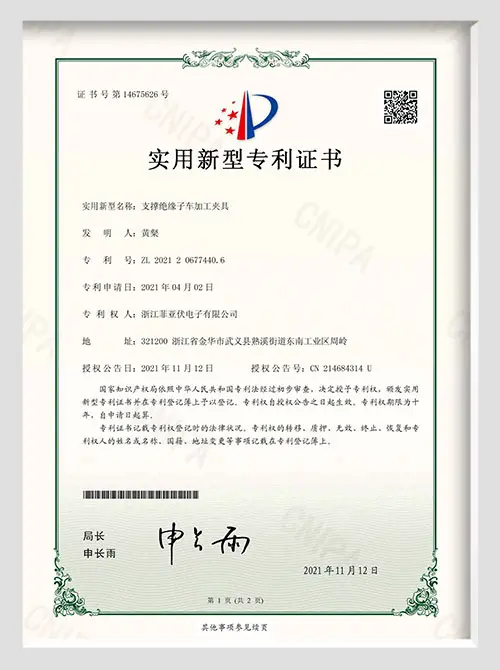
Driven by independent intellectual property, holding 5 core invention patents, 19 utility model patents, and 2 software copyrights for intelligent molding process control.
Zero compromise on quality. Every single product undergoes full dimensional, appearance, and flash voltage testing before factory dispatch.
Comparing physical, mechanical, and electrical parameters of BMC, DMC, EMC, and Phenolic materials used in Flyaford wall insulators.
| Material Matrix Type | Dielectric Strength (kV/mm) | Comparative Tracking Index (CTI) | Tensile Strength (MPa) | Flexural Strength (MPa) | Flame Retardancy (UL94) | Operating Temp Range (°C) |
|---|---|---|---|---|---|---|
| BMC (Bulk Molding Compound) | ≥ 18.0 - 22.0 | CTI 600 V | ≥ 45 | ≥ 100 | V-0 / 5VA | -40 to +150 |
| DMC (Dough Molding Compound) | ≥ 16.0 - 20.0 | CTI 600 V | ≥ 40 | ≥ 90 | V-0 | -40 to +140 |
| EMC (Epoxy Molding Compound) | ≥ 24.0 - 30.0 | CTI 600 V | ≥ 70 | ≥ 140 | V-0 | -50 to +180 |
| PF (Phenolic Resin Compound) | ≥ 14.0 - 18.0 | CTI 175 - 275 V | ≥ 50 | ≥ 110 | V-0 | -30 to +160 |
* Engineered Metal Inserts: All Flyaford polymer wall insulators incorporate high-grade brass, copper, or zinc-plated steel threaded inserts engineered via high-precision CNC machining. Insert knurling patterns are micro-optimized to eliminate mechanical stress concentration, preventing pull-out or rotational torque failure during busbar installation under high dynamic short-circuit electromagnetic forces.
Deploying reliable polymeric wall standoffs and isolation barriers across demanding critical infrastructure projects globally.
Insulating high-current DC busbars inside central solar inverters and wind turbine nacelles. Provides resistance to severe thermal swings and atmospheric salt spray corrosion in offshore wind farms.
Engineered wall insulators and isolation blocks for EV battery pack switchboxes, commercial vehicle power distribution units (PDUs), and megawatt-level ultra-fast EV charging hubs.
Crucial phase-to-phase and phase-to-ground barrier supports in modular low-voltage switchboards, MNS switchgear cabinets, and medium-voltage ring main units (RMU).
Supporting high-density DC power distribution busway systems in hyperscale data centers and outdoor remote radio head (RRH) power cabinets with high EMI immunity.
Vibration-proof polymeric standoffs installed in train power converters, roof-mounted traction switchgear, and trackside sub-station power conditioning units.
Serving containerized battery energy storage systems, ensuring continuous insulation integrity across high-voltage battery string interconnecting busbars.
Ensuring compliance with international standard regimes through multi-stage physical, electrical, and thermal stress verification.
Every product series manufactured by Zhejiang Flyaford Electron Co., Ltd. is designed to comply with European Directive requirements and international electrotechnical safety mandates:


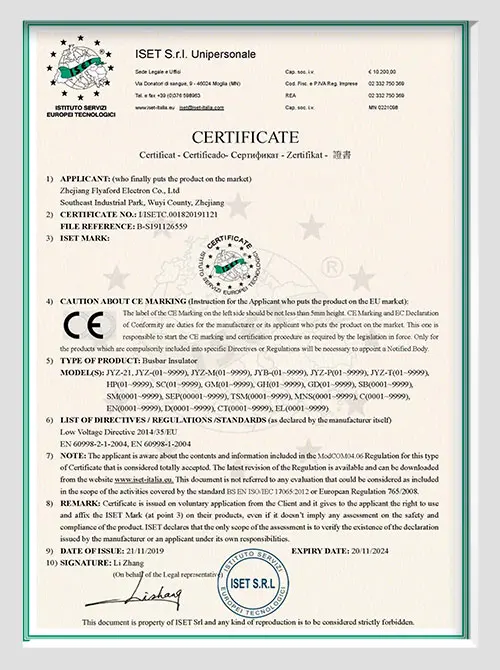
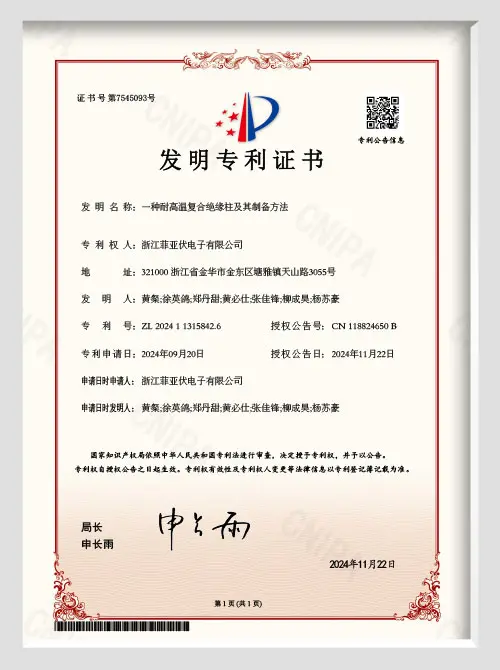

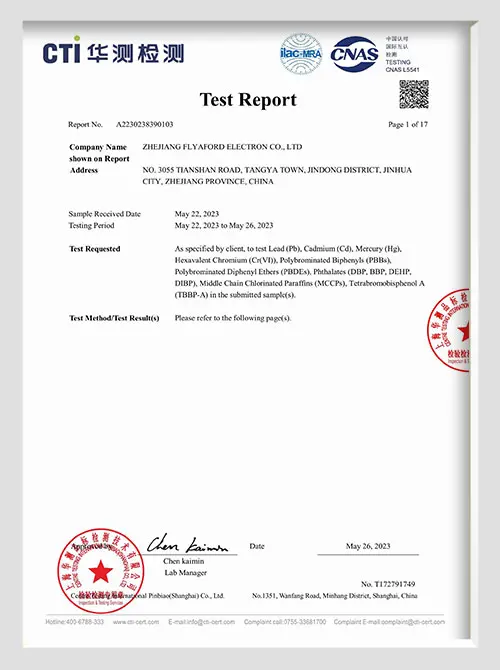
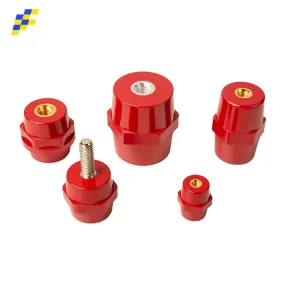
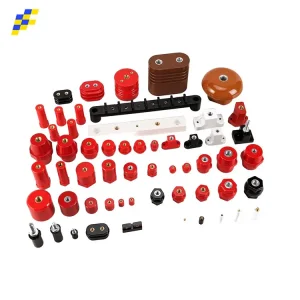
A comprehensive lineup of standoff, busbar, and wall wall-penetration insulators tailored for custom industrial OEM/ODM projects.
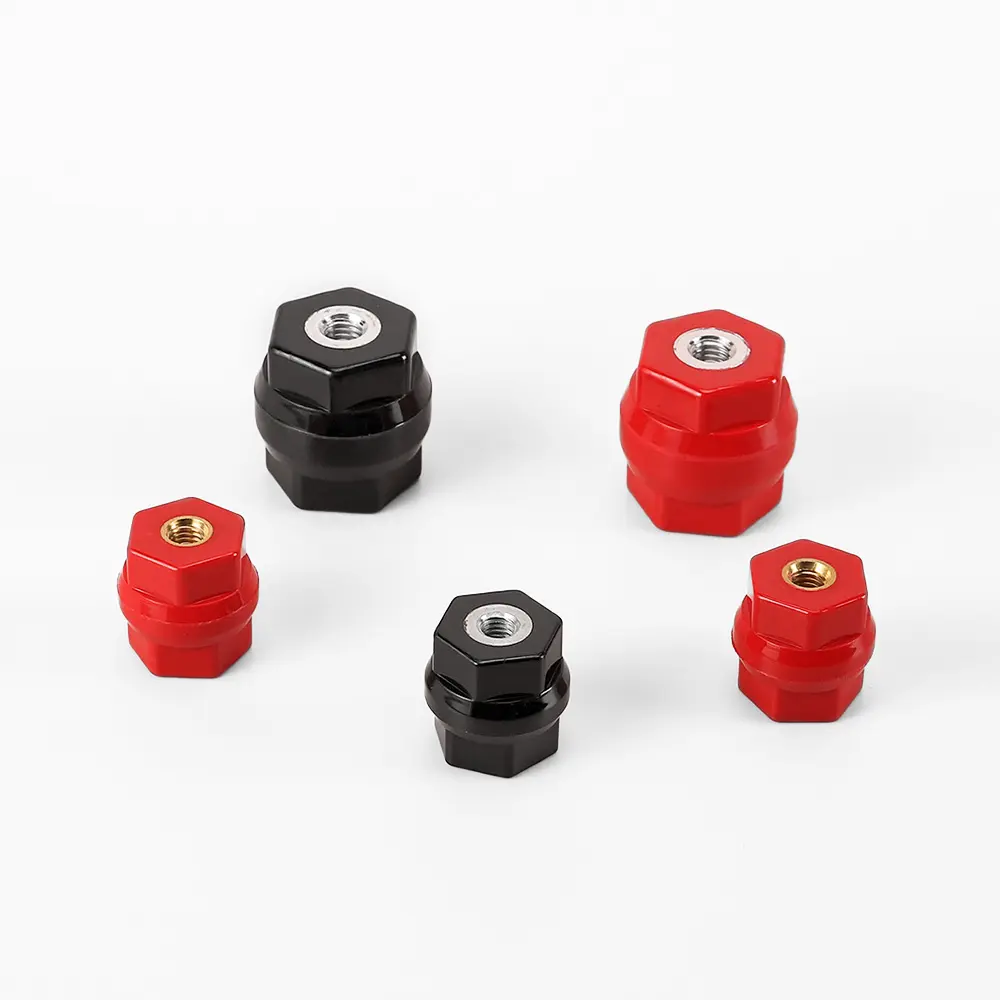
Heavy-duty standoff insulators designed for low-to-medium voltage busbar installation in compact distribution switchboards.
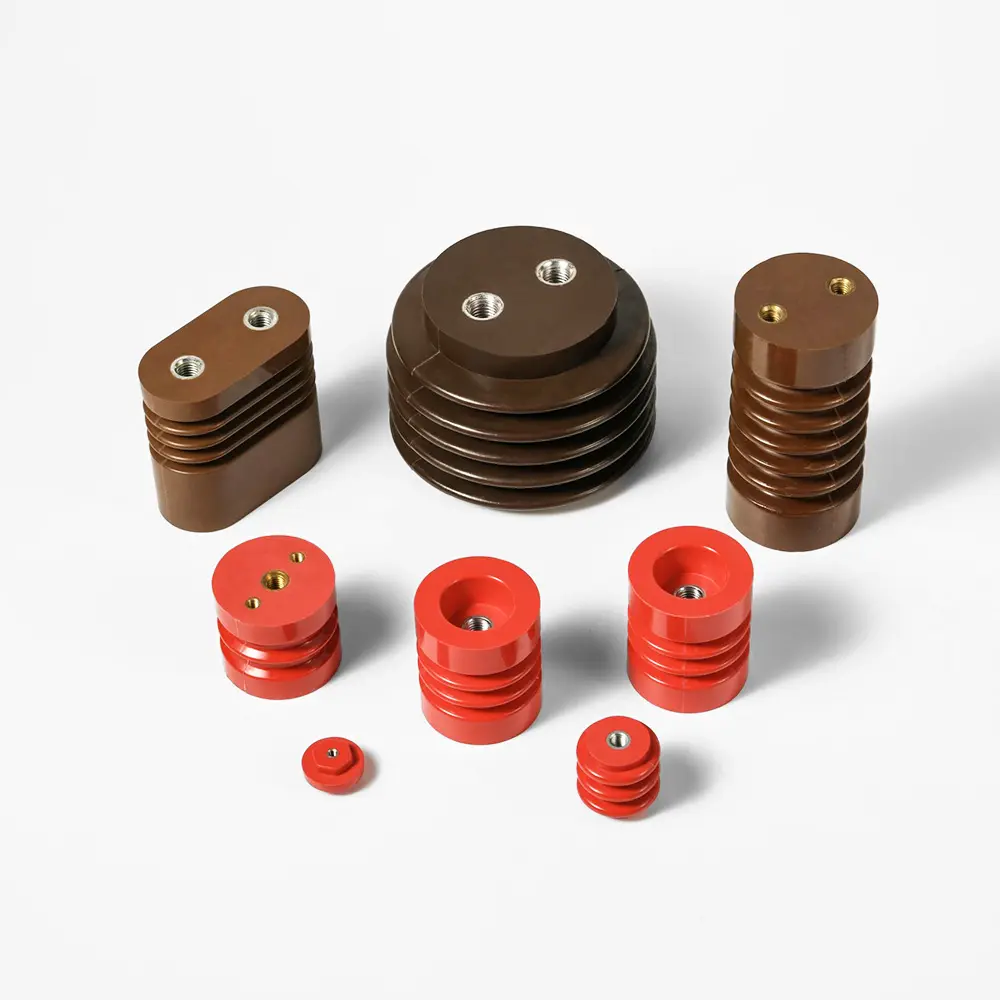
High dielectric safety wall insulators with extended creepage ribbing for polluted or humid industrial environments.

Standardized module-compatible insulators tailored for MNS low-voltage switchgear system cabinets.
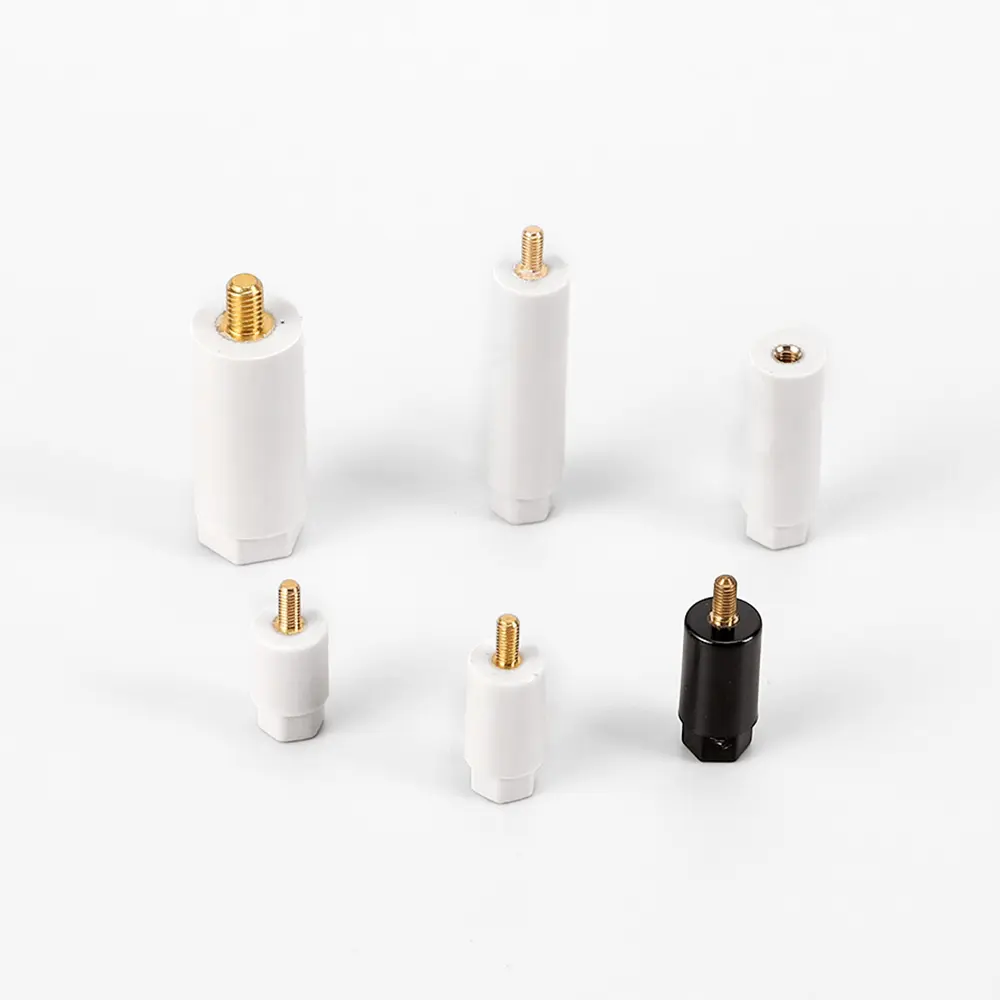
P-Type profile insulation supports offering high cantilever strength for heavy copper and aluminum busbars.
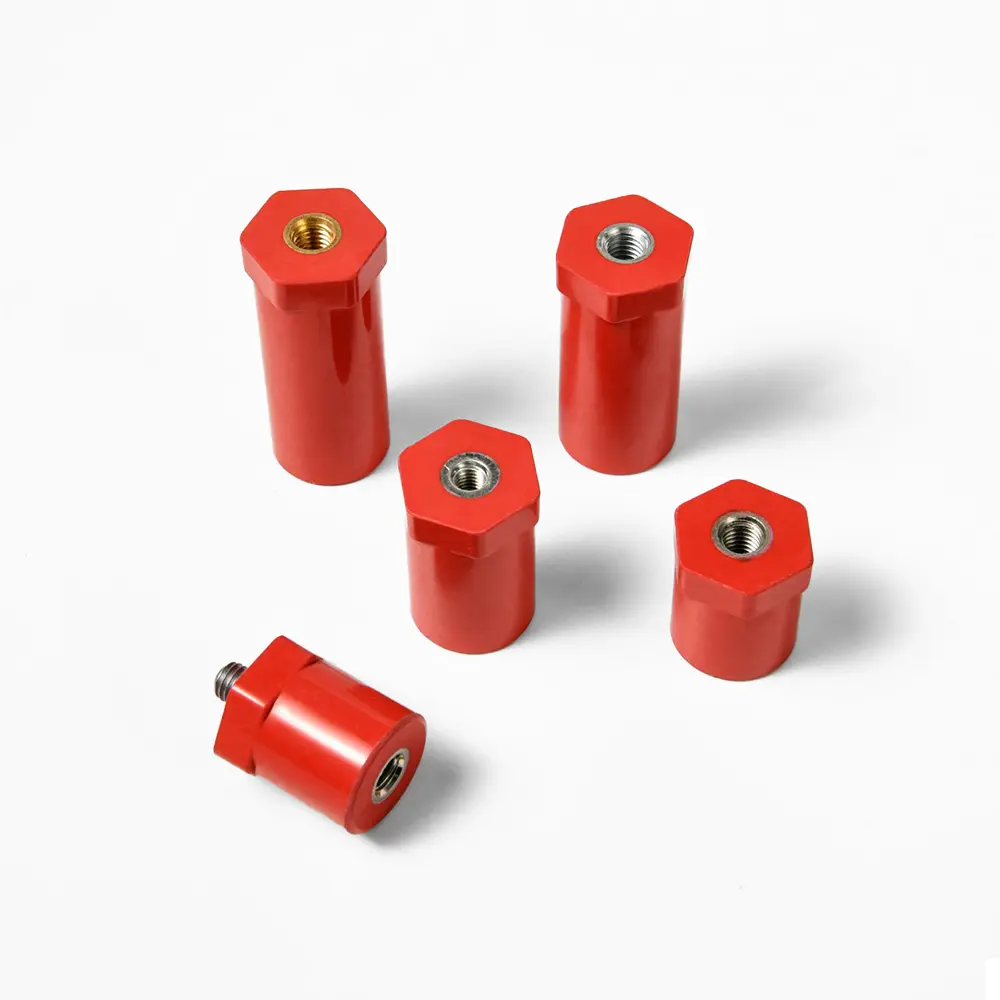
Precision engineered SB standoff insulators with metric threaded brass inserts for secure high-torque fastening.
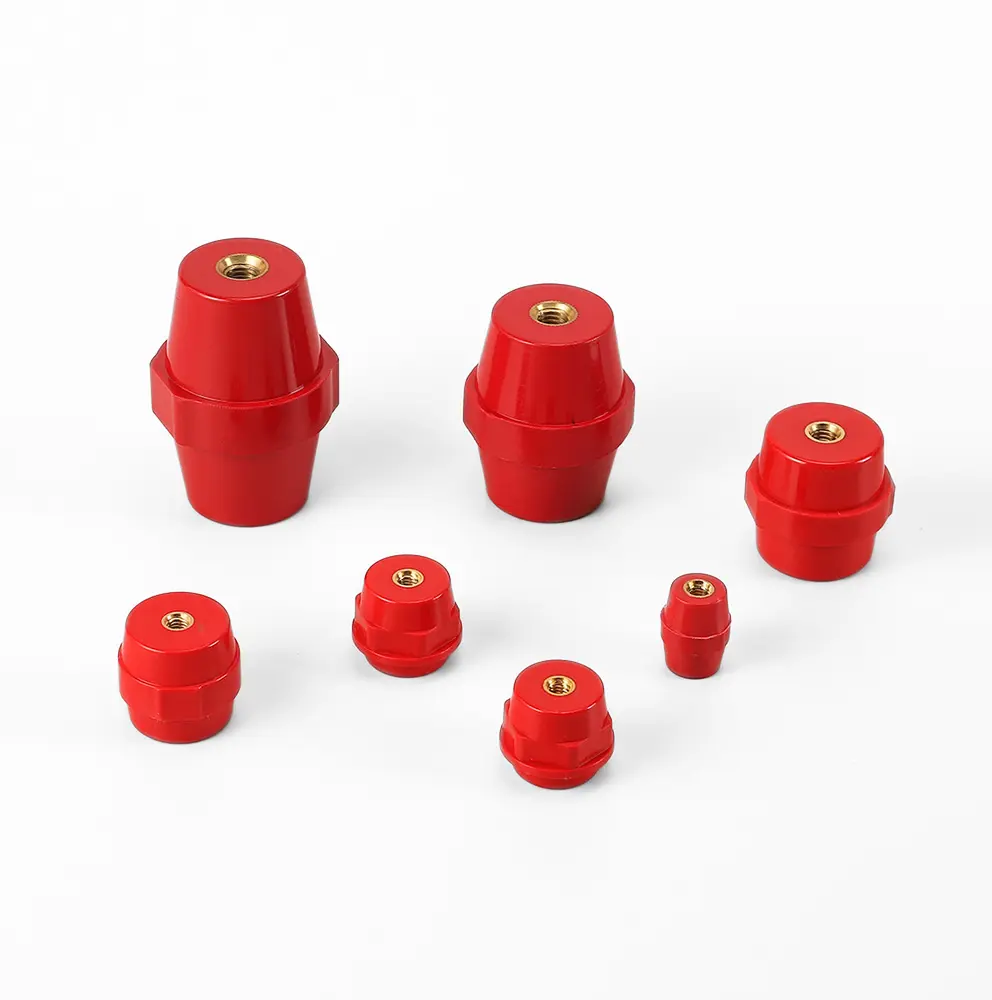
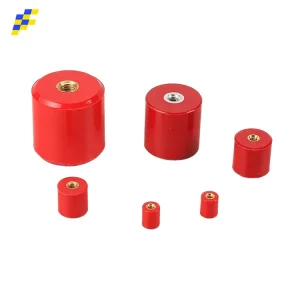
Compact cylindrical poly-insulators engineered for control panels, solar inverters, and power supply units.
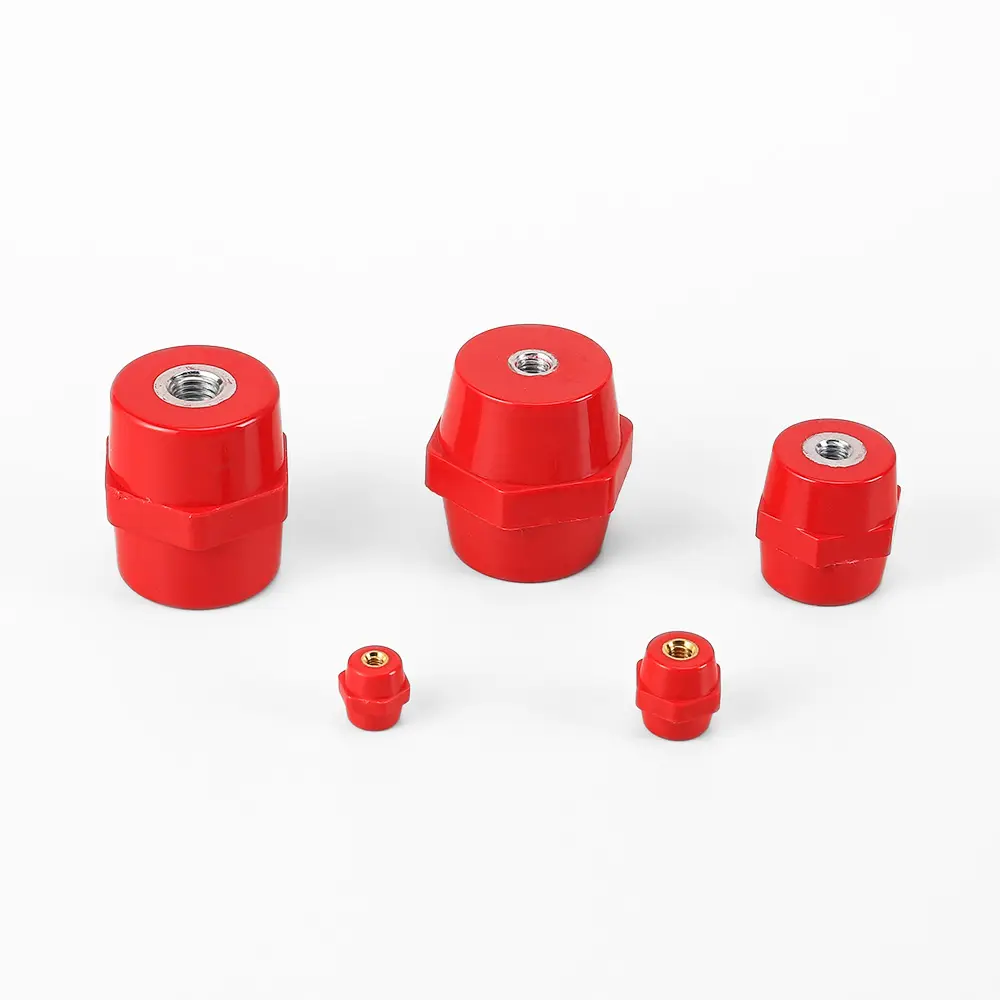
Specialized OEM SEP busbar insulators featuring reinforced structural ribs for dynamic short-circuit containment.

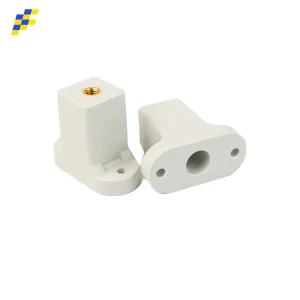
T-Shaped modular insulating supports offering flexible mounting orientation inside custom frequency drives.
Pioneering next-generation composite formulations, smart sensing integration, and sustainable manufacturing practices.
Researching nano-alumina trihydrate (ATH) and surface-modified silica nanofillers to enhance thermal conductivity while maintaining high electrical resistivity, accelerating heat dissipation from enclosed busbar chambers.
Deploying finite element analysis (FEA) software to model electro-thermal mechanical stress gradients across insulator profiles prior to mold fabrication, cutting prototype development lead times by 60%.
Investigating bio-derived polyester matrices and fully recyclable thermosetting systems to lower the product carbon footprint (PCF) in alignment with European Union ESG circular economy mandates.
Expert answers regarding technical selection, CE certification standards, and custom OEM insulator manufacturing.
CE Certification for polymeric standoff and wall insulators primarily falls under the Low Voltage Directive (LVD) 2014/35/EU, adhering to standard EN 60664-1 (Insulation coordination for equipment within low-voltage systems) and EN 61439-1 (Low-voltage switchgear and controlgear assemblies). Compliance requires rigorous verification of creepage distances, clearance distances, impulse withstand voltages, and thermal endurance.
BMC (glass-fiber reinforced unsaturated polyester resin) provides superior cost-efficiency, automated compression molding scalability, exceptional flame retardancy (UL94 V-0 natively), and high mechanical toughness against dynamic short-circuit impact. Epoxy resins offer slightly higher dielectric insulation strength, but BMC provides a more robust overall balance for medium and low-voltage busbar wall penetration applications.
CTI measures the electrical breakdown (tracking) resistance of an insulating material's surface when exposed to electrolytic liquid pollution under voltage. A CTI rating of 600V (Material Group I, the highest standard) guarantees that Flyaford polymer wall insulators resist electrical arcing and carbon tracking even under humid, dusty, or severe industrial environments.
Yes. Flyaford specializes in OEM and ODM custom insulator manufacturing. With 20+ years of engineering experience, our in-house toolmaking team can design custom compression molds, modify height/creepage geometry, specify custom brass/steel thread inserts (M6 to M16, UNC/UNF), and alter compound color profiles (red, black, brown, blue) to match customer specification drawings.
Following IATF 16949 standards, 100% of manufactured insulators undergo automated appearance inspection and flash voltage withstand testing. Batch sampling is performed for micro-torsion testing (0-500 N.m), tensile pulling, thermal shock cycling (-40°C to +140°C), and RoHS 2.0 component analysis, maintaining an ultra-low defect rate below 100 PPM.
Browse our broader range of OEM/ODM custom low-to-medium voltage busbar wall standoff insulators.

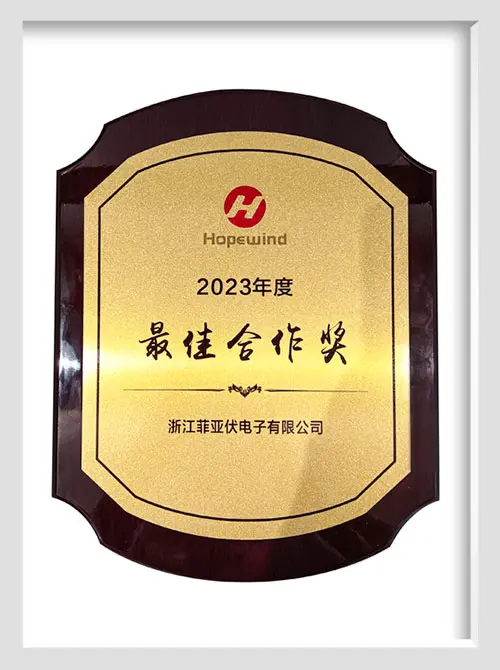
Partnering with global industry leaders and premier academic institutions like Tsinghua University for advanced electrical material R&D.