 Flyaford
Flyaford
Flyaford
High-dielectric standoff and busbar insulation components engineered for severe electrical stress, high-temperature stability, and zero-defect industrial operations.
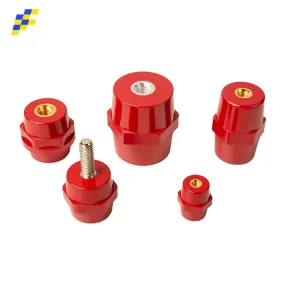
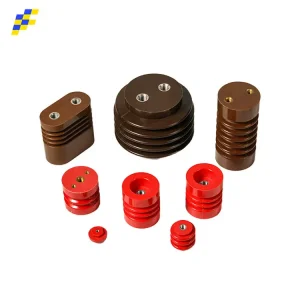
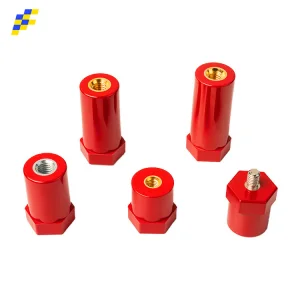
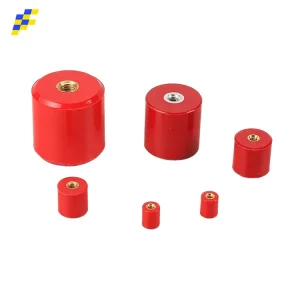
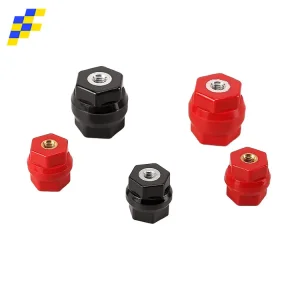
As global energy infrastructure rapidly transitions toward decarbonization, high-density power electronics, and decentralized smart grids, the demand for electrical insulation components with enhanced mechanical toughness and superior thermal stability has skyrocketed. Traditional porcelain and glass standoff insulators—while historically prevalent—are increasingly exposed as single-point vulnerabilities in modern switchgear, energy storage cabinets (BESS), and electric vehicle (EV) charging architectures due to their inherent brittleness, vulnerability to micro-fracturing under mechanical vibration, and heavy mass.
CE-certified flexible composite insulators, synthesized from advanced thermosetting materials such as Bulk Molding Compound (BMC), Epoxy Molding Compound (EMC), and Phenolic Formaldehyde (PF) resins, represent a quantum leap in insulation technology. Designed to satisfy rigorous international electrical safety norms (IEC 60664-1, EN 60060-1), these composite standoff insulators integrate co-molded brass or steel hardware inserts within a glass-fiber-reinforced polymer matrix. The result is an insulating element that combines ultra-high dielectric strength (>25 kV/mm) with exceptional tensile, torsional, and flexural toughness.
In high-vibration applications—such as wind turbine nacelles, high-speed rail traction switchboards, and automotive energy systems—flexible composite insulators deform elastically under mechanical fatigue without micro-cracking. This structural resilience completely eliminates catastrophic dielectric breakdown, minimizing grid downtime and maintaining operational integrity across a thermal spectrum from -40°C up to +140°C.
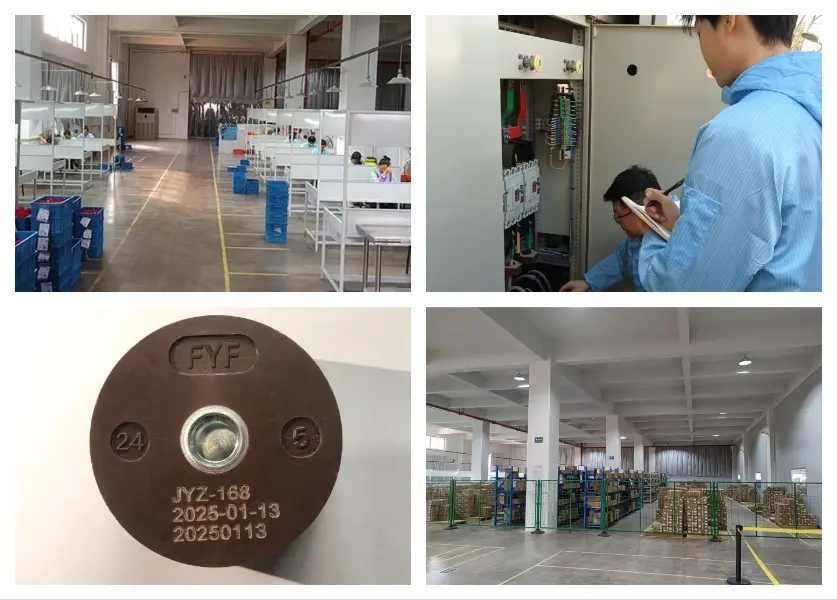
Pioneering Low and Medium Voltage Electrical Insulation Manufacturing Since 2007
Situated within the Jinyi New District of Jinhua City, Zhejiang Province, Zhejiang Flyaford Electron Co., Ltd. stands as an authoritative force in the global manufacturing, R&D, and export of low-to-medium voltage electrical insulators and custom busbar support accessories. Over nearly two decades of continuous innovation, Flyaford has evolved from a specialized mold engineering workshop into a state-recognized "National High-Tech Enterprise" and "Zhejiang Provincial Specialized, Refined, Distinctive, and Innovative SME."
Spanning a modern 35,000-square-meter standardized industrial facility, Flyaford operates over 60 fully automated thermosetting compression molding machines and more than 20 advanced quality verification instruments. Operating in strict adherence to IATF 16949 (automotive quality management) and ISO 9001 standard frameworks, Flyaford delivers zero-defect manufacturing reliability for over 500 enterprise clients globally, serving as an official R&D manufacturing partner for prestigious research institutes including Tsinghua University.
Every batch of composite standoff insulators, busbar supports, and structural insulating hardware undergoes exhaustive quality inspection to satisfy global market access requirements:
From renewable power generation to high-frequency traction control, our flexible composite insulators guarantee zero breakdown under extreme ambient conditions.




Securing busbars inside compact GIS and air-insulated switch cabinets against short-circuit mechanical repulsion forces up to 200kN.
Eliminating high-frequency harmonics, standing wave voltage spikes, and partial discharge damage within industrial motor control centers.
Protecting grid-scale battery racks and power conversion systems (PCS) with high thermal resistance and UL94 V-0 fire insulation safety.
Why global EPC contractors, switchboard builders, and OEM power device brands choose Zhejiang Flyaford as their primary composite insulator supplier.
Outfitted with over 60 high-precision hydraulic molding presses ranging from 100 to 500 tons, operating with automated raw material dosing, temperature profiling, and curing cycle control to maximize structural density.
Every batch of BMC/EMC composite formulation is certified with ROHS 2.0 and REACH testing. Real-time digital monitoring ensures 100% full inspection of dimensional, dielectric, and thread insert strength parameters.
Located within the Yangtze River Delta industrial cluster, Flyaford leverages localized raw material supply chains to offer premium OEM/ODM solutions at 30-40% lower costs than European counterparts.
| Test Parameter | Equipment Specification | Testing Range & Standards | Engineering Objective |
|---|---|---|---|
| Torsional Mechanical Strength | Microcomputer Torsion Testing Machine | 0 – 500 N·m | Prevents thread shear & insert torque stripping during installation |
| Tensile & Flexural Strength | Universal Tensile Testing Machine | 0 – 200 kN | Ensures structural integrity under maximum electrodynamic short-circuit load |
| Partial Discharge Safety | Screened Partial Discharge Testing Room | 0 – 120 kV (< 5 pC sensitivity) | Detects internal micro-voids to prevent insulation degradation |
| Lightning Impulse Withstand | High Voltage Lightning Impulse Generator | 0 – 300 kV (1.2/50 µs wave) | Validates surge protection during atmospheric lightning strikes |
| Environmental Shock Resistance | Dual-Chamber Thermal Shock Chamber | -40°C to +140°C Rapid Cycling | Guarantees zero thermal cracking under extreme climate shifts |
| Fire & Flame Retardancy | Vertical & Horizontal Burning Test Chamber | UL94 V-0 Standard Rating | Ensures self-extinguishing safety in power infrastructure fires |
| Corrosion & Salt Spray Resistance | NSS/CASS Salt Spray Test Chamber | 96 – 1000 Hours Continuous Exposure | Validates brass/steel insert corrosion resistance in coastal plants |
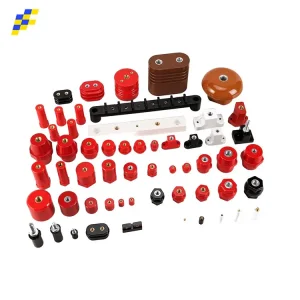
Explore Flyaford's full range of low and medium voltage standoff insulators engineered for specific busbar geometries, voltage classes, and mounting configurations.
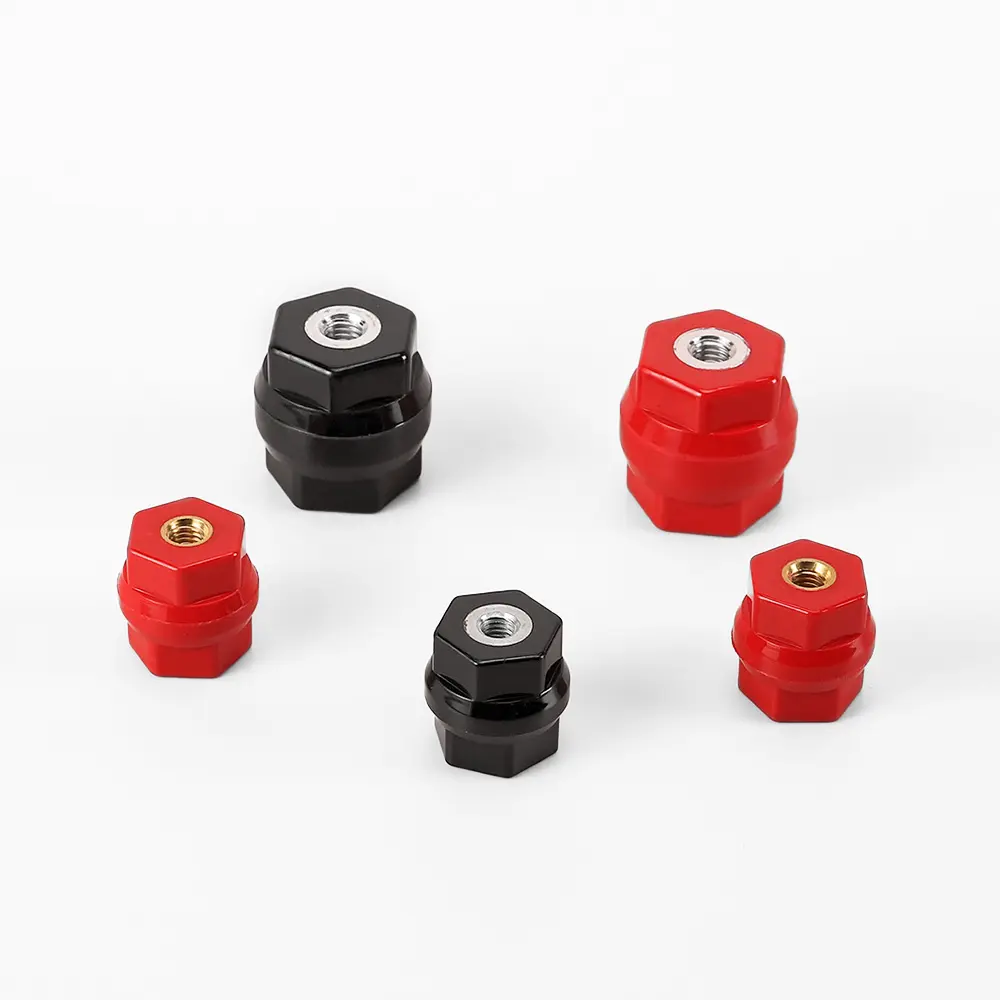
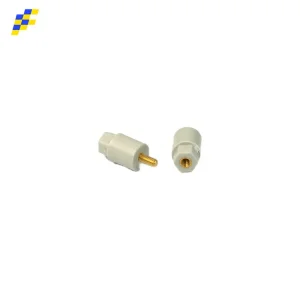
Standard standoff design with hex-base for easy wrench tightening. Ideal for distribution panels and control boxes.
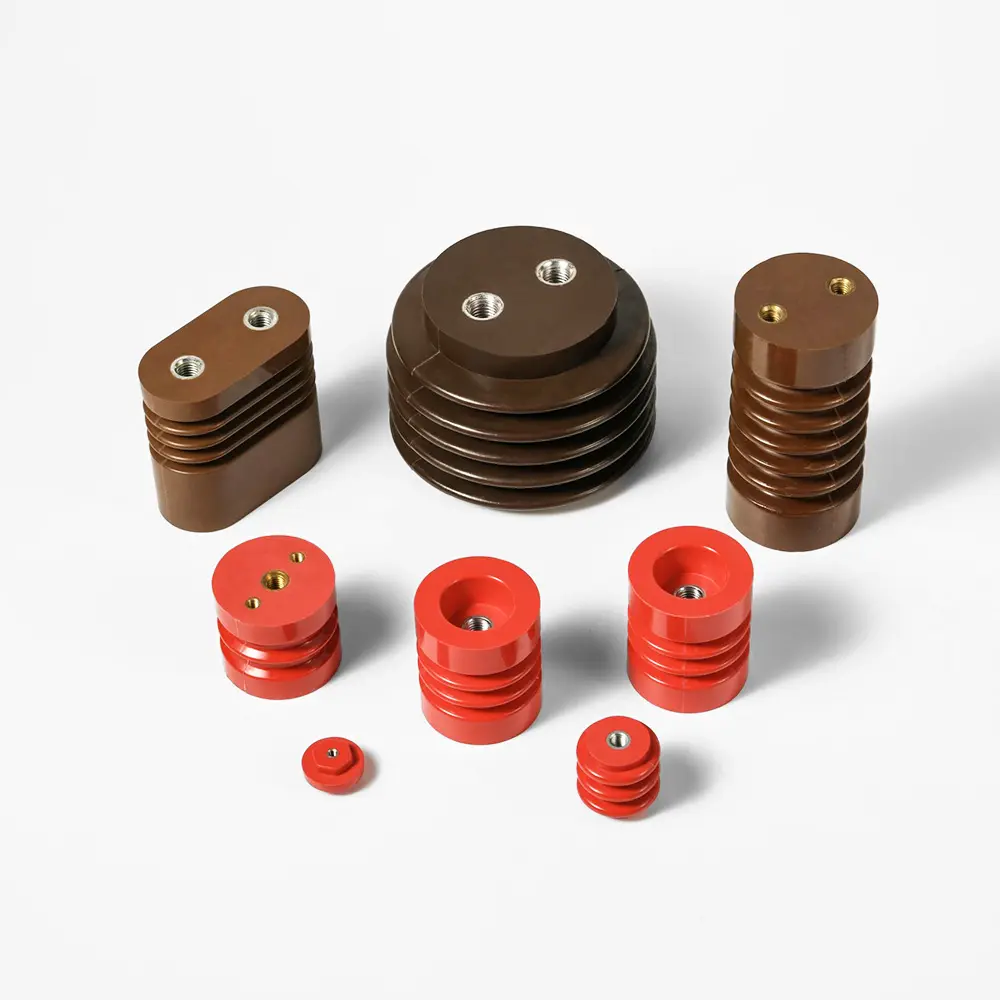
Engineered for high-voltage dielectric safety with elongated creepage ribs for enhanced tracking resistance.

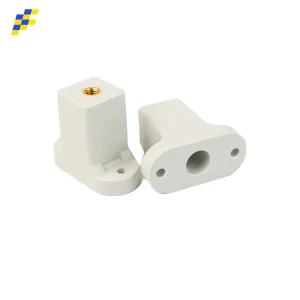
Designed specifically for modular low-voltage switchgear systems (ABB MNS compatible structures).
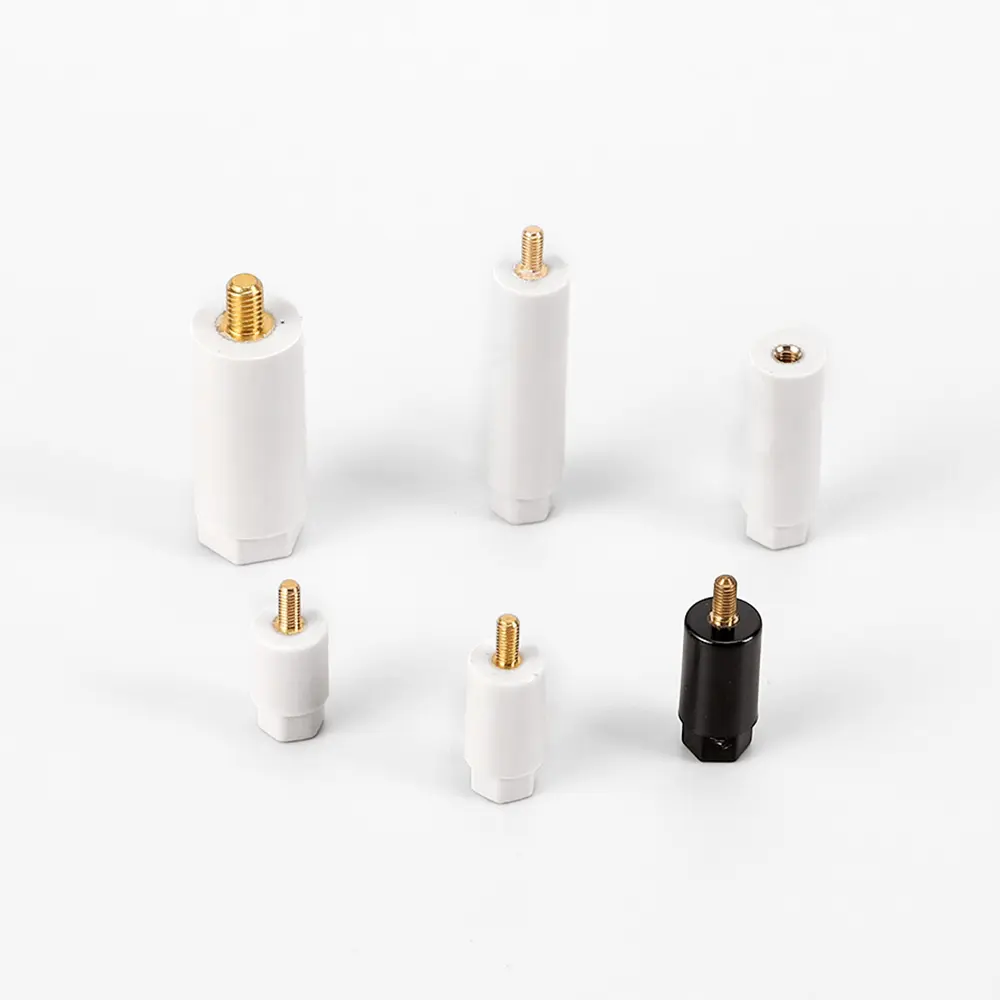
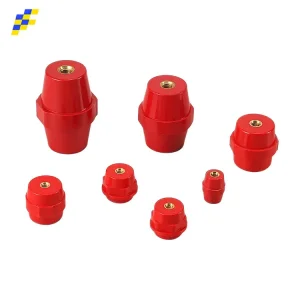
Conical and cylindrical standoff profiles providing high cantilever strength for heavy copper busbar support.
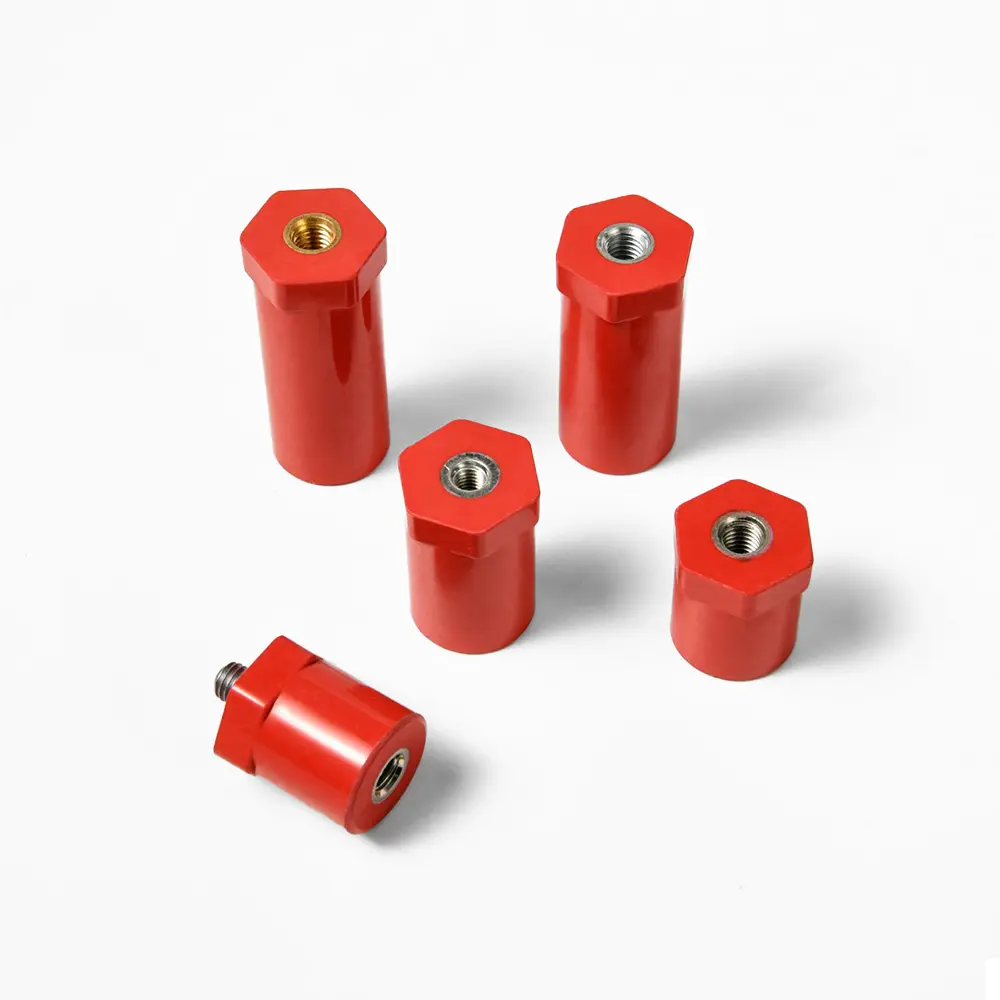
Heavy-duty SB 14-20 series designed for battery racks, energy storage systems, and traction power supplies.
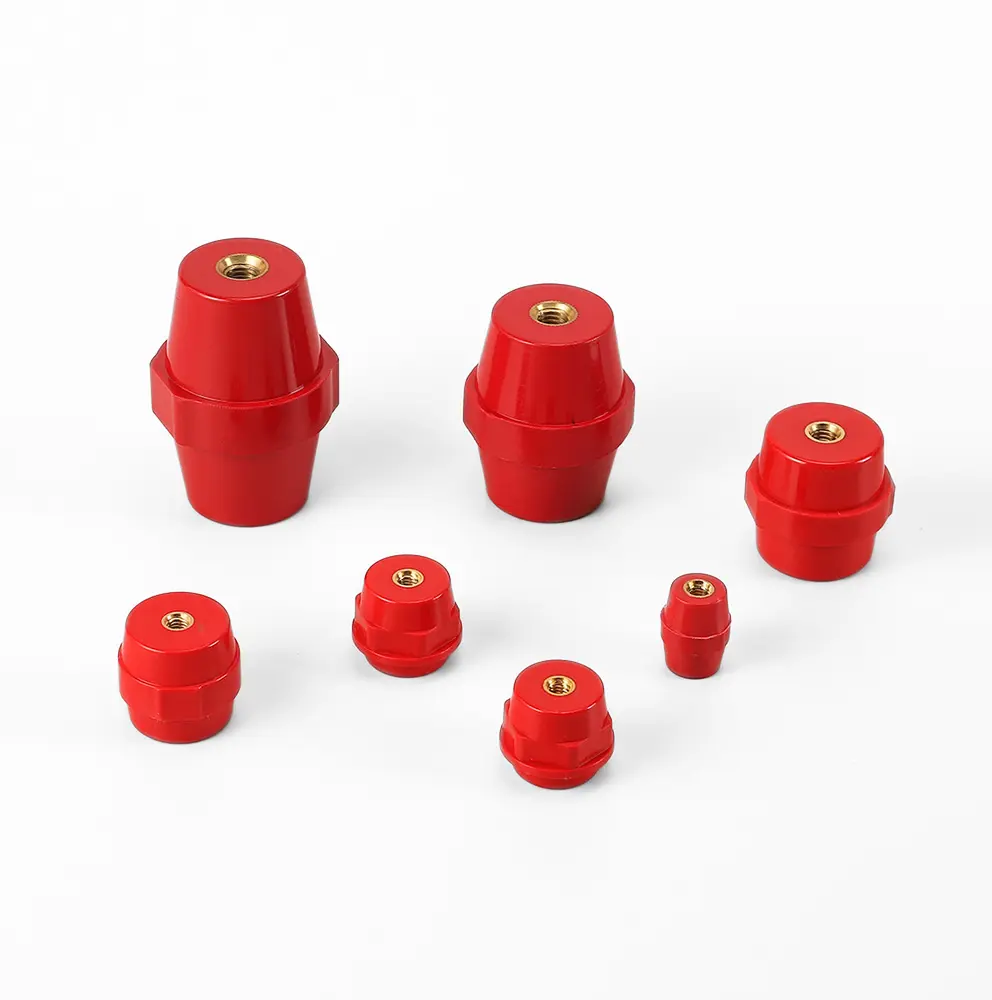
Ultra-compact SM series for space-constrained frequency inverter cabinets and compact transformer housings.
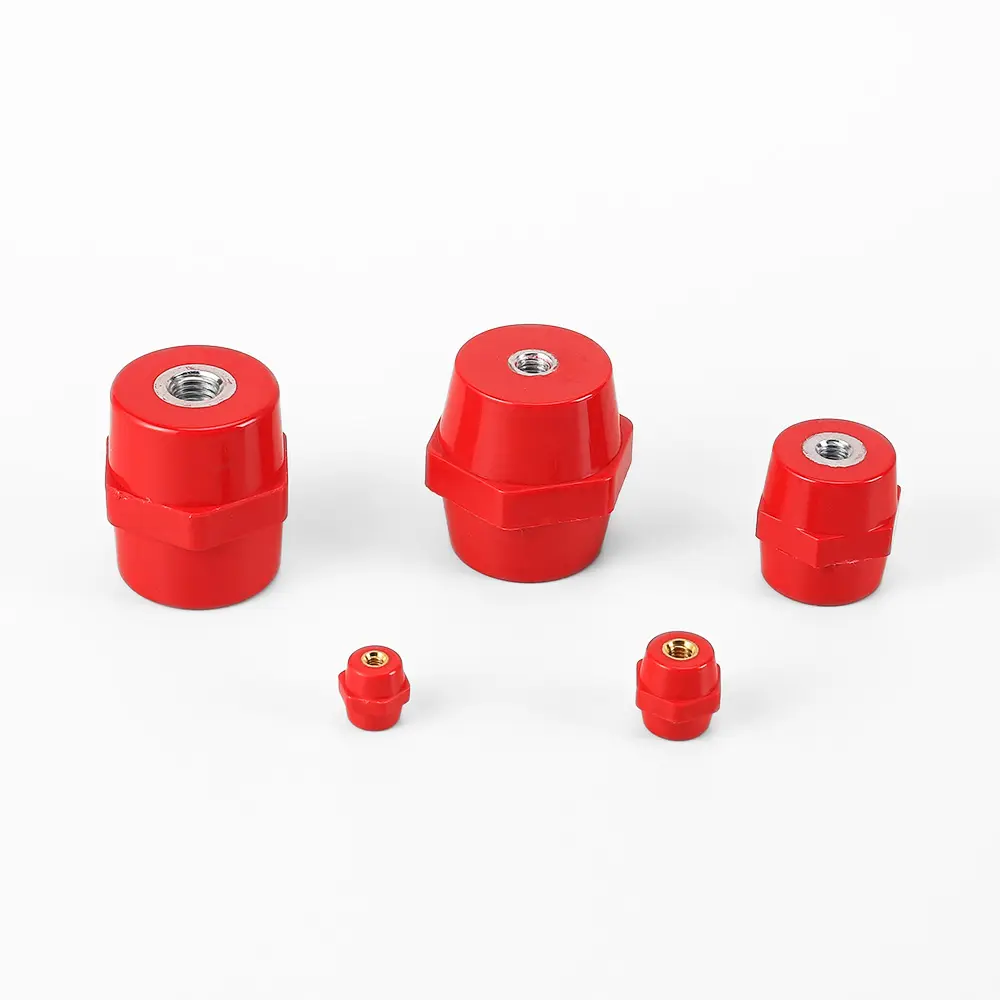
High-performance composite insulators engineered for smart power distribution networks and grid automation.

T-shape modular busbar supports tailored for dual-phase and three-phase copper bar alignment.
Audited and trusted by Fortune 500 energy leaders, Tier-1 automotive manufacturers, and top academic institutions worldwide.









Get technical clarity on CE certification, material selection, creepage distances, and custom OEM ordering procedures.
To obtain CE EU safety certification, our flexible composite insulators undergo rigorous compliance testing according to EN 60664-1 (Insulation coordination for equipment within low-voltage systems) and EN 60060-1 (High-voltage test techniques). Key evaluations include power frequency withstand voltage testing (0-100kV), lightning impulse withstand tests (up to 300kV peak), tracking resistance (CTI ≥ 600V), and thermal deformation analysis under full load. Compliance ensures safe deployment across all EU member states.
BMC (unsaturated polyester reinforced with short glass fibers) offers an outstanding balance of mechanical strength, high dielectric properties, UL94 V-0 flame retardancy, and exceptional cost-efficiency, making it the industry standard for low-to-medium voltage standoff insulators. EMC (epoxy molding compound) provides higher mechanical modulus, lower moisture absorption, and superior glass transition temperatures (Tg), making it preferred for specialized high-temperature automotive EV battery modules and ultra-compact switchgear applications.
Flyaford uses advanced direct compression co-molding, positioning precision-machined brass or zinc-plated steel inserts inside the molding cavity prior to high-pressure composite injection. This process chemically bonds and mechanically locks the metal insert within the thermosetting matrix. Unlike secondary glued inserts—which suffer from thermal expansion mismatch, adhesive degradation, and thread pull-out—co-molded inserts deliver up to 500 N·m torsional torque resistance and withstand severe thermal cycling from -40°C to +140°C.
Yes. We specialize in comprehensive OEM/ODM engineering. Supported by an in-house tooling workshop, 26 patents, and a dedicated team of electrical engineers, we can customize height dimensions, shed rib counts (for extended creepage distance in humid/coastal environments), internal female thread sizes (M6, M8, M10, M12, M16, UNC threads), and custom composite material color formulations. Production sample lead times range from 7 to 15 days upon drawing confirmation.
Our quality assurance protocol combines IATF 16949 automotive-grade process control with 100% full visual and electrical flashover inspection before packaging. High-precision automated molding equipment maintains continuous pressure and mold temperature stability, preventing internal voids or air pockets. Every lot is batch-tested for microcomputer torque, impulse withstand, and dimensional accuracy to ensure flawless performance upon arrival.
Select from our comprehensive list of CE-certified low-medium voltage standoff insulators for reliable power network protection.