 Flyaford
Flyaford
Flyaford
High-performance medium and low voltage BMC/DMC standoff insulators engineered for extreme particulate contamination and high humidity environments.
Technical analysis of surface flashover mitigation, environmental ingress protection, and power system reliability under heavy particulate loading.
As the global energy transition accelerates, modern electrical infrastructure faces unprecedented operational stresses. Electrical switchgear, renewable energy power cabinets, industrial frequency converters, and battery energy storage systems (BESS) are increasingly deployed in hostile environmental conditions. Among these environmental hazards, industrial airborne dust, ambient cement particulates, coal dust, coastal salt-mist, and desert silica represent primary drivers of insulation failure.
In electrical engineering terms, dust accumulation on standard standoff insulators creates a conductive particulate layer when exposed to ambient humidity or condensation. This phenomenon drastically reduces the material’s surface insulation resistance, leading to dry-band arcing, electrical tracking, leakage current escalation, and catastrophic dielectric flashover. Consequently, global original equipment manufacturers (OEMs), engineering procurement contractors (EPCs), and power grid utilities demand CE Certification Dust Resistant Insulators engineered with optimized shedding profiles and superior Comparative Tracking Index (CTI) ratings.
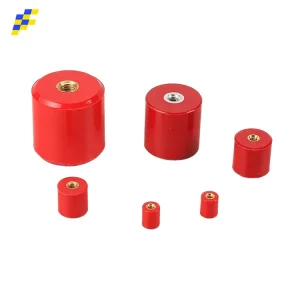
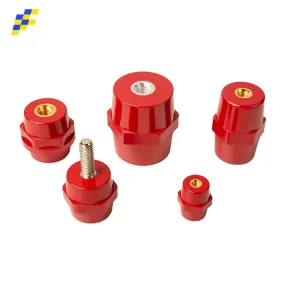
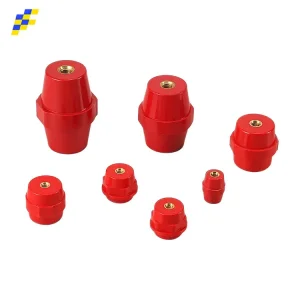
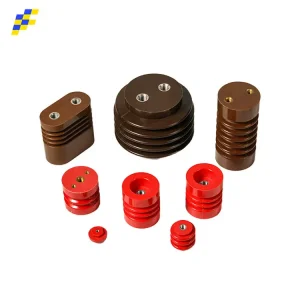
Dust-resistant insulators utilize advanced thermosetting polymer formulations (such as Bulk Molding Compound - BMC and Sheet Molding Compound - SMC/DMC) integrated with specialized hydrophobic additives. Designed with optimized shed ribs and extended creepage distances, these components prevent the formation of continuous conductive paths under severe particulate contamination, complying with IEC 60664-1 Pollution Degree 3 and 4 standards.
Specially formulated thermosetting BMC/DMC composite resins prevent surface carbonization during high-voltage flashover events, guaranteeing high mechanical rigidity and zero micro-cracking under severe industrial dust loading.
Embedded brass or steel threaded inserts engineered to withstand extreme torsional torques (up to 500 N.m) without structural shearing, ensuring long-term mechanical clamping forces in vibrating industrial switchboards.
Full adherence to European Union Low Voltage Directive (LVD) CE standards, UL94 V-0 flame retardancy, and ROHS 2.0 / REACH compliance for seamless integration into tier-1 international export projects.
Established in 2007 in Jinyi New District, Jinhua City, Zhejiang Province. A Recognized National High-Tech Enterprise and World-Class Insulator Pioneer.
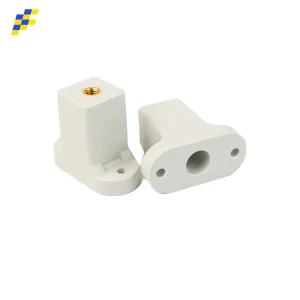
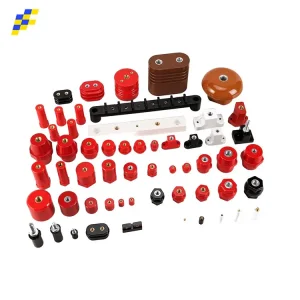
Zhejiang Flyaford Electron Co., Ltd. operates state-of-the-art compression molding equipment, boasting over 60 high-precision molding presses and 20+ advanced laboratory testing devices. Employing over 120 skilled technical staff, the company specializes in low-to-medium voltage busbar standoff insulators, SM series, SEP series, MNS series, P-Type, EL series, and custom-molded thermosetting composite insulation accessories.
Recognized as a "Zhejiang Provincial Specialized, Refined, Distinctive, and Innovative SME" and the home of the "Jinhua Flyaford High-Performance Insulator Science and Technology R&D Center", Flyaford maintains rigorous research collaborations with top academic entities, including Tsinghua University, serving as their designated official insulator development partner.

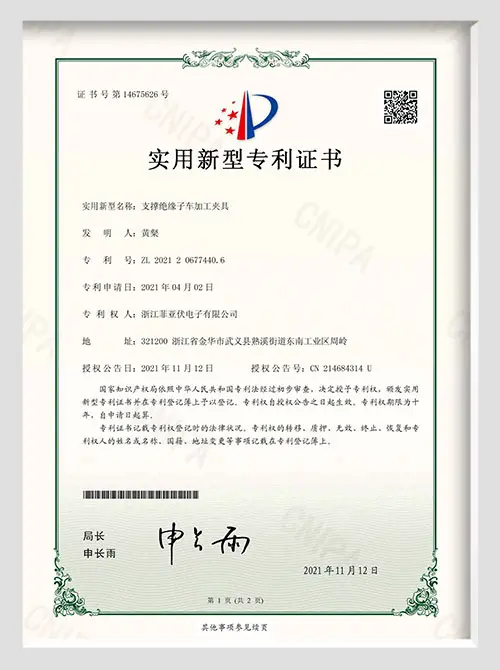

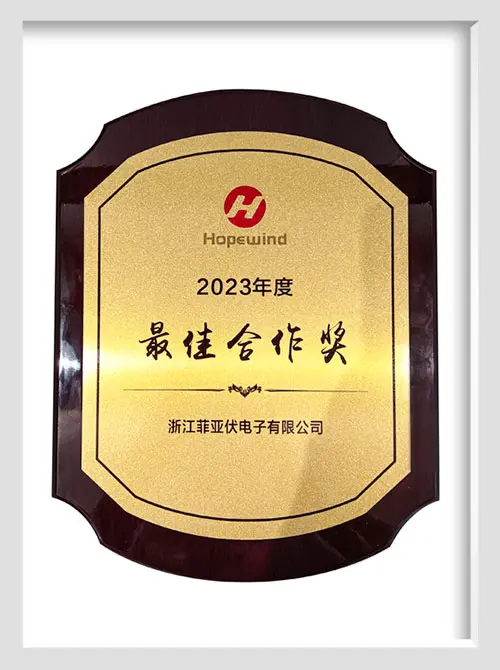
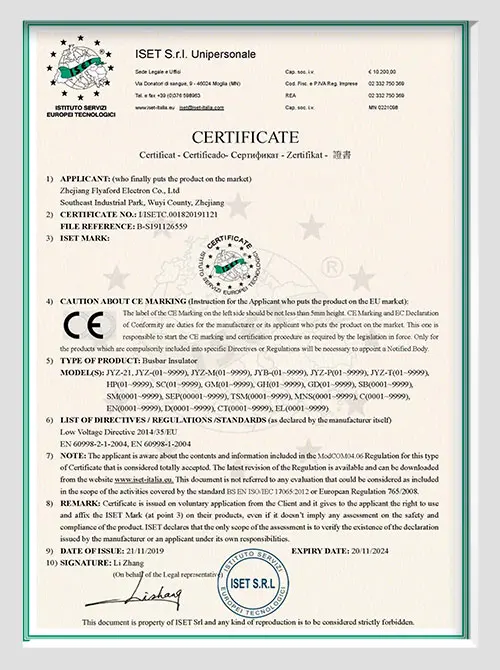
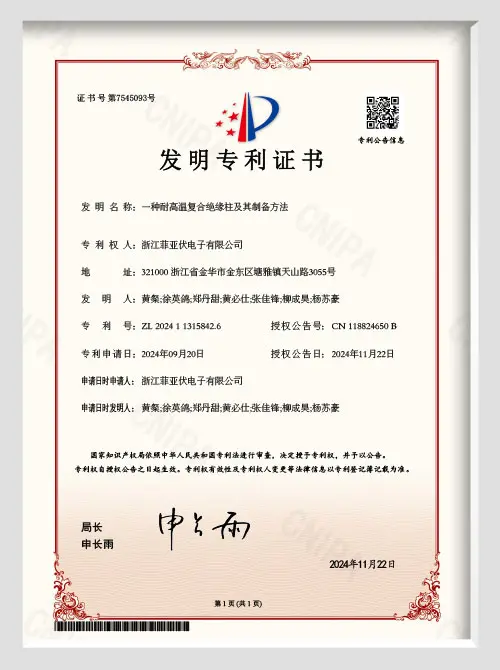
Why leading global power giants source high-voltage composite insulators directly from Zhejiang Flyaford's automated smart plant.
Flyaford’s smart factory utilizes digital real-time parameters monitoring across 60+ thermosetting compression molding units. From automated raw material dosing of BMC (Bulk Molding Compound), DMC, and Phenolic Resin (PF) to closed-loop temperature adjustment, digital integration reduces cycle times, eliminates material porosity, and guarantees batch-to-batch dimensional stability within strict OEM tolerances.
Every batch undergoes stringent verification in our high-standard testing laboratory equipped with microcomputer torsion testers (0-500N.m), universal tensile machines (0-200KN), partial discharge chambers (0-120KV), lightning impulse test units (0-300KV), salt spray test chambers, double 85 high-humidity enclosures, and ROHS material spectrum analyzers.
Unlike standard sampling techniques, Flyaford enforces 100% inspection for electrical breakdown resistance, appearance zero-defect criteria, and thread tolerance checks on every single insulator.
By controlling in-house mold design, insert machining, and composite compounding in Zhejiang, we offer international buyers a 25-40% cost efficiency over Western European suppliers.
Automotive-grade quality management controls safeguard full production traceability, enabling seamless supply chain integration for electric vehicle OEMs and critical energy storage systems.
Engineered to excel across diverse environmental hazards, from desert solar farms to airborne dust-heavy mining operations.

Offshore and desert wind turbines operate under high vibration, airborne salt, and particulate mist. Flyaford dust-resistant insulators ensure anti-tracking protection for nacelle converter panels and step-up busbars.

Utility-scale solar farms located in arid sandstorm regions rely on SM and SEP series insulators to resist high ambient thermal cycles (-40°C to 140°C) and heavy sand particulate build-up inside DC combiner boxes.

High humidity paired with chemical dust particles presents high risk of electrical surface leakage. Our CE certified hydrophobic insulators maintain structural and dielectric integrity under harsh corrosive vapors.

Serving as crucial standoff supports in switchgear distribution networks, providing structural rigidity under severe short-circuit electromagnetic mechanical forces while blocking dust bridging.

Frequency conversion units in automated factories emit continuous high-frequency harmonics. Flyaford composite insulators suppress partial discharge and prevent dust-induced breakdown.
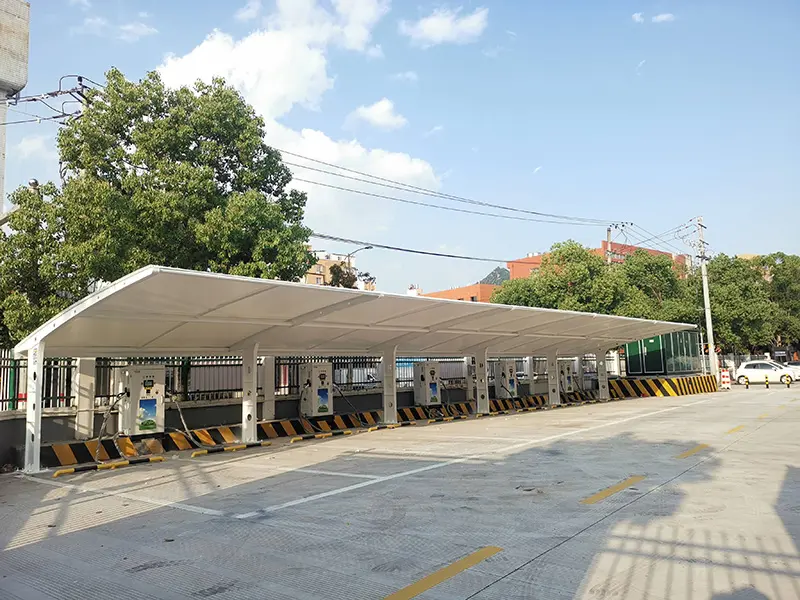
Engineered to meet IATF 16949 automotive standards, protecting EV battery distribution units (BDUs) and high-speed rail electrical power grids against mechanical shocks and brake dust build-up.
International procurement managers, substation engineers, and OEM buyers must evaluate several key criteria when specifying dust-resistant insulators for global tenders:
The global electrical insulator sector is undergoing rapid technological innovation driven by smart grid expansions and extreme weather resilience mandates:
Integration of self-cleaning nano-silica hydrophobic coats that actively shed dust particles during ambient airflow and rain events.
Development of bio-based resins and low-carbon composite formulations aligning with international ESG procurement policies.
Embedding micro-sensors directly within busbar standoff insulators to transmit real-time insulation resistance metrics to cloud AI diagnostics.
From preliminary CAD/3D mold design to rapid prototyping and lifetime technical field assistance.
Our senior electrical engineering team analyzes your operating voltage, environmental pollution degree, mechanical load requirements, and custom dimensions to design optimal insulator profiles.
In-house tooling facility enables fast prototype creation. Sample dispatches within 48 to 72 hours for client lab verification and mechanical load testing.
Execution of high-volume production backed by 60+ compression molding presses delivering over 200,000 components per day with tight batch quality control.
Remote and on-site engineering troubleshooting. Inquiries answered within 2 hours. Replacement guarantees and full force reproduction activity testing for any operational queries.
Detailed technical answers to clear procurement queries regarding CE compliance, creepage design, and material resilience.
Explore our full line of BMC/DMC composite insulators designed for medium and low voltage distribution systems worldwide.
Trusted by Tsinghua University, top state grid contractors, and leading global electrical equipment manufacturers.