 Flyaford
Flyaford
Flyaford
Engineered with High-Grade BMC, EMC, and PF Thermosetting Resins for Superior Mechanical Strength and Dielectric Performance
Analyzing Thermal-Electrical Synergies, Grid Modernization, and Carbon Neutrality Mandates
The global electrical power distribution and industrial automation ecosystem is undergoing a seismic structural transition. Driven by the dual imperatives of global decarbonization and high-density electrification, traditional porcelain and glass insulator solutions are increasingly being replaced by advanced Hybrid Composite Insulators. As utility grids, renewable energy installations (solar PV and offshore wind), energy storage systems (ESS), and electric vehicle (EV) charging super-hubs demand higher operational reliability under severe environmental stresses, bulk molding compounds (BMC), epoxy molding compounds (EMC), and phenolic resins (PF) have emerged as the foundational material standards.
Information Gain Key Takeaway: Modern hybrid composite insulators combine high mechanical tensile/torsional strength with self-healing dielectric properties. Unlike legacy ceramic materials susceptible to brittle fracture and moisture-induced tracking, BMC and EMC thermosetting composites provide zero moisture absorption, superior flame retardancy (UL 94-V0 compliance), and robust vibration damping critical for high-vibration applications such as railway traction and EV powertrains.
Global investments in smart grid automation require low-and-medium-voltage standoff insulators with exceptional dielectric breakdown voltage (>25 kV/mm) and minimal partial discharge levels (<5 pC at rated voltage) to ensure 30+ years of maintenance-free service.
Utility-scale battery energy storage systems (BESS) and inverter enclosures generate localized heat profiles up to 120°C. Thermosetting BMC/EMC composite insulators provide CTE (Coefficient of Thermal Expansion) matching with copper/brass hardware inserts to eliminate micro-cracking.
High-speed rail power infrastructure and electric commercial vehicle battery packs require ultra-compact busbar supports engineered to endure mechanical shock loads up to 200 kN and extreme thermal cycles (-40°C to +140°C).
Pioneering High-Performance Insulation Technology Since 2007 in Jinyi New District, Jinhua City, Zhejiang Province
ZHEJIANG FLYAFORD ELECTRON CO., LTD. is a national high-tech enterprise specializing in the R&D, precision compression molding, and global supply of low-to-medium voltage electrical insulation components. Equipped with over 60 automated molding machines, 20+ specialized testing instruments, and a workforce of over 120 skilled technical staff, Flyaford operates a state-of-the-art smart facility capable of scaling production while maintaining rigorous automotive-grade quality standards (IATF 16949).
Recognized as a "Zhejiang Provincial Specialized, Refined, Distinctive, and Innovative SME" and housing the "Jinhua Flyaford High-Performance Insulator Science and Technology R&D Center," the company maintains strategic research partnerships with top-tier academic institutions, including Tsinghua University. Flyaford is a designated insulator supplier for Tsinghua University's high-voltage laboratories and advanced energy research groups.
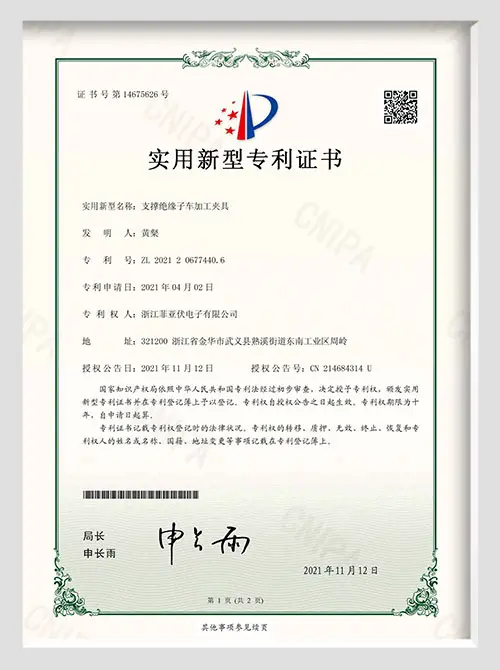
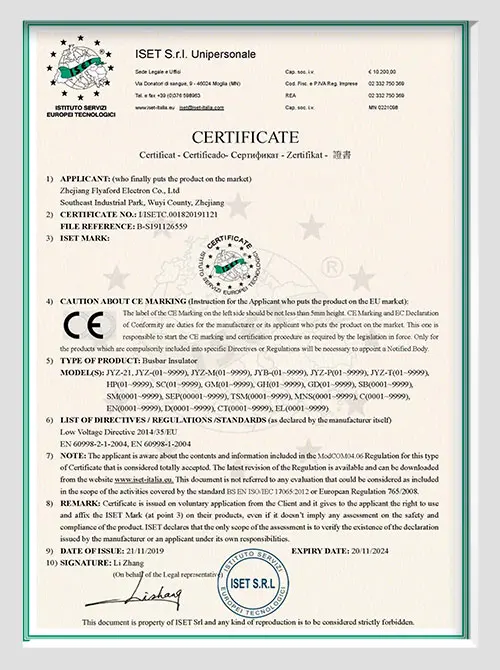
Certified to Automotive & International Safety Standards: IATF 16949, UL, ISO 9001, ISO 14001, CE, ROHS 2.0, REACH



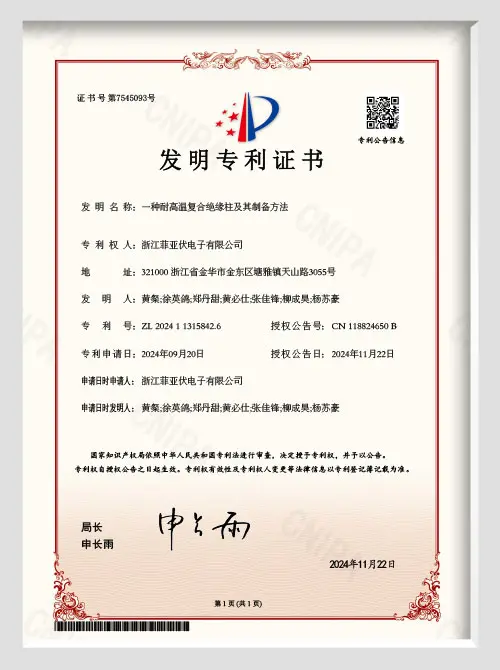

In-Depth Formulation Analysis for Mechanical, Electrical, and Thermal Parameter Optimization
Selecting the optimal composite substrate is paramount to ensuring continuous performance across extreme environmental exposure. Bulk Molding Compound (BMC), Epoxy Molding Compound (EMC), and Phenolic Formaldehyde (PF) represent the three core pillars of thermosetting polymer engineering used at Flyaford's manufacturing plant.
| Performance Parameter | BMC (Bulk Molding Compound) | EMC (Epoxy Molding Compound) | PF (Phenolic Resin Compound) |
|---|---|---|---|
| Primary Polymer Base | Unsaturated Polyester + Glass Fiber | Epoxy Resin + Silica / Glass Filler | Phenolic Resin + Mineral Fillers |
| Dielectric Strength (kV/mm) | 18 - 24 kV/mm | 25 - 32 kV/mm | 12 - 16 kV/mm |
| Flexural Strength (MPa) | 120 - 160 MPa | 160 - 220 MPa | 90 - 130 MPa |
| Comparative Tracking Index (CTI) | CTI 600 (PLC 0) | CTI 600 (PLC 0) | CTI 175 - 225 |
| Flame Retardancy Standard | UL 94-V0 (Self-Extinguishing) | UL 94-V0 (Halogen-Free) | UL 94-V0 / V1 |
| Thermal Shock Tolerance | -40°C to +140°C | -50°C to +180°C | -30°C to +130°C |
| Primary Application Envelope | Low-Medium Voltage Busbar Standoffs, Switchgear, Solar Inverters | High-Precision EV Powertrains, Sub-station Instrumentation | Cost-Effective Low Voltage Control Cabinets & Distribution Panels |
A primary failure mode in standoff insulators is insert pull-out or threading destruction during busbar bolting. Flyaford utilizes custom-designed knurled brass, steel, and aluminum inserts subjected to precision knurling patterns (diamond and helical). Our microcomputer torsion testing machine verifies torque performance from 0 to 500 N.m, ensuring zero insert slippage under dynamic mechanical stress.
By integrating micro-silane surface treatments and hydrophobic filler technology, Flyaford composite insulators undergo rigorous "Double 85" testing (85°C ambient temperature at 85% relative humidity for 1,000+ continuous hours). The result is stable insulation resistance (>1 TΩ) even in tropical marine environments.
100% Electrical Withstand Inspection & Full Process Traceability
To deliver flawless performance for critical infrastructure, Flyaford has invested heavily in creating an in-house verification facility equipped with full-spectrum analytical and mechanical testing machinery. Every production lot undergoes rigorous sampling and full 100% electrical withstand screening.
How China’s Industry 4.0 Ecosystem Drives Unrivaled Cost-Efficiency and Zero-Defect Delivery
In an era of global supply chain volatility, international OEMs require procurement partners capable of offering guaranteed delivery timelines, scalable volume, and price stability. Located in the heart of Zhejiang’s advanced manufacturing belt, Flyaford leverages complete upstream-to-downstream integration.
Our smart factory integrates real-time digital monitoring systems to oversee every step—from raw polymer compounding, mold cavity temperature control, to automated demolding and optical vision inspection. By collecting operational data continuously, molding parameter adjustments occur in real time, virtually eliminating human error and maintaining production defects below 100 PPM.
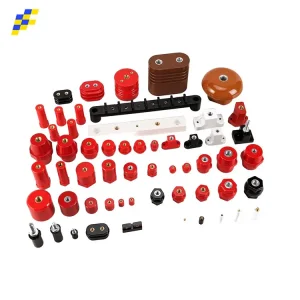
Standardized Dimensions and Custom Mold Configurations Available for Worldwide Application Standards
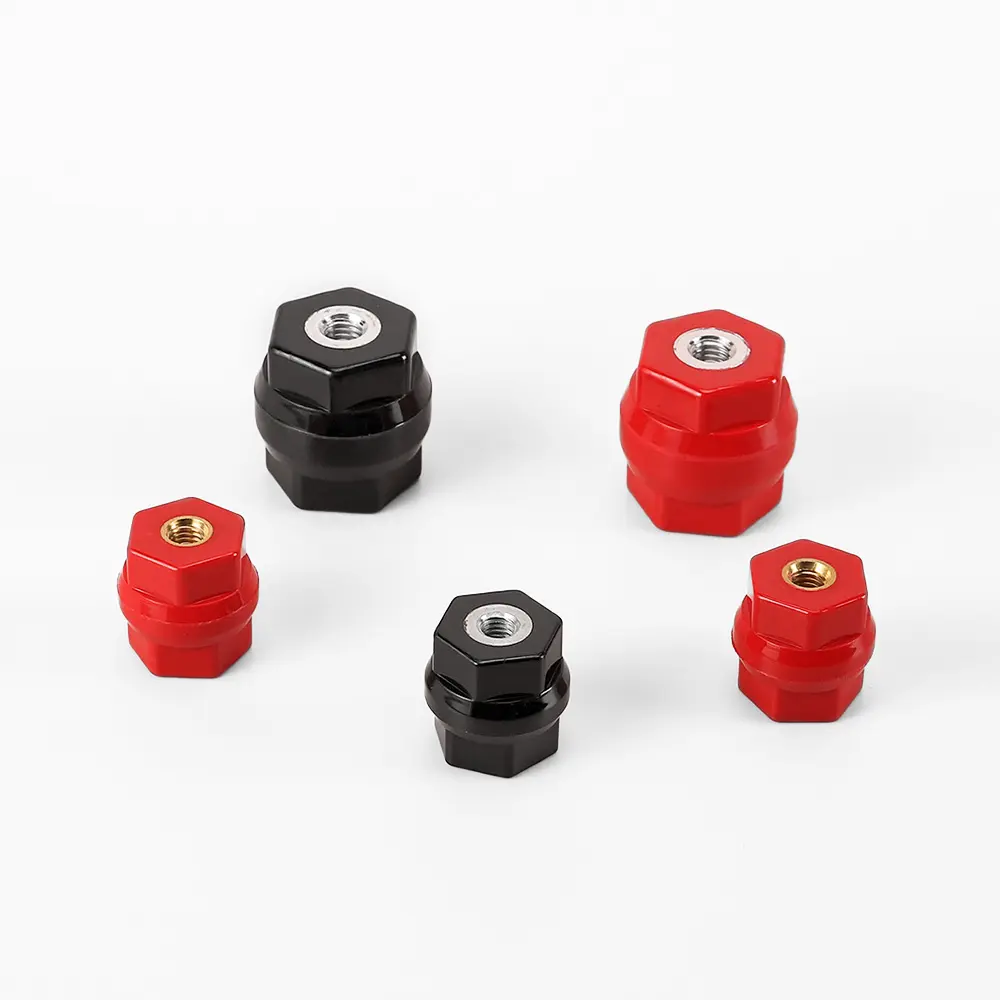
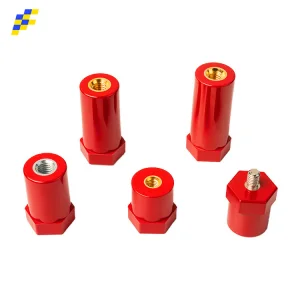
D-Type standoff insulators engineered for heavy busbar distribution panels requiring elevated mechanical shear stability.
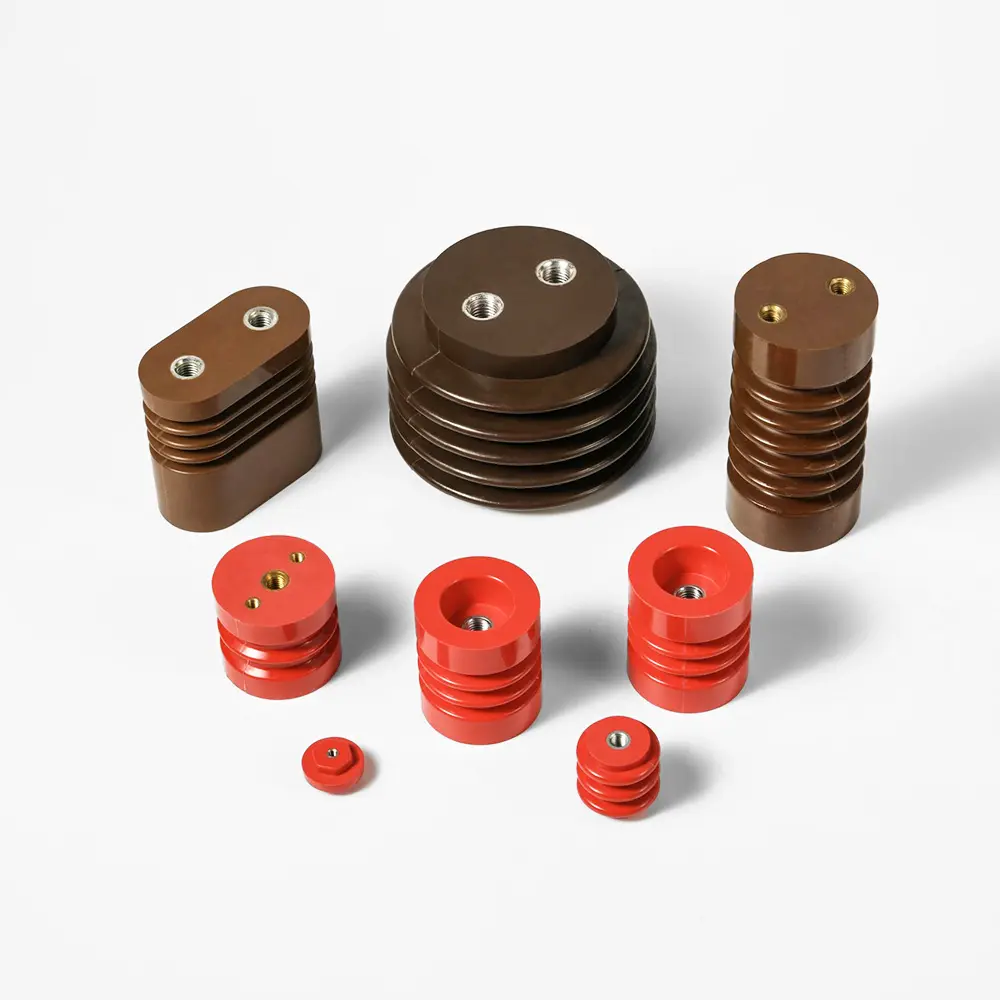
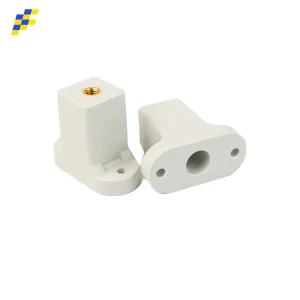
Compact low-profile insulators designed for modern slimline switchgears and frequency conversion cabinets.

Designed for modular low-voltage switchgear systems requiring standard DIN rail and frame mounting profiles.
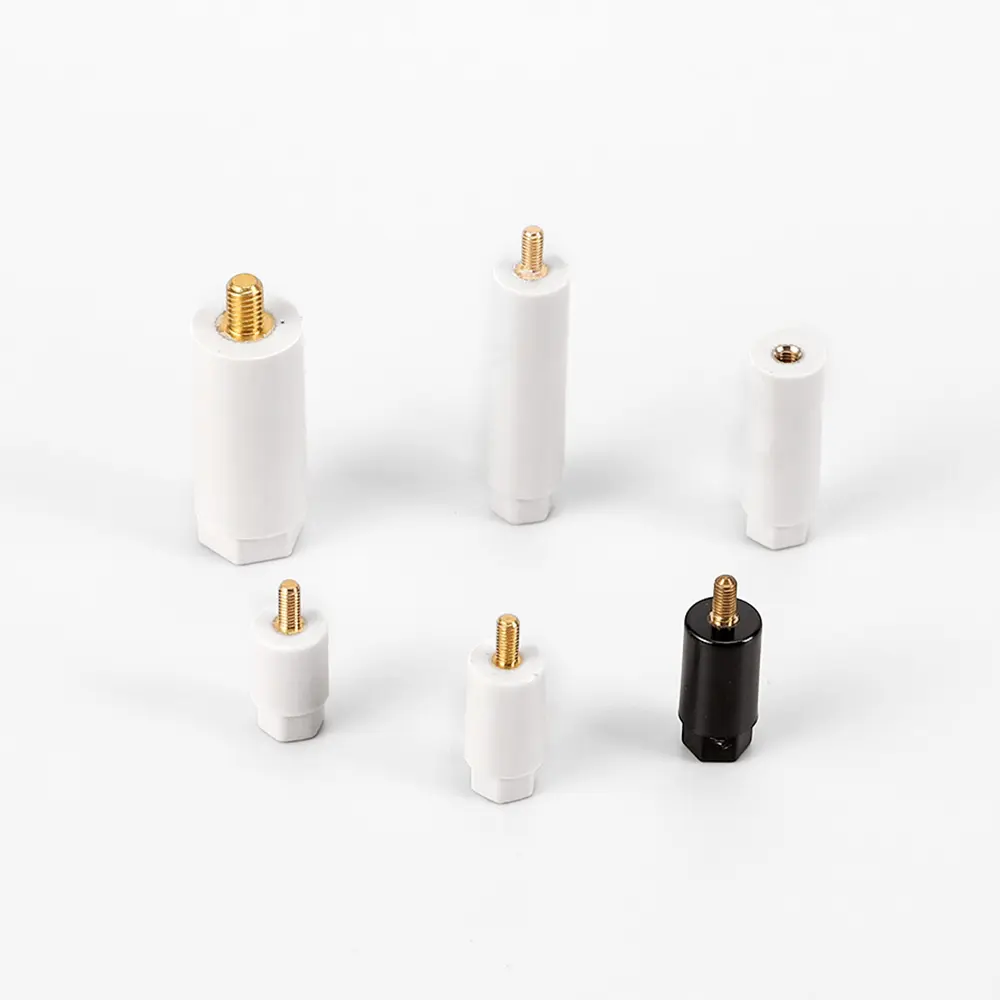
Pillar-type high-strength insulators ideal for supporting high-current copper busbars in power sub-stations.
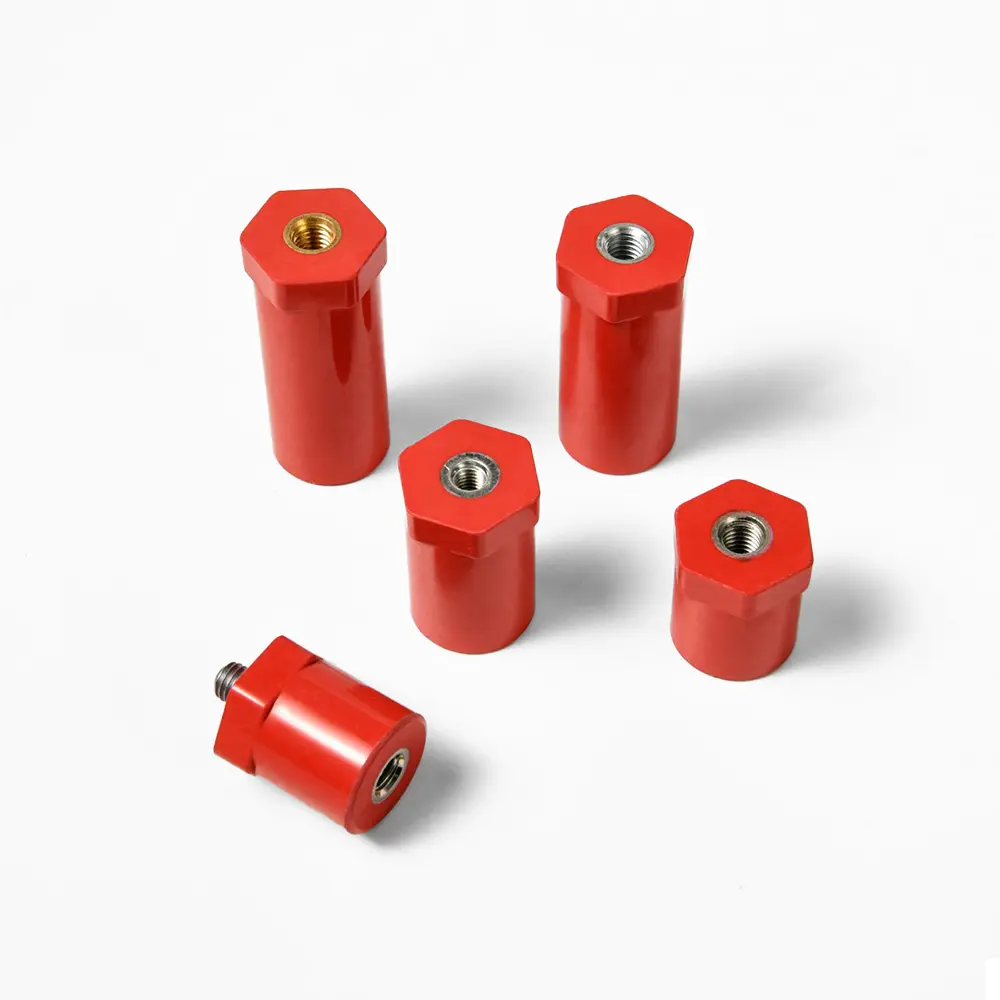
Includes popular SB 14-20 and SB 25-60 variants tailored for industrial power systems and high-torque installations.
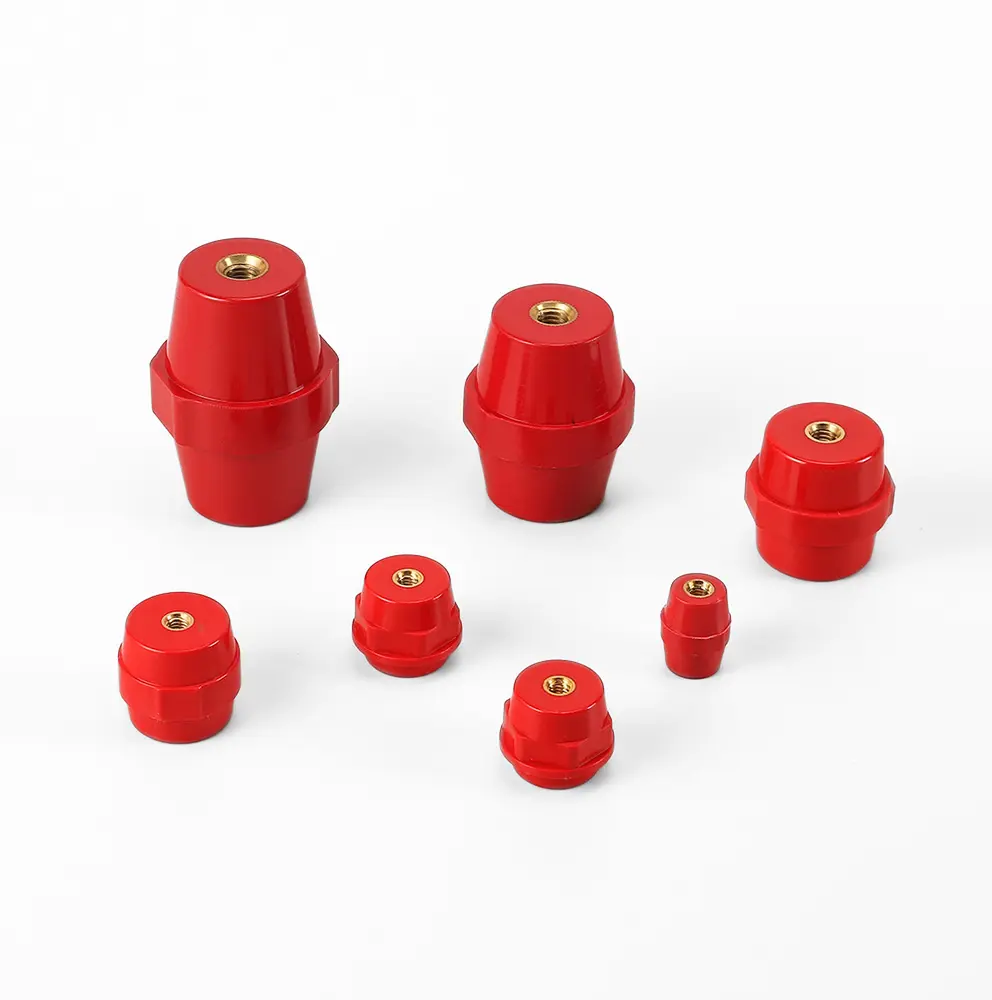
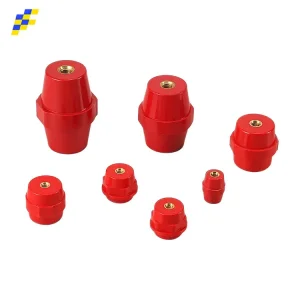
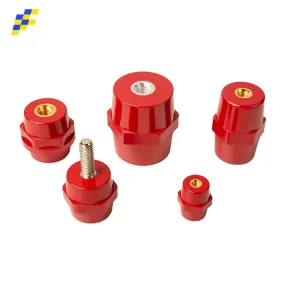
Universal standoff insulators widely deployed in standard power distribution boxes, control units, and transformers.
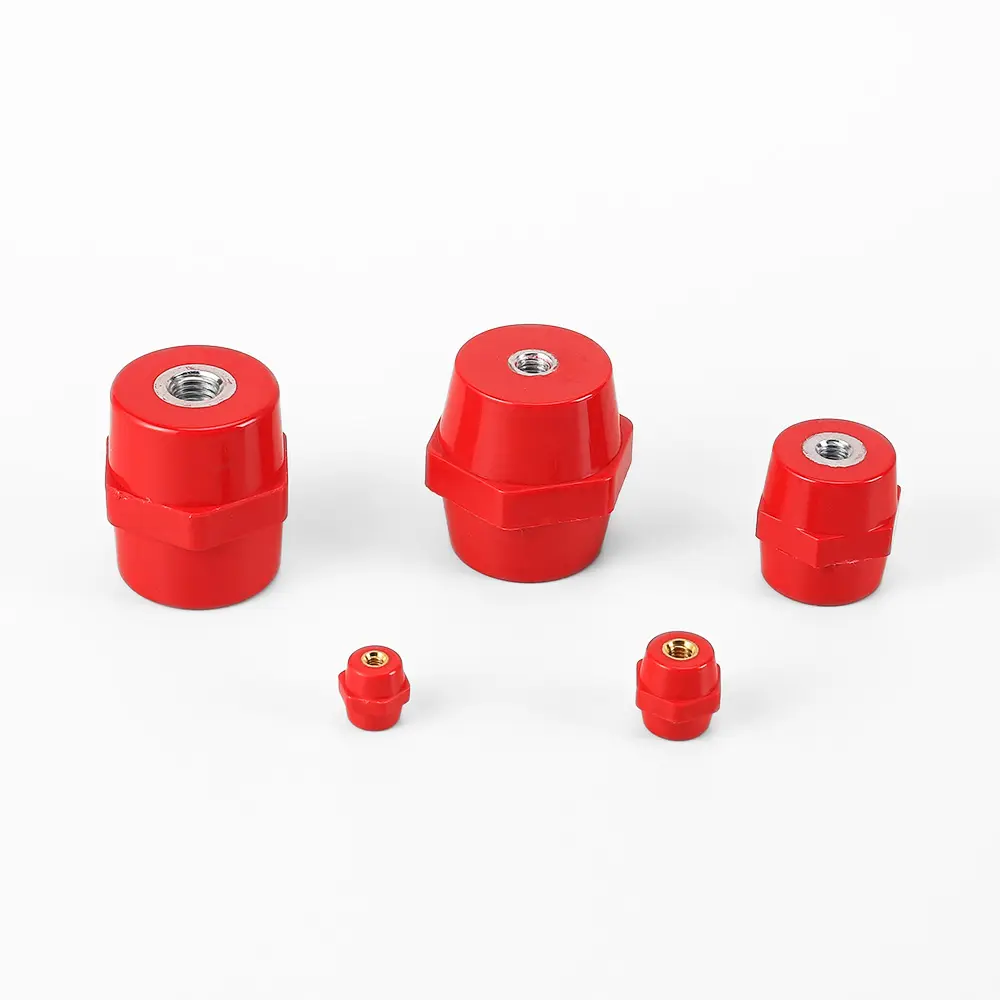
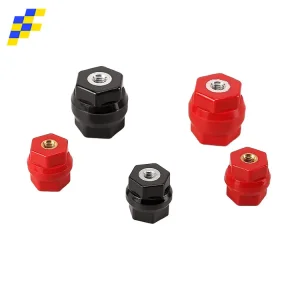
CE-certified polymer standoff insulators built for enhanced tracking resistance in humid environmental conditions.

T-Type busbar insulators designed for multi-tier busbar stacking in high-density energy storage and power racks.
Delivering Mission-Critical Insulation Across Diverse Global Ecosystems
Offshore and onshore wind turbine nacelles endure constant low-frequency vibration and salt-mist exposure. Flyaford BMC insulators provide robust mechanical isolation for converter cabinets and grid connection transformers.

Centralized and string inverters operate under high DC voltage levels (1500V DC). Our UV-stabilized composite standoff insulators eliminate electrical arc leakage and thermal degradation under continuous sun exposure.
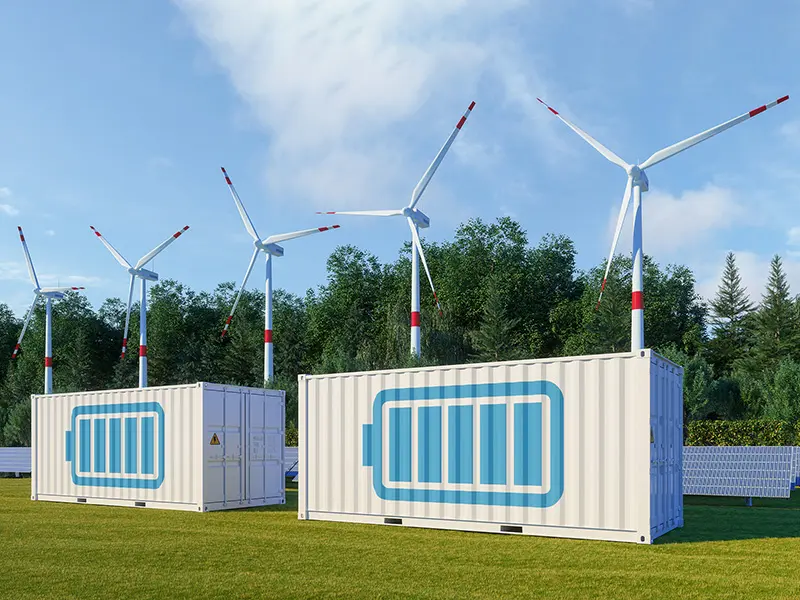
Utility-scale energy storage systems require high-density busbar arrangement. Flyaford T-Type and D-Type insulators prevent inter-phase short circuits, maintaining structural integrity during thermal runaway mitigation tests.
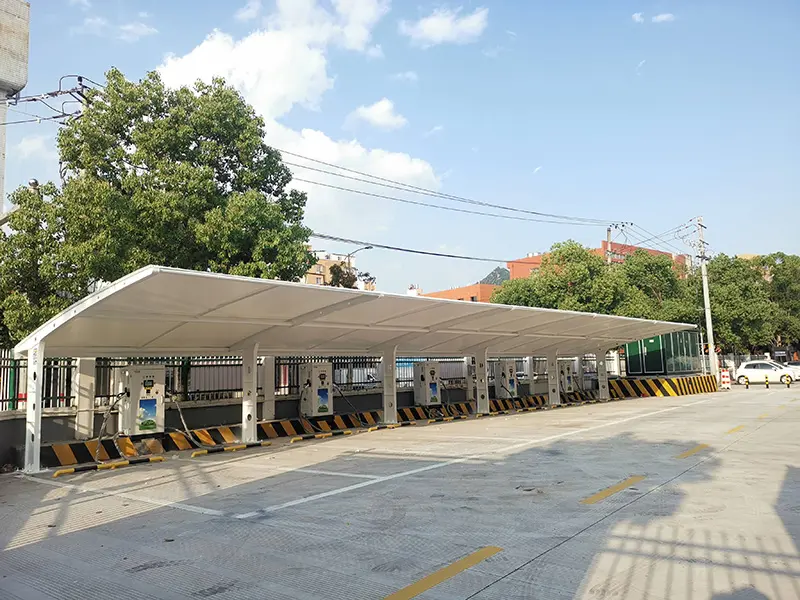
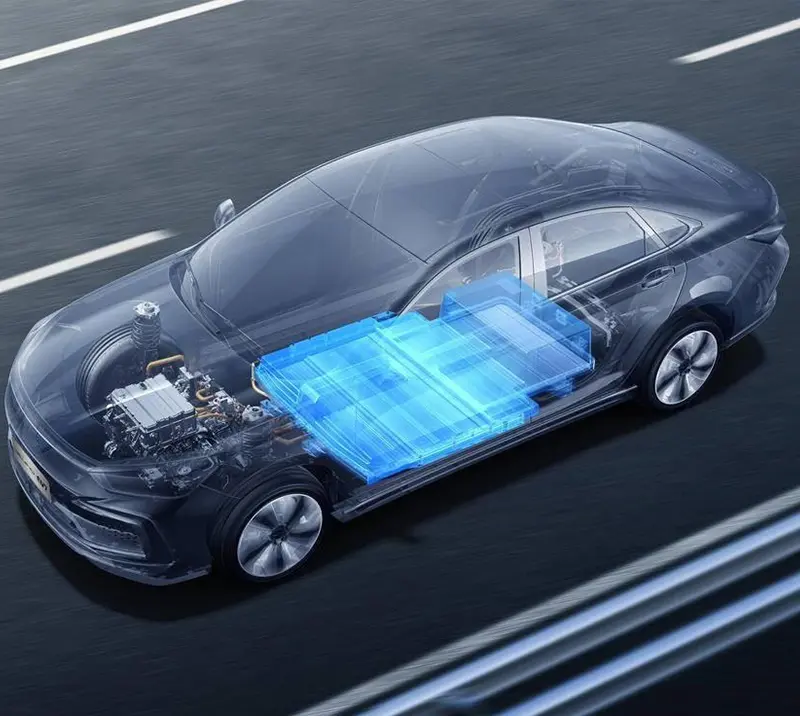
IATF 16949 automotive standards govern our specialized EMC component molding for EV battery disconnect units (BDU), fast-charging stations, and main traction inverter busbar isolation.

High and low voltage switchgear assemblies demand high creepage distances to prevent flashovers. Flyaford insulators offer optimized creepage geometry in lightweight compact footprints.

VFD control cabinets generate high harmonic frequency noise and localized electrical stress. Our composite polymer formulations damp electromagnetic interference while preserving dielectric isolation.
From CAD Concept and Finite Element Analysis to Tooling and Mass Production
Choosing Flyaford streamlines your product development cycle. Our senior electrical engineers work side-by-side with your design team to evaluate installation environments, thermal profiles, and mechanical shear vectors. We provide 3D CAD modeling, custom hardware insert selection, resin formulation tuning, and quick-turn sample supply for client validation.
We guarantee customer peace of mind with a robust warranty regime and rapid-response technical service network. If operational questions or custom installation troubleshooting arise, our engineers deliver actionable technical guidance within 2 hours.
Collaborating with Global Fortune 500 Enterprises and World-Class Academic Institutions






Addressing OEM Intent, Technical Parameters, and Factory Quality Inspections
Explore Direct Factory Direct Products Engineered for Reliability, Heat Resistance, and High Mechanical Duty