 Flyaford
Flyaford
Flyaford
Precision-Engineered Thermosetting Insulation Solutions for Next-Generation Power Distribution & Industrial Grid Infrastructure
Certified OEM/ODM Electrical Insulation Components Manufactured to Rigorous Global Standards
Navigating the Paradigm Shift in High-Efficiency Power Networks and Thermosetting Composite Insulation
The global power transmission and distribution (T&D) ecosystem is currently undergoing an unprecedented technological evolution. Driven by the rapid acceleration of renewable energy integration, the expansion of modern electric vehicle (EV) charging infrastructure, and the continuous construction of ultra-high-voltage (UHV) smart grids, the demand for high-reliability electrical insulation systems has reached a critical high. At the heart of every power transformer—whether oil-immersed, dry-type, or solid-state—lies the Transformer Core Insulation System.
Core insulation is not merely a passive structural separator; it is a critical dielectric and mechanical barrier engineered to withstand severe electrical stress, thermal cycling, and mechanical harmonics. In modern transformer architectures, core insulation serves to isolate the magnetic core laminations, prevent eddy current losses, suppress stray magnetic flux overheating, and maintain structural clamping pressure across decades of continuous operation.
Global investments in smart grids and modern distribution automation are dictating higher dielectric strength and reduced partial discharge thresholds in transformer core components.
Thermosetting materials like BMC (Bulk Molding Compound) and EMC (Epoxy Molding Compound) are replacing traditional paper and wood insulation due to superior continuous operating temperatures (up to Class H/R).
Advanced ODM core insulation designs eliminate localized hot spots caused by interlaminar voltage breakdowns, extending total asset operational life beyond 30 years.
As global OEMs seek higher energy efficiency (aligning with EU Tier 2 Eco-design requirements and US DOE 2016 efficiency standards), conventional core isolation methods are being rapidly phased out. Enterprise procurement leaders are actively transitioning toward high-precision thermosetting composite insulators, custom-molded standoff busbars, and engineered core clamping blocks that offer dimensional stability, zero moisture absorption, and exceptional flame-retardant properties (UL94 V-0).
Situated in the prestigious Jinyi New District of Jinhua City, Zhejiang Province, ZHEJIANG FLYAFORD ELECTRON CO., LTD. has established itself as a premier global authority in low-voltage to medium-voltage insulation products, core insulation accessories, and customized power protection components. Spanning a state-of-the-art 35,000 square meter standardized manufacturing complex, Flyaford combines deep material science research with fully automated, high-precision compression molding technologies.
Our competitive advantage lies in our vertical manufacturing integration—from raw material formulation (BMC, EMC, Phenolic PF) and custom mold design to automated pressing, secondary CNC precision machining, and exhaustive 100% full-inspection quality testing. Operating with over 60 advanced molding machines and 20+ specialized testing units, our daily production capacity exceeds 200,000 units while maintaining an industry-leading product defect rate below 100 PPM.
Co-Developing High-Performance Polymer Matrix Composites with Tsinghua University & Global Research Partners
Innovation forms the core driving force behind Flyaford's technological edge. As a designated "National High-Tech Enterprise" and "Jinhua Feifav High-Performance Insulator Science and Technology R&D Center," our engineering division operates in direct collaboration with world-renowned academic institutions, including Tsinghua University and leading polytechnic universities in Hangzhou. We proudly serve as the official designated insulator manufacturing supplier for Tsinghua University’s experimental research projects.
Our raw material engineering encompasses customized selection and compound formulation across three main polymer categories:
Every ODM core insulator design undergoes multi-stage validation in our high-standard testing laboratory equipped with precision diagnostics:

Torsion Testing

Universal Strength Test
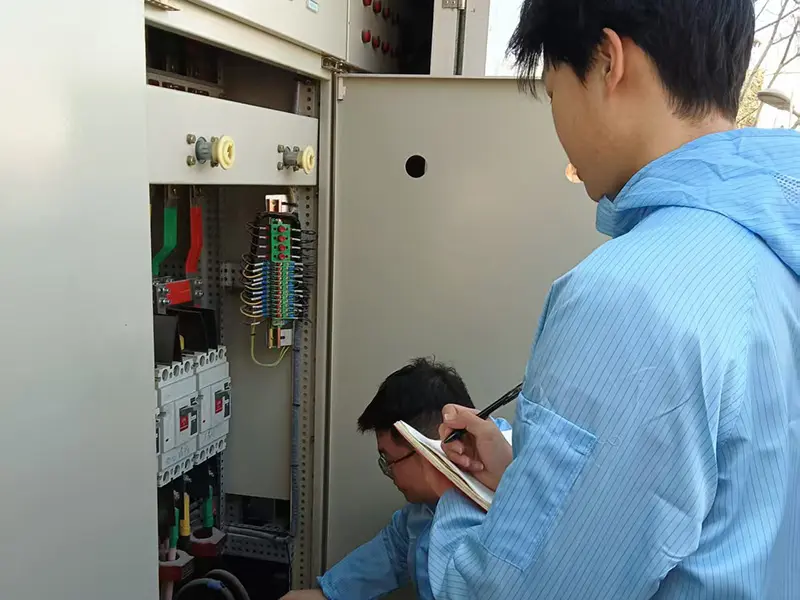
High-Low Temp Chamber

Partial Discharge Lab
Engineered for Low to Medium Voltage Standoff & Core Insulation Requirements
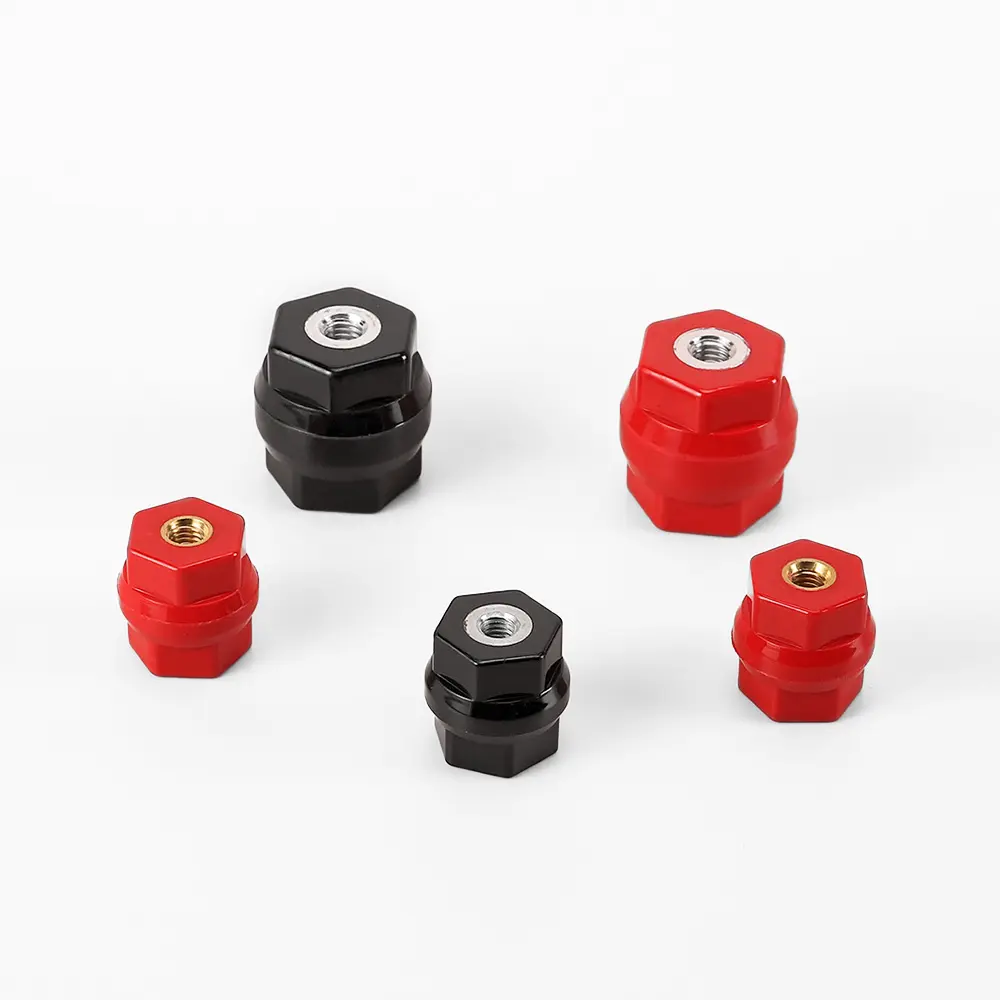
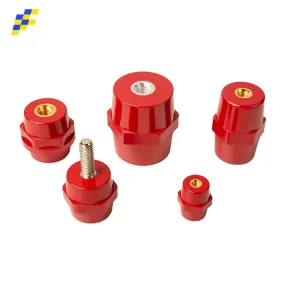
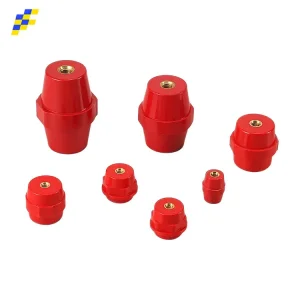
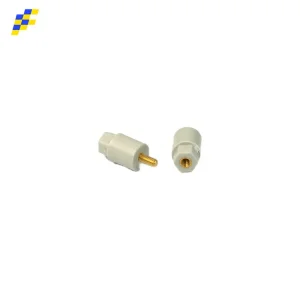
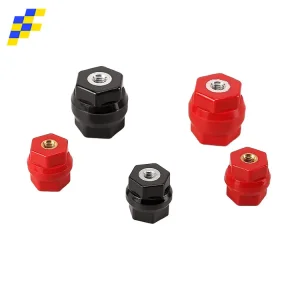
D-Type standoff insulators designed for busbar support and core clamping applications in compact switchgears.
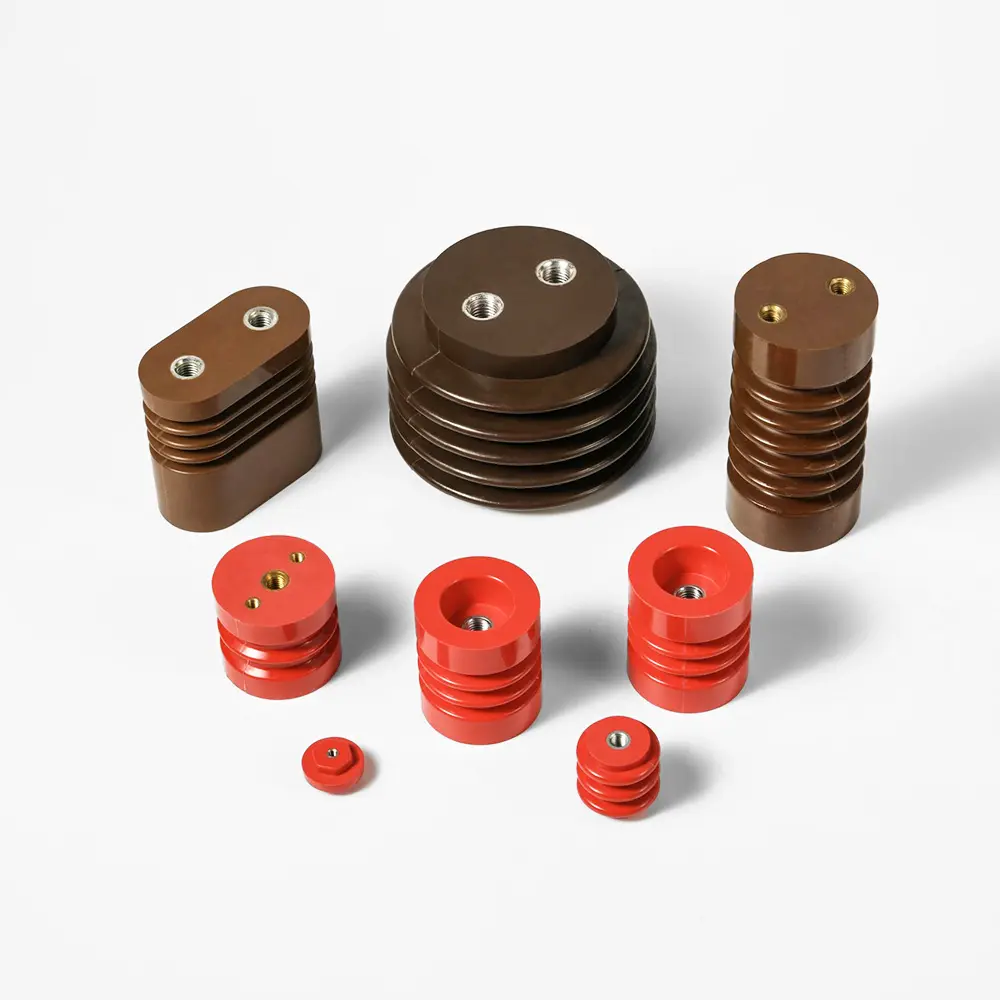
High dielectric BMC/DMC composite insulators for maximum creepage distance in high-humidity zones.

Precision molded insulators configured specifically for MNS modular low-voltage switchboard systems.
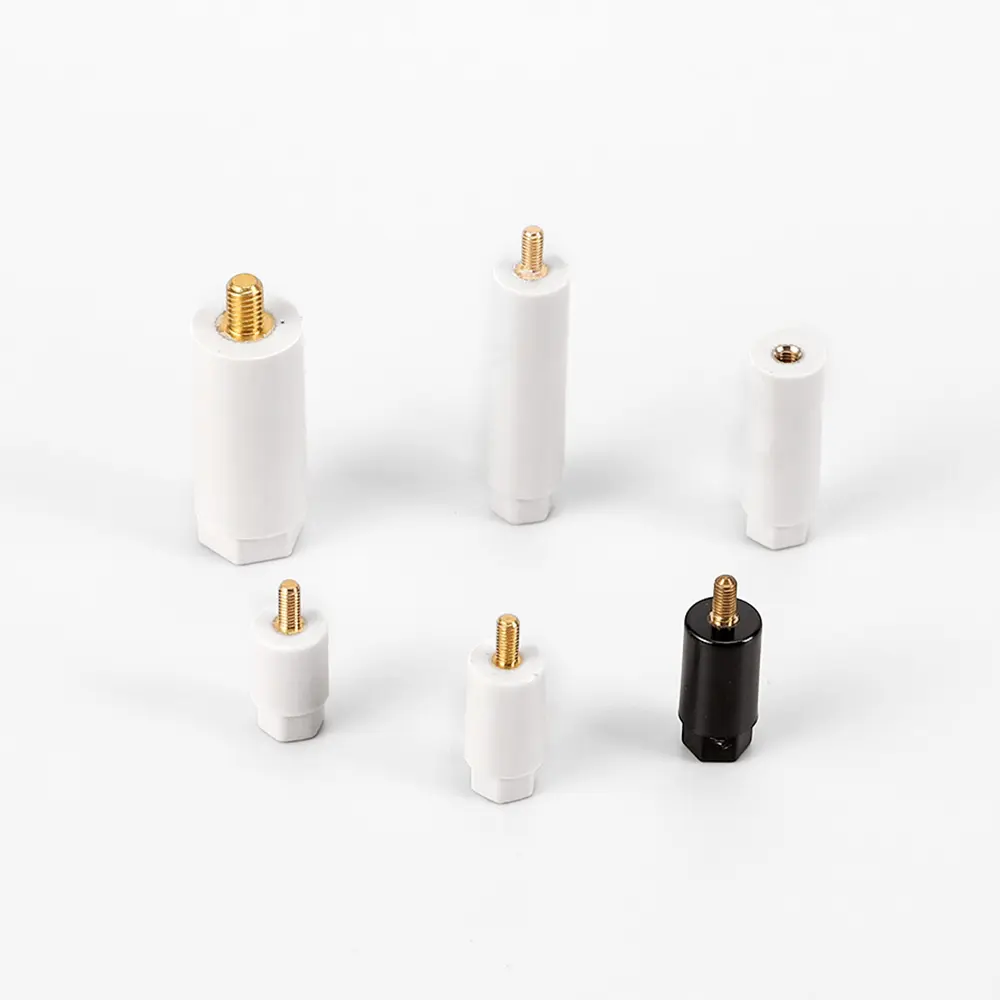
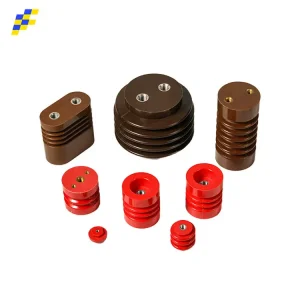
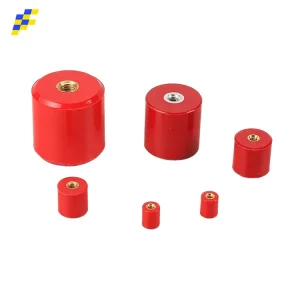
Heavy-duty standoff columns offering exceptional cantilever and compressive strength under short-circuit faults.
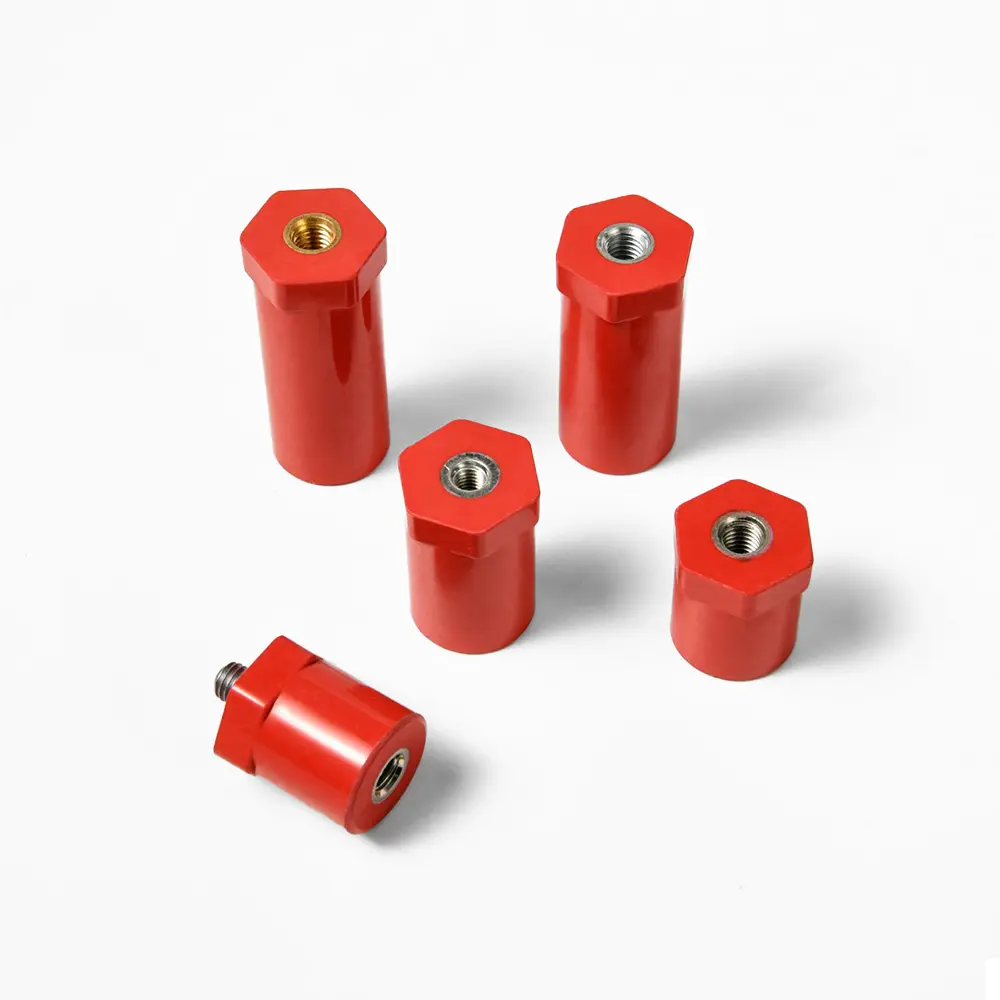
High-voltage protection standoff supports designed for power distribution transformers and control gear.
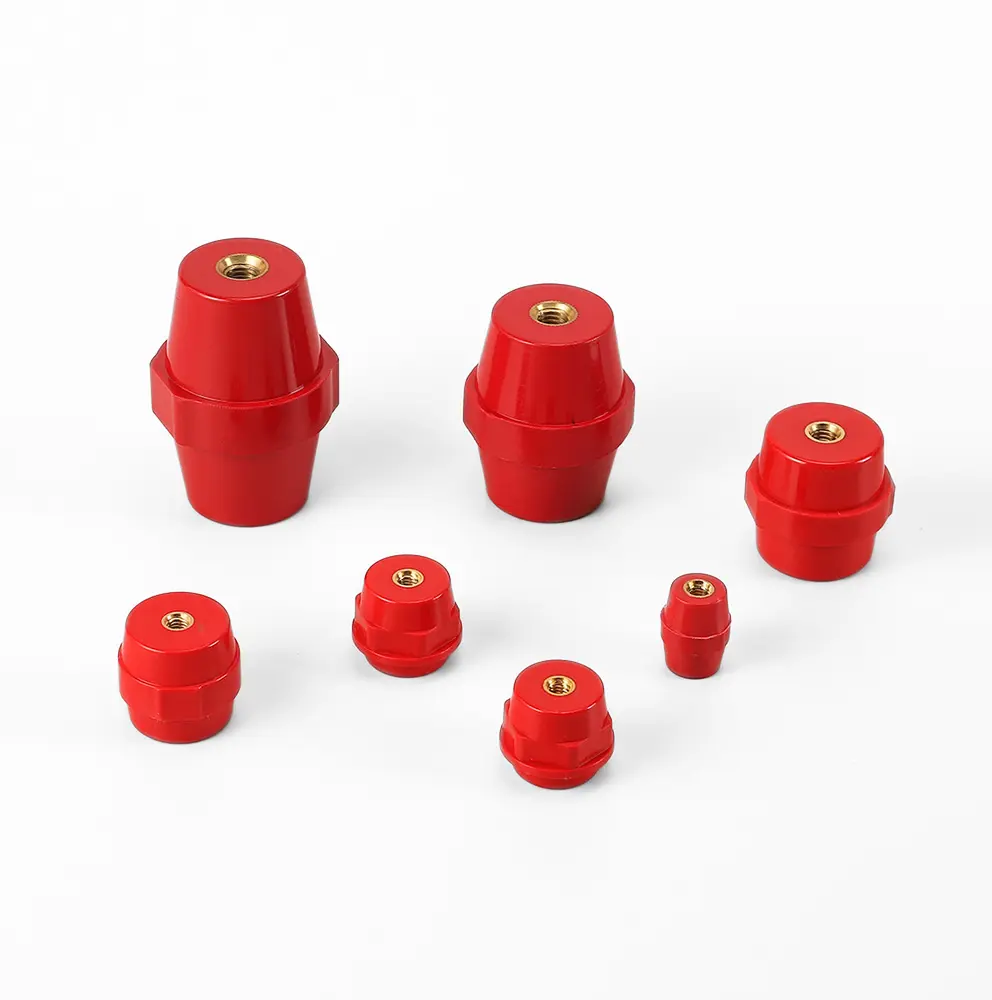
CE-certified metric standoff insulators featuring precision brass/steel threaded hardware inserts.
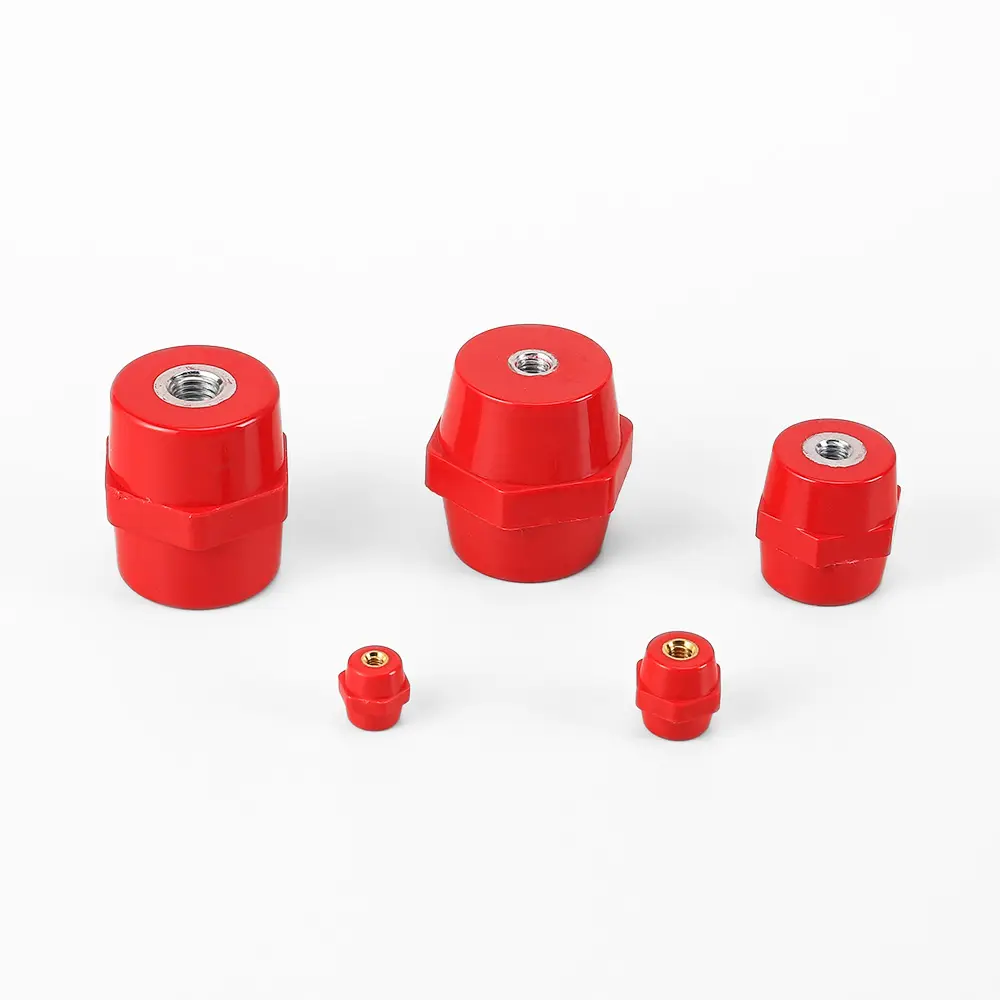
Dependable medium and low voltage isolation blocks optimized for sub-station power network switchgear.

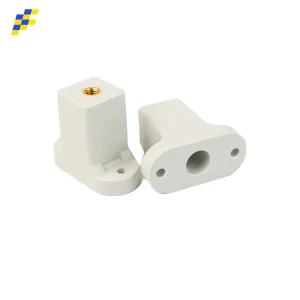
T-type busbar isolation components providing stable insulation in energy storage and converter cabinets.
Custom ODM Core Insulation Solutions Operating in Extreme Environments Worldwide

Engineered to endure dynamic continuous vibration, harmonic oscillation, and salt spray exposure in offshore and onshore wind nacelles.
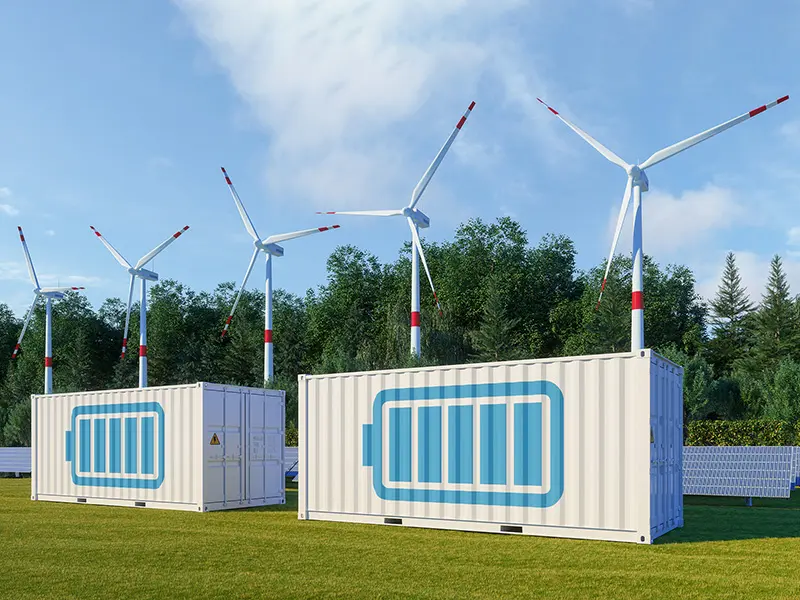
Providing high-density electrical isolation and thermal barrier insulation for lithium-ion battery container racks and PCS transformers.

Crucial for variable frequency control systems, mitigating high-frequency dv/dt stress and preventing localized dielectric breakdown.
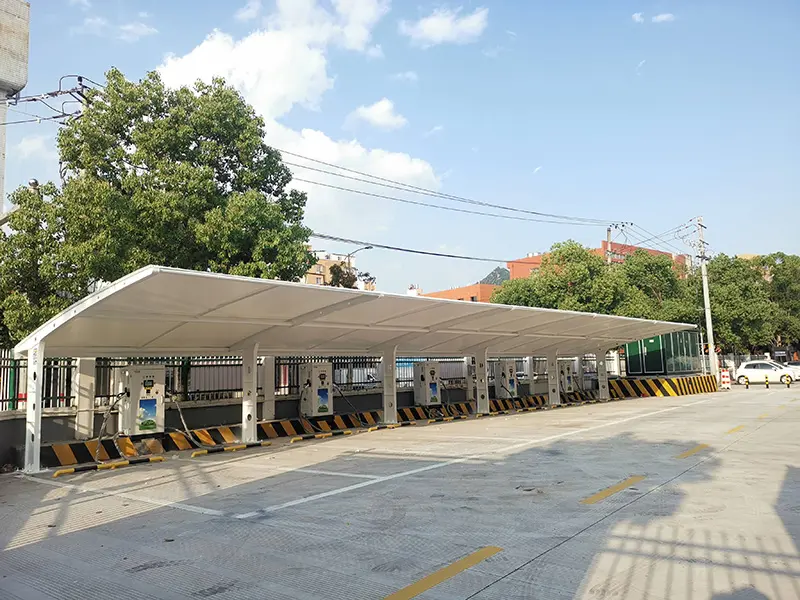
IATF 16949 compliant insulation parts utilized in high-speed rail traction transformers and DC fast-charging power modules.

Insulating structural components connected directly to main low/medium voltage cable systems to ensure fault isolation.

Deployed in harsh wastewater treatment facilities and chemical processing plants requiring high chemical and moisture resistance.

Supporting step-up central inverter transformers exposed to elevated outdoor operating temperatures and solar UV radiation.
From Concept Mold Design to Rapid Problem Force Reproduction
Our senior electrical engineering team provides detailed technical guidance covering material properties, CTI tracking index selection, thread insert torque limits, and installation environment compatibility.
We provide one-stop mold architecture, insert anchoring design, and rapid 3D sample prototyping. CAD drawings are fully verified with client engineering teams prior to full-scale compression tooling.
Dedicated remote and on-site technical support. We guarantee response within 2 hours. For complex site diagnostics, our engineering center conducts "Problem Force Reproduction Activities" in our lab to isolate root causes.
Our senior engineering center evaluates custom mold designs, material substitution requirements, and high-volume RFQs with zero consultation fees.
Strategic Directives for Supply Chain Directors and Senior Electrical Quality Engineers
When procuring Transformer Core Insulation on an ODM/OEM basis, international procurement teams must look beyond initial unit cost to evaluate Total Cost of Ownership (TCO) and long-term risk mitigation. Key technical evaluation vectors include:
The global transformer core insulation sector is experiencing rapid technological evolution driven by three primary vectors:





Expert Answers to Crucial Engineering, Commercial, and ODM Manufacturing Questions
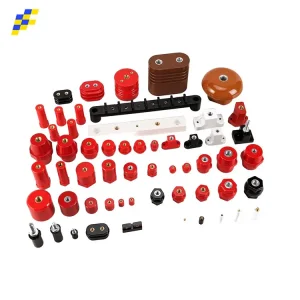
Explore Our Complete Line of Low-Medium Voltage Insulating Solutions