
Flyaford Flyaford

How to Choose the Right Epoxy Insulator in 2026?

Time:2026-10-17 Author:Aria
0%

In 2026, selecting an Epoxy Insulator requires more than comparing catalog prices. Modern switchgear, busbar systems, transformers, and compact substations face higher voltages, tighter spaces, heat, moisture, and contamination. A suitable insulator must match the electrical design, mechanical load, installation environment, and expected service life. It should not be chosen from a datasheet alone.

Experienced engineers usually begin with creepage distance, clearance, dielectric strength, thermal class, and short-circuit withstand. They also examine resin formulation, filler quality, curing consistency, surface finish, and dimensional tolerances. Small defects can become serious under repeated thermal cycling. A hairline void may remain invisible during assembly, then trigger partial discharge in service. That detail is easy to underestimate.

Reliable selection also depends on evidence. Request type-test reports, routine-test records, material certificates, traceability documents, and temperature-rise data from the supplier. Check whether testing reflects actual operating conditions, including altitude, humidity, salt fog, vibration, and pollution levels. Independent laboratory verification adds confidence, especially for critical equipment. Yet no checklist replaces engineering judgment. I have seen technically impressive components fail because mounting stress was ignored. That remains worth remembering.

This guide explains how to compare Epoxy Insulator options in 2026. It considers performance, safety margins, manufacturing quality, supplier support, and lifecycle cost. The best choice is rarely the cheapest part. It is the part that remains stable, verifiable, and dependable when equipment is hot, energized, and difficult to service.
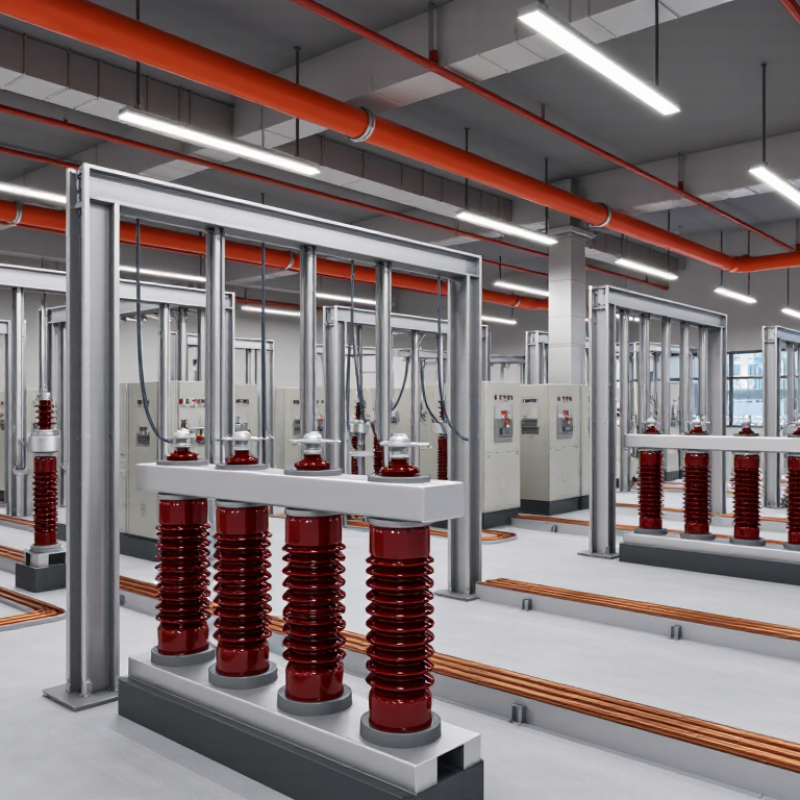
How to Choose the Right Epoxy Insulator in 2026?

What Is an Epoxy Insulator and Where Is It Used?

An epoxy insulator is a solid electrical barrier made from cured epoxy resin. It separates energized conductors from grounded metal while carrying mechanical loads. Think of a molded sleeve, a busbar support, or a compact bushing. Inside medium-voltage switchgear, it maintains clearance and resists vibration. In cable terminations and transformers, it helps reduce surface tracking and moisture ingress. Outdoor service is harder. Ultraviolet exposure, salt, dust, and thermal cycling can reveal weak design choices.

Demand for dependable insulation is growing with grid expansion. The International Energy Agency’s Electricity 2024 report forecasts global electricity demand will increase by 3.4% annually from 2024 to 2026. Ember’s Global Electricity Review 2025 reports that clean sources supplied 40.9% of global electricity in 2024. More renewable connections mean more compact switchgear, converters, and connection points. Epoxy insulation fits these applications because it combines dielectric strength, rigidity, and flexible molded geometry.

Selection should begin with voltage, frequency, creepage distance, temperature rise, and mechanical loading. Check partial-discharge performance, resin quality, curing control, and interface stress. IEC 62271-1 and IEC 62271-200 provide useful switchgear requirements, while IEC 60137 guides bushing evaluation. A common mistake is treating dielectric strength as the complete answer. It is not. Small voids matter. Poor sealing can defeat excellent laboratory results. The calculation may look perfect, yet the installed interface can fail. Review test records, contamination conditions, and thermal cycling evidence before approving the epoxy insulator.

Which Electrical, Mechanical, and Environmental Requirements Matter?

How to Choose the Right Epoxy Insulator in 2026?

Which Electrical, Mechanical, and Environmental Requirements Matter?

Choosing an epoxy insulator starts with the actual operating voltage, not the catalog headline. Check dielectric withstand, partial discharge, insulation resistance, and creepage distance. Surface contamination can reduce performance quickly. A clean laboratory result may not represent a dusty switchboard. For outdoor equipment, compare the material’s tracking resistance and comparative tracking index. Also verify clearances at the highest installation altitude.

Mechanical requirements deserve equal attention. Review cantilever strength, tensile load, mounting torque, vibration resistance, and impact performance. The insulator must support conductors without cracking around bolts or inserts. Small alignment errors can create uneven stress. Field inspection often finds damage near fasteners, not across the main body. That detail is easy to miss. A stronger rating is not always better if the design transfers excessive force to nearby components.

Environmental testing should match the real site. Consider continuous temperature, thermal cycling, humidity, salt fog, ultraviolet exposure, chemicals, and condensation. Ask for test methods, sample conditioning, and failure criteria. Independent laboratory reports are more useful than general marketing claims. I would also request dimensional drawings and batch traceability. One uncomfortable point remains: accelerated aging never copies every field condition. Review the evidence, identify its limits, and leave a safety margin for unknowns.

How to Compare Epoxy Insulator Materials and Designs

Choosing the right epoxy insulator in 2026 starts with comparing material behavior, not catalog appearance. In field inspections, I look at thermal class, dielectric strength, moisture resistance, and dimensional stability. A strong datasheet helps. Filled epoxy can resist heat and mechanical stress better than unfilled resin. However, fillers may increase brittleness or complicate molding. That trade-off matters.

For outdoor equipment, compare epoxy systems by water absorption, tracking resistance, and performance after temperature cycling. A sample that survives a dry laboratory test may change after repeated heating, cooling, and condensation. Ask for test conditions, specimen thickness, curing schedule, and aging results. Without this context, numbers can mislead. I would also check whether the material keeps its insulation distance after machining or assembly. Small cracks around a threaded insert can become serious electrical paths.

Design comparison is equally practical. A thick wall may improve insulation, but it can retain heat and create internal stress. Rounded edges reduce electric-field concentration, while clean creepage paths support safer operation. Ventilation, mounting force, and tolerance control deserve attention too. I once underestimated bolt pressure during a prototype review. The part passed early checks, yet showed surface damage after repeated tightening. That mistake reinforced a useful lesson: material selection and geometry must be tested together.

How to Select the Correct Size, Shape, and Performance Rating

How to Choose the Right Epoxy Insulator in 2026?

Selecting an epoxy insulator starts with size, not appearance. Measure the conductor diameter, mounting holes, clearance, and creepage distance. Leave enough space for washers, tools, and thermal expansion. A compact insulator may fit today but create maintenance problems later. Measure twice.

Shape should match the mechanical load and installation direction. A standoff design suits busbars, while a cylindrical support may handle aligned compression better. Check the fixing surface for flatness and thread depth. I have seen failures caused by uneven tightening, not weak epoxy. Use the recommended torque and avoid forcing misaligned parts.

Performance ratings need practical interpretation. Compare rated voltage, impulse withstand, operating temperature, and current-related heating. Creepage distance matters more in humid or polluted environments. Check the material’s tracking resistance and inspect partial-discharge data when medium-voltage stress is expected. Select a rating above the normal operating value, then apply proper derating for heat, altitude, and enclosure conditions. Laboratory figures may not represent dusty factory air. Verify the selected dimensions and ratings against the applicable project standards, test reports, and installation conditions. If one value is missing, pause the purchase rather than guessing.

How to Verify Quality, Safety, Installation, and Long-Term Reliability

When choosing an epoxy insulator in 2026, verify evidence before trusting a brochure. Request batch traceability, resin type, curing records, and dimensional inspection results. IEC 60137:2017 requires applicable bushings to undergo routine and type tests, including dielectric and temperature checks. Ask for the actual test report, not a certificate alone. A clean surface should show no cracks, bubbles, exposed fibers, or sharp mold lines. Small defects can become serious under heat and moisture.

Safety depends on the complete assembly. Check creepage distance, clearance, partial-discharge results, and compatibility with the system voltage. IEC 62271-1:2017 provides a framework for high-voltage equipment insulation and temperature verification. For vibration or seismic locations, IEEE 693-2018 defines qualification levels and testing methods. Installation records should include torque values, alignment photos, hardware material, and environmental conditions. Use a calibrated torque wrench. Hand-tightening is not a quality method.

Long-term reliability needs more than a successful factory test. Review accelerated aging, thermal cycling, tracking, and weathering data from an independent laboratory. CIGRE technical guidance repeatedly links outdoor insulation performance with contamination, moisture, and maintenance conditions. That warning is easy to underestimate. During commissioning, measure insulation resistance and inspect interfaces after loading. I would also schedule a six-month review, because installation mistakes sometimes appear only after repeated heating and cooling cycles. Data matters, but field feedback should challenge it.

How to Choose the Right Epoxy Insulator in 2026?

IEC 60085 thermal classes provide a practical starting point for checking long-term thermal suitability. Confirm the selected epoxy insulation system against the actual operating temperature, voltage, environmental conditions, and applicable product standards.

Higher thermal-class values indicate insulation systems designed for higher maximum-use temperatures. Thermal class alone does not verify dielectric strength, mechanical safety, installation quality, or service life.

Reference: IEC 60085, Electrical insulation — Thermal evaluation and designation.

FAQS

How should epoxy insulator materials be compared?

Compare thermal class, dielectric strength, moisture absorption, and dimensional stability. Filled epoxy may handle heat and mechanical stress better. It can also become more brittle. That trade-off needs testing.

Why do fillers affect epoxy insulator performance?

Fillers can improve heat resistance and mechanical strength. However, they may complicate molding and increase brittleness. Inspect molded edges and threaded areas carefully. The stronger material may not be the easier material to install.

What outdoor conditions should be included in testing?

Check water absorption, tracking resistance, condensation, and temperature cycling. A dry laboratory result may hide outdoor weaknesses. Test repeated heating, cooling, and moisture exposure. Dry results can mislead.

How does design influence epoxy insulation performance?

Rounded edges reduce electric-field concentration. Clean creepage paths support safer operation. Thicker walls may improve insulation but retain heat. They can also create internal stress.

What defects should inspectors look for?

Check for cracks, bubbles, exposed fibers, and sharp mold lines. Inspect around threaded inserts and machined surfaces. Small cracks may form electrical paths under moisture and heat. Tiny defects matter.

What quality records should suppliers provide?

Request batch traceability, resin details, curing records, and dimensional inspection results. Ask for complete test reports, not certificates alone. Review specimen thickness, curing schedules, and test conditions. Missing context weakens confidence.

How can installation quality be verified?

Record torque values, alignment photographs, hardware materials, and environmental conditions. Use a calibrated torque wrench during assembly. Hand-tightening is unreliable. I once underestimated bolt pressure during a prototype review.

What checks support long-term reliability?

Review accelerated aging, thermal cycling, tracking, weathering, and partial-discharge data. Measure insulation resistance during commissioning. Inspect interfaces after the equipment carries load. Plan another review after six months.

Can factory testing guarantee field performance?

No. Field contamination, moisture, vibration, and installation errors can change performance. Data matters, but field feedback should challenge it. Repeated heating and cooling may reveal delayed damage. Testing is never perfectly complete.

Conclusion

Choosing the right Epoxy Insulator in 2026 requires more than selecting a component by appearance or price. First, understand its role in electrical systems, where it provides insulation, structural support, and protection in equipment such as switchgear, transformers, busbar systems, and industrial control devices. Evaluate electrical requirements, including voltage rating, insulation strength, creepage distance, and resistance to tracking or partial discharge. Mechanical strength, dimensional stability, vibration resistance, and load capacity are equally important, especially in demanding installations.

Material selection and design should match the operating environment, including temperature, humidity, chemicals, dust, and outdoor exposure. Confirm the correct size, shape, mounting method, and performance rating for the intended application, allowing suitable safety margins. Before purchase, verify manufacturing consistency, testing records, dimensional accuracy, surface quality, and compliance with applicable safety requirements. Proper installation, torque control, cleanliness, and routine inspection will help prevent damage and extend service life. A well-matched Epoxy Insulator can improve system reliability, reduce maintenance needs, and support safe long-term operation.

Aria

Aria

Aria is a dedicated marketing professional with a deep passion for innovative strategies and a keen understanding of our company's product offerings. With a wealth of experience in the industry, Aria excels at crafting engaging content that highlights the unique features and benefits of our......