
Flyaford Flyaford

China Best Electrical Conductor Insulator Manufacturers

Time:2026-11-02 Author:Sienna
0%

China’s electrical supply chain serves a world that is adding renewable generation, upgrading aging networks, and connecting new loads. The International Energy Agency’s 2023 report, Electricity Grids and Secure Energy Transitions, estimates that more than 80 million kilometres of grids must be added or refurbished by 2040 to meet national climate and energy goals. It also says annual grid investment needs to rise from about USD 300 billion today to over USD 600 billion by 2030. These figures help explain the growing need for dependable conductors and insulation.

Fatih Birol, Executive Director of the IEA, has described electricity grids as “the backbone of secure and reliable electricity systems.” For buyers, that backbone depends on more than headline conductivity. It also depends on insulation performance, corrosion resistance, manufacturing consistency, and testing records. One weak point matters. A conductor may look sound on a factory floor, yet fail to meet the demands of heat, moisture, vibration, or long service cycles.

This guide explores China Best Electrical Conductor Insulator Manufacturers and the details that separate capable suppliers from convenient listings. It considers product range, material control, quality documentation, customization, and export experience. Standards and certificates should be checked against the product and destination market; a logo alone is not proof. That takes time. Supplier claims can also be incomplete, so buyers should ask for current test reports and clarify operating conditions before comparing quotations. The aim is practical: help engineers and procurement teams make a more informed shortlist, while recognizing that no single supplier fits every project.
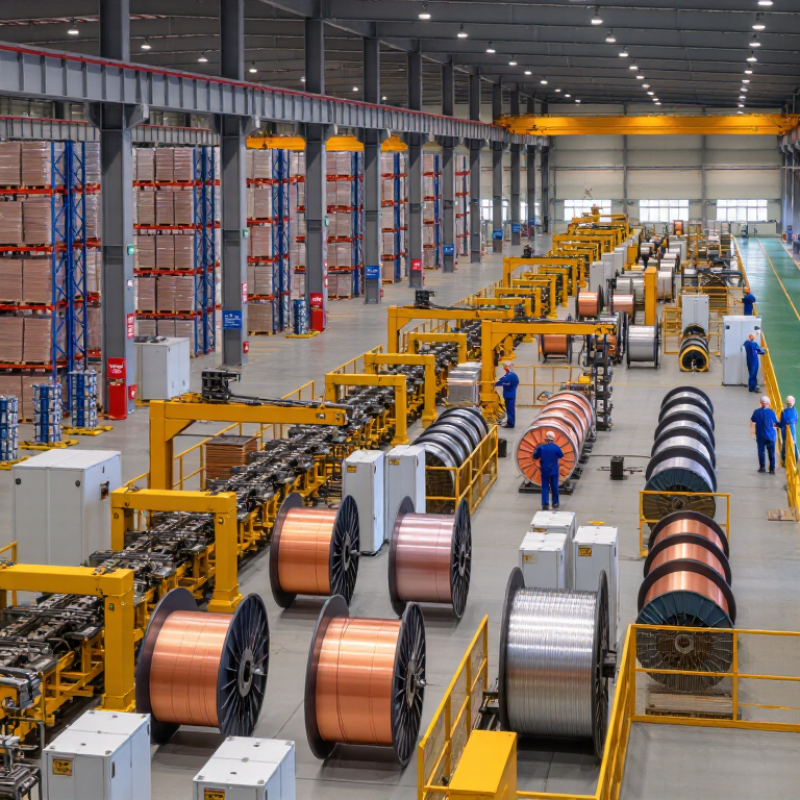
China Best Electrical Conductor Insulator Manufacturers

Electrical Conductor and Insulator Manufacturing in China

Electrical conductor and insulator manufacturing in China combines material processing, forming, and inspection. Production details vary by facility and product. Conductor lines may draw copper or aluminum rods through dies, then strand the wires into a specified layout. Tension and diameter checks help catch unevenness before the cable is finished. Insulator production uses different methods: ceramic parts are shaped and fired, while polymer units are molded around a core. Surface condition matters. Small cracks, voids, or poorly bonded layers can affect performance.

Quality checks may include dimensional measurement, visual inspection, and electrical testing suited to the product. For conductors, resistance and strand consistency are useful checkpoints. For insulators, teams may examine leakage paths, mechanical strength, and behavior under wet conditions. Not every batch. Clear records linking materials, process settings, and test results make problems easier to investigate. A polished datasheet can still miss variation between production runs, so buyers should review inspection evidence and define acceptance criteria before ordering. This adds work, but it can prevent mismatched specifications and avoidable rework.

Main Product Types and Their Electrical Applications

China Best Electrical Conductor Insulator Manufacturers

Main Product Types and Their Electrical Applications

Conductors carry current; insulators keep it on the intended path.

Overhead lines commonly use aluminum-based conductors, often reinforced with a steel core for added mechanical strength. Copper busbars are common inside substations, where compact layouts and reliable connections matter. Engineers select materials based on load, span length, weather, and installation conditions. Small details matter.

Insulators are typically porcelain, toughened glass, or polymer composites. Porcelain and glass support conductors on many transmission lines and substations. Composite insulators are lighter and can be useful where reduced weight or pollution performance is important. Their polymer surfaces still need inspection for aging, damage, and contamination. A product’s suitability depends on the local environment, not just its catalogue rating.

The International Energy Agency’s 2023 report, Electricity Grids and Secure Energy Transitions, says annual grid investment needs to rise to more than US$600 billion by 2030. That expansion increases demand for dependable conductors and insulation components. Yet choosing the right type is not always straightforward. A long rural span may favor a mechanically reinforced conductor, while a crowded substation may require compact busbars and carefully coordinated insulation. Real operating conditions can differ from design assumptions; maintenance access deserves attention, too.

Materials, Production Processes, and Quality Standards

Electrical conductor and insulator manufacturers in China work with materials chosen for different operating conditions. Copper offers high conductivity, while aluminum can reduce weight in suitable applications. Porcelain resists heat and weathering; polymer insulation is lighter and may simplify installation. Material selection should match voltage, temperature, humidity, and mechanical load. Small choices matter.

Production quality depends on controlled steps. Conductors may be drawn, stranded, and checked for diameter and surface defects. Insulators require careful molding or forming, followed by curing and dimensional checks. Testing can include electrical performance, mechanical strength, and resistance to environmental exposure. Buyers should confirm which IEC requirements apply to the product and request test records, material data, and batch traceability. A sample helps, but one sample cannot represent every production run.

Tips: Ask how defects are recorded and what triggers a re-test. Compare certificates with the exact model and production batch. Inspect packaging and finished surfaces for cracks, burrs, or uneven coating. Factory claims deserve verification. Specifications can look complete on paper, yet field conditions may expose gaps; review the intended installation before approving a design.

How to Evaluate Leading Chinese Manufacturers

China Best Electrical Conductor Insulator Manufacturers

How to Evaluate Leading Chinese Manufacturers

Choosing an electrical conductor or insulator manufacturer requires more than comparing prices. Start with the product’s intended conditions: voltage, temperature, humidity, and mechanical load. Ask how materials are selected and how each production batch is checked. Details matter. For conductors, review dimensions, conductivity data, and surface finish. For insulators, examine insulation performance, creepage distance, and resistance to environmental wear.

Request current test reports and confirm that they match the product specifications you plan to order. A capable supplier should explain its testing methods, sampling frequency, and traceability records in clear terms. Ask to see how batches are labeled and how defects are handled. If possible, inspect samples for consistent dimensions, clean edges, and visible manufacturing flaws. One sample is useful, but it cannot prove every batch will be consistent.

Communication is part of the evaluation. Notice whether technical questions receive specific, documented answers or vague assurances. Compare quoted lead times with stated production capacity, and clarify packaging and inspection arrangements before ordering. A polished catalog is not proof of reliable quality. No checklist is perfect; I would still verify key claims independently, because supplier documents can leave practical questions unanswered. Ask again.

Choosing a Manufacturer for Specific Project Requirements

China Best Electrical Conductor Insulator Manufacturers

Choosing a Manufacturer for Specific Project Requirements

A suitable manufacturer should match the actual operating conditions, not just the purchase list. Share the system voltage, conductor material, cross-section, installation method, and expected service environment. A line exposed to coastal salt, dust, or strong temperature swings may need different insulator properties from an indoor installation. Small details matter.

Ask how products are tested and documented. Request relevant test reports, material specifications, dimensional tolerances, and batch traceability. For conductors, confirm electrical resistance and mechanical performance against your project requirements. For insulators, review creepage distance, strength, and suitability for the expected pollution and weather conditions. Ask for proof. A polished catalogue alone is not enough.

Production capacity and delivery schedules matter, but they should not replace technical review. Compare sample measurements with approved drawings, and clarify how design changes are handled after approval. A factory visit or independent inspection may help when a project has tight tolerances. Yet I would not treat one successful sample as proof of consistent production; that assumption is easy to make and hard to undo. Clear written specifications, realistic lead times, and responsive engineering support make comparisons more useful.

China Best Electrical Conductor Insulator Manufacturers - Choosing a Manufacturer for Specific Project Requirements
Project requirement Conductor considerations Insulator considerations What to verify with a manufacturer Relevant standard or reference
Overhead transmission or distribution line Select stranded aluminium, aluminium-alloy, or steel-reinforced aluminium construction according to ampacity, span, sag, and mechanical loading. Choose suspension or tension insulators appropriate to the line configuration, electrical duty, and mechanical load. Request conductor construction details, resistance and tensile data, insulator mechanical ratings, and applicable type-test reports. IEC 61089 for round-wire concentric-lay overhead electrical stranded conductors; IEC 60383-1 for ceramic or glass insulator units for overhead lines above 1 kV.
High mechanical loading or long spans Compare conductor strength, mass, thermal expansion, and calculated sag under the project’s temperature and loading conditions. Check tensile or cantilever strength, connection hardware, and the load cases specified for the structure. Obtain design calculations and confirm that rated mechanical loads and fittings match the project drawings and installation method. IEC 61089; IEC 60383-1. Project-specific structural and utility specifications also apply.
Coastal, industrial, or polluted environment Assess corrosion exposure, conductor material, surface condition, and the suitability of connectors and accessories. Specify insulation and creepage requirements based on pollution severity and system conditions; consider appropriate ceramic, glass, or composite designs. Ask for material specifications, pollution-performance evidence, environmental test information, and recommended inspection or maintenance guidance. IEC 60815 series provides guidance for selecting and dimensioning high-voltage insulators for polluted conditions.
Composite insulator application Confirm conductor fittings and connection geometry are compatible with the specified insulator assembly. Review housing material, core design, end fittings, electrical ratings, and mechanical load class for the intended AC or DC application. Request routine and type-test documentation, dimensional drawings, traceability information, and evidence for the specified service conditions. IEC 61109 covers composite suspension and tension insulators for AC overhead lines above 1 kV; IEC 62217 gives general definitions and test methods for polymeric insulators.
Substation busbar or equipment connection Match conductor or busbar material and cross-section to continuous current, short-circuit duty, temperature rise, and connection design. Select support or post insulators for system voltage, mechanical forces, installation orientation, and environmental exposure. Confirm current and short-circuit design inputs, terminal dimensions, insulator load ratings, and compatibility with adjoining equipment. IEC 60071 series addresses insulation coordination; applicable equipment and project specifications should define the detailed requirements.
Quality assurance and delivery Define conductor tolerances, material certificates, inspection points, packaging, and identification requirements before order placement. Define inspection and test plans, dimensional acceptance criteria, handling instructions, and required documentation. Review the quality plan, test records, product traceability, sample approval process, production capacity, and delivery schedule against the contract. Use the standards and editions explicitly specified in the contract; confirm scope and acceptance criteria with the project engineer.

Selection guide: requirements and standards shown are general reference points, not a manufacturer ranking or a substitute for project-specific engineering, local regulations, and contract specifications.

FAQS

How are electrical conductors made?

Copper or aluminum rods may be drawn through dies, then stranded into a chosen layout. Teams check wire diameter and tension.

How are insulators manufactured?

Ceramic parts are shaped and fired. Polymer units are molded around a core. Small surface defects can matter.

What checks help assess conductor quality?

Inspectors may measure resistance, diameter, and strand consistency. Records help trace problems to materials or process settings.

What should buyers check in an insulator?

Look for cracks, voids, and weak bonding. Testing may assess mechanical strength and performance in wet conditions.

Which conductors suit overhead lines and substations?

Aluminum-based conductors often serve overhead lines, sometimes with a steel core. Copper busbars are common in compact substations.

How should an insulator type be selected?

Porcelain, glass, and polymer composites each suit different conditions. Consider pollution, weather, installation, and maintenance access—not just catalogue ratings.

Why should inspection records be reviewed before ordering?

Datasheets may not show variation between production runs. Ask for test evidence and clear acceptance criteria. Easy to overlook.

What can affect conductor and insulator performance after installation?

Span length, electrical load, weather, and contamination can all matter. Real conditions may differ from design assumptions. Check access for future maintenance.

Conclusion

China’s electrical manufacturing sector produces a wide range of conductors and insulators for power transmission, distribution, industrial equipment, and building systems. An Electrical Conductor Insulator solution may combine conductive materials such as copper or aluminum with insulating materials selected to withstand heat, moisture, mechanical stress, and electrical loads. Product types vary by application, so understanding operating conditions and system requirements is essential.

When comparing manufacturers, buyers can review material specifications, production controls, testing procedures, certifications, delivery capacity, and technical support. Consistent quality standards and traceable inspection processes help assess whether products are suitable for a project’s voltage level, environment, and expected service life. The best choice depends on the specific application, required performance, budget, and schedule, rather than on a single product feature. Clear communication about design requirements can help ensure the selected manufacturer can provide an appropriate, dependable solution.

Sienna

Sienna

Sienna is a skilled marketing professional with a deep expertise in our company’s core products and services. With a passion for innovation and detail, she plays a pivotal role in crafting insightful blog posts that not only highlight the unique features of our offerings but also provide valuable......